Exploring the Unique December Gemstone and Its Significance


Intro
December brings a sparkle that captivates many, as it serves as a cradle for one notable gemstone: turquoise. This gem's charm extends beyond its vivid color. It is embedded with cultural significance and history that speaks volumes about human artistry and nature's prowess. As you delve deeper into the story of turquoise, it's essential to grasp the intricate world of gemstones and their meanings.
Overview of Gemstones and Minerals
Gemstones have fascinated people for centuries, often serving dual purposes as both adornments and tokens of power. From ancient Egypt's lapis lazuli to the regal amethyst favored by royalty, gemstones hold meanings that are steeped in history and tradition.
History of Gemstone and Mineral Use
Historically, the use of gemstones can be traced back thousands of years. Ancient civilizations recognized their value not only as beautiful objects but also for their supposed magical properties. Think of the Egyptians using carnelian in burial masks, or the Romans favoring emeralds for their color and rarity. In many cultures, gemstones often represented the stars or gods, linking humans to the divine.
Significance in Culture and Society
Around the globe, gemstones are interwoven into the fabric of human history and societal norms. For instance, turquoise is regarded as a protector and is believed to attract good fortune, commonly used in Native American jewelry as a spiritual talisman. Diamonds, associated with power and love, have become synonymous with engagement rings around the world. Each gemstone's significance fluctuates with cultural context, contributing to its perception and desirability.
Gemstone Formation and Properties
To appreciate gemstones, one must understand how they are formed. The geology behind these precious stones is as intricate as human fascination with them.
Formation Process of Gemstones
Gemstones originate from various geological processes. Some crystallize from molten rock, while others form through sedimentation. For example, turquoise forms in the oxidized zones of copper deposits, transforming over eons into the vibrant stones we see today. This natural genesis adds layers of history to each stone, much like the rings of a tree.
Properties that Define Gemstones
Defining a gemstone involves looking at its unique properties. One critical characteristic is hardness, measured on the Mohs scale. Turquoise, while beautiful, sits lower on this scale, making it less durable than some of its counterparts. Color, clarity, and cut also play pivotal roles in defining a stone’s worth and appeal.
Classification based on Color, Hardness, and Luster
Gemstones can be classified into various categories based on their color, luster, and hardness. The color of turquoise, for example, can range from sky blue to greenish-blue, depending on impurities, primarily copper and iron. Luster varies widely; while some stones have a vitreous sheen, others exhibit a more matte finish.
Types of Gemstones
It's essential to categorize gemstones for both collectors and enthusiasts to appreciate their diversity.
Precious vs. Semi-Precious Gemstones
Gemstones are typically sorted into precious and semi-precious categories. Traditional precious stones like diamonds, rubies, sapphires, and emeralds are highly sought after due to their rarity and beauty. On the flip side, semi-precious stones like turquoise, amethyst, and garnet are more accessible yet equally stunning in their own right.
Common Gemstone Varieties
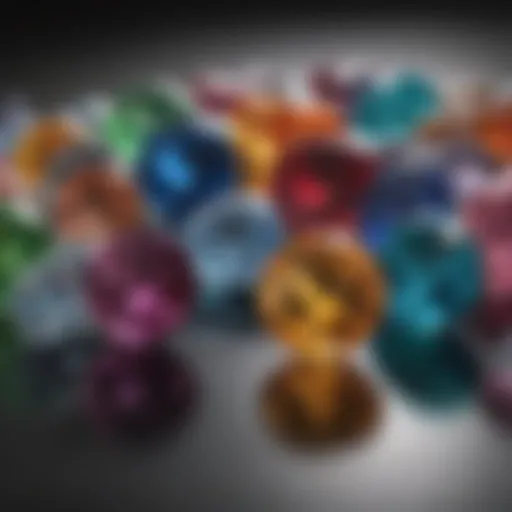
Amongst the world’s vast gemstone varieties, several stand out. Turquoise is celebrated for its vibrant hues, while amethyst captivates with its royal purple. Each stone has its own story and value, relating back to the cultural significance they carry with time.
Exotic and Rare Gemstones
Many gemstones are rare, often possessing unique attributes that entice collectors. Stones such as painite and red beryl are among the rarest, intriguing not only for their beauty but also for the legends surrounding their origins.
Identifying and Evaluating Gemstones
Identifying genuine gemstones can be a challenging yet rewarding endeavor. Knowing how to evaluate their worth is crucial for collectors and jewelry designers alike.
Factors Affecting Gemstone Value
Several factors influence the value of a gemstone. Origin, carat weight, cut quality, and demand amongst collectors all come into play. For turquoise, the depth of color and matrix patterns can significantly impact its market value.
Techniques for Gemstone Identification
Identification techniques vary, from using simple magnifiers to advanced methods like spectroscopy. The color saturation and texture can often hint at a gemstone's authenticity.
Assessing Gemstone Quality
When assessing a gemstone's quality, clarity, color, and cut are paramount. Turquoise, for instance, is often judged based on its uniformity and richness of color, as these traits elevate its desirability.
Caring for Gemstones
Keeping your gemstones pristine is essential for maintaining their beauty and value.
Cleaning and Storing Gemstones Properly
Proper cleaning often involves mild soap and water, avoiding harsh chemicals that could damage the stone. Turquoise, sensitive to chemicals, requires gentle handling.
Avoiding Common Mistakes in Gemstone Care
Many collectors underestimate the importance of proper storage. Keeping gemstones away from extreme temperatures and humidity can prevent deterioration.
Preservation Tips for Specific Gem Types
In terms of preservation, storing turquoise away from direct sunlight can help maintain its vibrant hue. Conversely, other stones might require different care techniques based on their hardness and composition.
"Caring for your gemstones is just as vital as selecting them; both steps preserve their story and beauty for generations."
As we navigate through this exploration of the dazzling December gemstone, it becomes evident that each facet of turquoise is a meaningful addition to the tapestry of our natural world, intertwining nature, history, and individual expression with every stone.
The Significance of Gemstones
In the grand tapestry of human history, gemstones have woven a vibrant narrative, symbolizing power, beauty, and significance across various cultures and epochs. Their allure goes beyond mere aesthetics; gemstones often embody spiritual meaning, serve as conduits for emotional expression, and manifest human creativity. Their geological marvels and unique compositions yield countless possibilities for appreciation and study.
Understanding the significance of gemstones, especially December's gems, is pivotal for enthusiasts, collectors, and the jewelry design community. These stones are not just minerals; they reflect our relationship with nature, culture, and even technology. They can promote healing, symbolize protection, and even convey status or wealth. In contemporary society, they often serve as meaningful gifts that represent milestones or enduring relationships.
Cultural Perspectives on Gemstones
Gemstones have played pivotal roles in the cultural landscapes of societies around the globe. For instance, the ancient Egyptians considered lapis lazuli a potent symbol of royalty and protection, often found in burial artifacts. Similarly, turquoise has been prominent in Native American cultures, revered for its healing properties and connection to the Earth's spirit.
The multipurpose use of stones illustrates their cultural versatility:
- Symbolism: Each gemstone carries its own lore and significance—think of diamond's representation of eternal love or ruby's fiery embodiment of passion.
- Art and Craft: Cultures often incorporate gemstones into art, enriching their visual language and enhancing their aesthetic value in objects ranging from jewelry to talismans.
- Historical Narratives: They provide storytellers with tangible artifacts; each gemstone encapsulates its story, from its formation in the earth to its significance in human life.


Historical Usage of Gemstones
Historically, the use of gemstones has been well documented, revealing their importance to various civilizations. In ancient Rome, for example, opal was believed to bring harmony and is often associated with the omens of fortune. In the Middle Ages, gemstones were often used in ecclesiastical settings, embodying the divine and displaying the wealth of the Church.
The evolution of gemstone use can be broken down into several key phases:
- Decorative Uses: Early civilizations adorned themselves with gemstones as status symbols, whether in crowns, necklaces, or ceremonial attire.
- Medicinal Beliefs: Many cultures attributed healing properties to gemstones, believing they could cure ailments or balance energies.
- Trade Commodities: As commerce expanded, gemstones became valuable trade items, stimulating economic growth and cultural exchange.
The historical narrative of gemstones exemplifies a profound and complex relationship between humans and the natural world, where these treasures of the earth bridge temporal gaps and invite reflection on our shared journey.
Overview of December's Birthstone
The December birthstone is celebrated for its rich heritage and diverse characteristics. This section provides a comprehensive introduction to the three primary gemstones associated with December: Turquoise, Tanzanite, and Zircon. Each of these stones carries unique stories and charm, making them particularly significant for those born in this winter month.
Understanding December's birthstones offers not just a peek into their physical attributes but also their emotional connections and cultural meanings. They embody various traits, such as wisdom, resilience, and protection, forming bonds between personal identity and the gifts of nature. As a collector or enthusiast, one can appreciate not just the aesthetic beauty of these gemstones but their intricate histories and the geological marvels that shaped them.
Prelude to Turquoise
Turquoise, one of the oldest known gemstones, has created waves in various cultures for centuries. Its striking blue-green hues evoke the essence of tranquility and clarity, reminiscent of clear skies on a fall day. Historically, it has been treasured by Native American tribes, who viewed it as a symbol of wealth, prosperity, and protection. Tied closely with the spiritual realm, turquoise is believed to enhance communication and provide courage.
Physical Properties:
- Color Variations: Ranges from vivid blue to soft green, often marbled with brown or black veins.
- Hardness and Durability: It sits around a 5 to 6 on the Mohs scale, making it softer than many gemstones but still suitable for various jewelry applications.
- Clarity and Transparency: Typically opaque, turquoise showcases a unique texture that adds to its allure.
Its visual appeal, combined with its rich history, makes it a favored choice for artisans and designers alike.
Preface to Tanzanite
Discovered in the late 1960s, Tanzanite is a relatively new but significant addition to the world of gemstones. Found only in Tanzania, this gemstone reflects a remarkable range of hues, often shifting between blue, violet, and sometimes even burgundy when viewed from different angles. Tanzanite's discovery was serendipitous, yet it quickly gained acclaim, particularly for its rarity and the striking brilliance it brings to any piece of jewelry.
Physical Properties:
- Color Complexity: Known for its unique trichroism, which means it shows three different colors based on the angle of light.
- Hardness Scale: Approximately 6 to 7 on the Mohs scale, it is more delicate than turquoise, requiring careful handling.
- Crystal Structure: Forms in a unique monoclinic crystal system, contributing to its uncommon beauty.
Collectors admire Tanzanite not only for its visual impact but also for its connection to the earth's geological complexities.
Prelude to Zircon
Zircon is often overshadowed by its synthetic counterparts, yet it shines with vivid brilliance and a surprisingly rich history. Unlike many gemstones, zircon is known for its remarkable dispersion, giving it more fire than diamonds. It has been used as a gemstone for centuries, often appearing in historic jewelry pieces, earning the nickname the "Oldest Gem on Earth" due to its presence in ancient rocks dating back millions of years.
Physical Properties:
- Refractive Index: With a high refractive index, zircon produces a brilliant sparkle that has captivated gem enthusiasts for generations.
- Color and Clarity: Available in various colors from colorless, blue, to brown and green, zircon can also present in completely transparent forms, ideal for elegant jewelry designs.
- Internal Structures: Features natural inclusions, often called "zircon's fingerprints," which can be useful for gemologists in evaluating authenticity.
Zircon's allure lies in its rich history, remarkable physical traits, and versatility, making it a choice for both traditional and modern collections.
Geological Formation of December Gemstones
Understanding the geological formation of December gemstones sheds light on their uniqueness and allure. Each stone, namely turquoise, tanzanite, and zircon, boasts a distinct origin story rooted deep within the Earth’s crust. By exploring these stories, gemstone enthusiasts and collectors can appreciate not only their beauty but also the natural processes that shaped them. This section examines the intricate processes involved in the formation of these incredible gems, revealing the environmental conditions, mineral interactions, and time needed to create such treasures.
Processes Involved in Turquoise Formation
Turquoise, known for its striking blue-green hues, forms in arid climates, where copper-rich minerals combine with water's soluble components. The intricate dance between these elements gives rise to turquoise over thousands of years. This process generally occurs in specific conditions where:
- Alkaline Waters: The presence of alkaline waters enables the necessary chemical reactions to take place. Water acts as a solvent, leaching copper and aluminum from surrounding rocks.
- Host Rock: Tuffs or volcanic rock often serve as the host environment, allowing the necessary minerals to crystallize and solidify.
- Weathering: Wind, rain, and geological activity contribute to the breakdown of surrounding materials, mobilizing important elements like phosphorus and copper that ultimately crystallize into turquoise.
Due to these specific conditions, finding quality turquoise is no easy task, making it highly coveted among collectors.
Processes in Tanzanite Creation
Tanzanite, a striking blue to violet gemstone, originates from a unique combination of geological phenomena that occurs only in Tanzania. The creation of this gem is tied to specific geological factors:
- Metamorphism: Tanzanite forms within the Earth's crust through the metamorphosis of the mineral zoisite under intense heat and pressure. This leads to color change, resulting from the unique trichroic properties of the mineral.
- Heat and Pressure: The specific conditions needed for tanzanite formation include substantial heat and pressure, typically found near volcanic intrusions where rocks undergo alteration.
- Unique Geology of the Region: The unique geological makeup of the Merelani Hills in Tanzania, inclusive of volcanic activity and mineral-rich deposits, is pivotal for tanzanite's production.
The limited geographical occurrence increases tanzanite's rarity and allure, making it a sought-after gem.
Zircon's Geological History
Zircon is one of the oldest minerals on Earth, with some crystals dating back over 4.4 billion years. Its geological history is significant due to several factors:
- Formation: Zircon typically forms in igneous rocks via the crystallization of magma. As magma cools and solidifies, zircon crystals develop, often evolving through secondary processes over time.
- Survivability: Zircon resists weathering and geological changes, which enables it to persist even when other minerals have eroded away. This enduring nature allows it to be found in sedimentary deposits.
- Radiometric Dating: The zircon's unique properties have made it crucial for understanding the early Earth, as it serves as a record of geological events and conditions from eons ago.
As a pillar of geological study, zircons provide extensive insights into the history of the planet's crust, making them invaluable for scientists and enthusiasts alike.
In sum, the geological formation of December gemstones not only explains how these natural beauties come to be but also emphasizes the complex interplay of environmental factors, mineral characteristics, and time, resulting in gems that tell the story of our planet's history.
Physical and Chemical Properties
Understanding the physical and chemical properties of December's gemstones—turquoise, tanzanite, and zircon—places each unique characteristic into context. Each property not only adds to the allure but also influences practical aspects like wearability, preservation, and use in jewelry design. This section acts as a foundation for any discussion on the gems themselves, revealing why these properties are vital for both enthusiasts and collectors alike.
Characteristics of Turquoise
Color Variations
Turquoise is best known for its captivating color, which ranges from a soft, sky blue to a vibrant greenish hue. These color variations stem from the copper and iron content within the stone. A more profound blue hue usually indicates a higher copper concentration, while the hues leaning towards green arise from iron. The significance of these variations can be seen in the market value and personal preference, as many jewelers and collectors seek the most vivid blue shades for their pieces.
One unique feature of turquoise is its ability to change color when exposed to oils and chemicals, which can bring both charm and challenges. It adds a layer of individuality to each piece, allowing for a personal connection when it comes to jewelry selection. Some consider this a disadvantage; however, it is often embraced as distinctive as each stone tells a story.
Hardness and Durability
When it comes to hardness, turquoise ranges from 5 to 6 on the Mohs scale. Although not the hardest stone, its durability can be sufficient for various jewelry types if cared for properly. The relatively softer nature of turquoise makes it easier to carve and shape, allowing exquisite designs; however, it does require careful maintenance.
One key characteristic, its moderate durability, makes turquoise popular amongst designers. People find it approachable for everyday wear. Yet, the downside is that without proper care, it can easily be scratched. Jewelers will often recommend protecting it from harsh chemicals, as they can compromise its beauty and color.
Clarity and Transparency
Clarity in turquoise varies significantly depending on the stone's source and treatment. Natural turquoise can exhibit a matrix—tiny web-like inclusions—adding depth and character to each gem. This feature contributes to its natural beauty and uniqueness; thus, clarity is not always a disadvantage here.
Generally, highly translucent turquoise is rarer and thus more sought after in the marketplace. Its often opaque nature, however, can deter some collectors. This means that buyers seeking clarity may need to be more selective, focusing on higher-grade specimens that exemplify the vivid blue shades while minimizing the matrix for a cleaner appearance.


Tanzanite's Physical Attributes
Color Complexity
Tanzanite presents a fascinating play of color, primarily blue with intriguing flashes of violet. This complexity arises from the presence of vanadium, which alters its appearance based on the angle of the light. It’s striking how this color complexity can shift—from a deep, royal blue to a lighter, almost lavender hue—making it an excellent choice for a variety of jewelry designs.
This remarkable feature attracts jewelers and customers alike because it offers an ever-changing visual experience. However, the flip side is that this color variance can make tanzanite somewhat difficult to evaluate for its true color quality, which might confuse newcomers to the gemstone world.
Hardness Scale
On the Mohs scale, tanzanite sits around 6 to 7, marking it as better suited for everyday wear than many softer gemstones. Harder than turquoise, it withstands normal wear and tear—an appealing quality for jewelry designers and wearers.
That said, tanzanite’s moderate hardness does mean it can be subject to scratches. Therefore, ensuring it is worn with care is essential. The balance of durability and beauty makes it a compelling choice for earrings, necklaces, and statement pieces.
Crystal Structure
Tanzanite’s unique crystal structure is vital in determining its optical effects and overall allure. Being a member of the zoisite group, it has a distinct trichroism; meaning it displays three different colors when viewed from different angles. This physical quality adds to the excitement of owning tanzanite, making every glimpse an intriguing experience.
Such a structure can enhance its visual complexity, yet it can also complicate cutting and polishing processes. Jewelers must approach it delicately to ensure the stone’s qualities shine through without losing the essence that makes tanzanite so desired.
Zircon's Unique Aspects
Refractive Index
Zircon has a notably high refractive index, around 1.92-1.98, which is close to that of diamonds. This optical property gives zircon an incredible sparkly and brilliance, which is yet another reason collectors and jewellers continue to favor it. The high refractive index also allows for exceptional clarity, making it an ideal choice for engagement rings and other special occasion jewelry.
While this quality positions zircon favorably against its competitors, the enhanced brilliance can lead to some confusion with less experienced buyers mistaking it for diamond. This can easily lead to overpaying when misidentifying stones.
Color and Clarity
Zircon showcases a broad spectrum of colors, including blue, golden yellow, and red. Notably, blue zircon is particularly popular due to its vibrant tone and brilliance. The clarity is also a significant chatting point; high-quality zircon can be completely transparent with no visible inclusions, making them particularly desirable in jewelry designs.
But, excessive clarity can sometimes overshadow the charming character smaller inclusions can bring. Each natural flaw adds backstory—something that avid collectors often appreciate.
Internal Structures
The internal structure of zircon is exceptionally complex. Comprised of zirconium silicate, it reveals fascinating patterns when examined under magnification. This property is a significant advantage when identifying genuine zircon, especially in a marketplace filled with synthetic alternatives.
While unique internal structures express the stone's authenticity, they can detract from the gem's overall clarity and beauty. Collectors weighing these aspects must understand how to balance quality with individual character to make informed purchasing decisions.
Cultural Significance of December Gemstones
The cultural significance of December gemstones stretches far and wide, touching various facets of human life from ancient rituals to modern interpretations. It weaves through history, mythology, and art, influencing both personal identity and collective cultural expressions. Understanding this significance not only enriches our appreciation for these gems but also reveals how they continue to inspire and connect people across generations.
Turquoise in Various Cultures
Symbolism in Ancient Civilizations
Turquoise has been prized for centuries, often regarded as a stone of protection and spiritual growth. Ancient Egyptians utilized this vibrant gem in jewelry and burial masks, believing it provided safety and facilitated communication with the divine. The stone appeared prominently in artifacts from the period, signifying its esteemed value and connection to the gods.
In Native American cultures, turquoise symbolizes harmony and peace, often used in ceremonial items and as a talisman for protection. It’s not merely an accessory but a profound presence in rituals, reinforcing the communal bonds and ancestral connections. This underlying sense of security and spiritual continuity makes turquoise a cherished stone, transcending mere fashion into something sacred.
Modern Interpretations
In contemporary settings, turquoise has shifted from its ancient roots to become a staple in fashion trends and personal adornment. Designers often draw inspiration from its rich hues, pairing it with modern styles that pay homage to its storied past. Turquoise blends well with both casual wear and high-end fashion, appealing to a broad range of tastes.
However, the modern interpretation also brings challenges. As demand increases, concerns have arisen regarding ethical sourcing and authenticity. Buyers must navigate the market carefully to discern genuine turquoise from imitations, impacting its perceived value and significance. The balance between maintaining its traditional roots and evolving in a modern marketplace is a delicate dance, demonstrating how ancient meanings can be reshaped yet remain relevant.
Tanzanite's Cultural Impact
Connections to Modern Trends
Tanzanite, a newcomer in the gemstone world, has rapidly captured attention since its discovery in the late 1960s. Its striking blue-purple hue symbolizes sophistication and luxury, fitting seamlessly into the narratives of modern jewelry. Celebrities donning tanzanite often elevate its status and desirability, making it a popular choice among those seeking elegance.
The connection to contemporary trends has fostered a broader cultural appreciation, positioning tanzanite not just as a gemstone but as a status symbol. However, as it gains popularity, the market faces pressures related to sustainability and ethical mining practices. Consequently, the gemstone's prestige must be weighed against its environmental impact. This tension reflects broader societal shifts towards conscious consumerism, challenging buyers to align personal choices with their values.
Artistic Representations
Tanzanite is increasingly finding a home in art, emerging in creative works that celebrate its stunning color and rarity. Artists explore its qualities in various formats, from paintings to sculptures, embodying the gem's essence and allure. The exploration of tanzanite in artistic expressions highlights its significance beyond mere aesthetics; it becomes a medium for storytelling and cultural dialogue.
The challenge lies in interpreting its vibrant hue in diverse artistic practices, which can sometimes obscure its inherent qualities. Artists face the task of capturing its depth while communicating its cultural importance to audiences who may not yet be familiar with its history. Such artistic endeavors can elevate tanzanite beyond a luxury item, embedding it within the fabric of cultural narratives.
Zircon's Historical Relevance
Role in Trade and Art
Zircon has not only been a decorative stone; it's played a pivotal role in trade throughout history. Once utilized as a significant currency in various ancient cultures, zircon facilitated economic exchanges, weaving it into the very fabric of societal development. Its versatility and adaptability made it a favored choice for artisans creating intricate jewelry, embedding it with both artistic and economic significance.
However, this historical prominence is accompanied by misconceptions. Often confused with diamonds due to its brilliance, zircon's unique properties can be overshadowed. Clarifying its distinct role in trade and art is vital for contemporary understanding, underscoring the necessity of educating collectors on its true value as a historical gem.
Symbolism Through the Ages
Throughout time, zircon has been imbued with various meanings across cultures. In some traditions, it's linked to wisdom and protection, while in others, it serves as a symbol of purity and trust. This multifaceted symbolism contributes to its enduring appeal, making it a favored gift in significant life events such as weddings and anniversaries.
Yet, understanding zircon’s meanings across cultures requires nuanced examination. While it embodies virtues of resilience and trust, consumers should also be aware of the complexities of its symbolism. The modern interpretation should honor historical contexts while redefining its significance for today’s generation.
The cultural tapestry woven by December gemstones showcases their profound impact on humanity. By exploring their rich histories and modern-day interpretations, we immerse ourselves in a narrative that transcends mere decoration—asserting a deeper connection to our shared heritage and future.
Identification and Evaluation
Identifying and evaluating gemstones is an essential focus in understanding December's birthstones. The precise identification helps enthusiasts not only appreciate but also value the different attributes of these gems. It allows collectors, jewelers, and designers to make informed choices when sourcing and selecting gemstones for their creations. Evaluating the quality of stones also plays a part in understanding their historical and cultural significance. When consumers know what to look for, they can be certain they are investing in genuine stones that reflect their true character.
Furthermore, proper identification can guard against the ever-present risk of counterfeit stones, a concern that has grown alongside the popularity of rare gemstones. Without thorough evaluation, one might end up with a beautifully crafted piece of jewelry that does not hold the value or story they believe it does.
Methods for Identifying Turquoise
Identifying turquoise can be a bit of an art and a science combined. This lovely stone's distinct blue to green hues set it apart, but one must also consider texture and toughness. A genuine turquoise piece will feel cool to the touch and exhibit a waxy luster. It should not be overly polished, as this can indicate a dyed or treated specimen.
Several methods can aid in recognizing genuine turquoise:


- Visual Inspection: Look for the characteristic blue-green color; a consistent hue is often a good sign of authenticity. The color should not be overly uniform, as natural stones carry unique variations.
- Scratch Test: Boasting a hardness of approximately 5 to 6 on the Mohs scale, true turquoise can be scratched by harder materials. Careful scraping with a knife on an inconspicuous area can help confirm its identity.
- Acid Test: A drop of vinegar or lemon juice can serve as a test; a genuine turquoise will not effervesce, while many fakes, often made from materials like calcite or howlite, will react.
These methods combined can provide clarity when identifying turquoise, ensuring you cherish what you genuinely deserve in your collection.
Tanzanite Evaluation Techniques
Evaluating tanzanite requires a nuanced understanding of its unique attributes. The gem's rich violet-blue hues can exhibit dramatic differences depending on the angle of light and the position of the viewer. Thus, it is vital to scrutinize the stone from multiple angles to truly appreciate its color dynamics.
Key evaluation techniques include:
- Color Grading: Tanzanite is assessed on a color scale ranging from pale violet-blue to deep blue-violet. The more intense the color, the higher the gem's value. A vivid blue with secondary purple nuances tends to be sought after.
- Clarity Examination: Natural inclusions or blemishes can impact the stone’s value. Assessing under magnification, identify the type and location of inclusions; fewer inclusions correlate with higher quality.
- Cut and Shape: The way a tanzanite is cut influences its brilliance and overall appearance. Optimal cuts enhance color saturation and allow for an appealing sparkle.
Utilizing these evaluation techniques ensures you gain the most accurate understanding of tanzanite's worth, both financially and aesthetically.
Assessing Zircon Quality
Zircon is often misidentified with cubic zirconia but stands apart with its unique beauty and properties. Assessing zircon quality involves multiple aspects that collectively influence its valuation in the gemstone market.
Consider the following quality assessment elements:
- Fire and Brilliance: Zircon exhibits superior brilliance due to its high refractive index. Check the sparkle and dispersion compared to other stones; a high-quality zircon will shine more vividly.
- Color Intensity and Clarity: Zircon comes in various colors. Assess color intensity and find a balance between depth and saturation, with clear stones typically achieving higher prices. Inclusions should be minimal, influencing overall appeal.
- Shape and Cut Quality: The cut should ideally maximize the stone's natural fire and brilliance. Pay attention to symmetry and proportions, as these factors greatly influence the visual impact of the finished piece.
By applying these assessment methods, one can ensure that they appreciate the inherent value within each zircon, guiding purchasing decisions and gem collaborations with greater confidence.
Care and Maintenance of December Gemstones
Taking care of December gemstones—turquoise, tanzanite, and zircon—not only ensures their longevity but also maintains their aesthetic appeal and inherent value. Each gemstone comes with its own set of care requirements that, if adhered to, can highlight their beauty and extend their lifespan significantly. In this section, we'll delve into the specific cleaning practices, preservation techniques, and general maintenance strategies for these stones, providing you with the tools necessary for responsible ownership and stewardship.
Cleaning Turquoise
Turquoise is known for its striking, vibrant colors ranging from deep blue to green. Despite its beauty, it is also relatively porous, which makes it susceptible to damage from dirt and oils, both of which can tarnish its surface over time. Proper cleaning is essential to prevent such degradation. Here are some steps to consider:
- Use gentle methods: Soft cloths and lukewarm water should be your go-to for cleaning. Avoid harsh chemicals, as they can damage the stone.
- Wipe after use: If you wear a turquoise piece frequently, give it a quick wipe with a clean cloth after each wear to remove skin oils and sweat.
- Avoid soaking: Turquoise should never be soaked for long periods as it can absorb water and lead to discoloration or cracking.
Ultimately, a little daily care can go a long way in maintaining the lustrous charm of turquoise jewelry. For extensive cleaning, consider seeking professional services that specialize in gemstone care, as they will have the right tools to handle the job.
Preserving Tanzanite
Tanzanite, with its mesmerizing pleochroism, can change shades when viewed from different angles. However, it is a relatively soft stone, scoring between 6 and 7 on the Mohs scale. This softness makes it vulnerable to scratches and other forms of damage. To preserve tanzanite effectively, keep the following in mind:
- Store separately: When storing your tanzanite jewelry, keep it in a separate compartment or wrapped in soft cloth to prevent scratching against harder stones in your collection.
- Limit exposure to sunlight: Prolonged exposure to direct sunlight might fade its vibrant colors, so it's prudent to keep it in a shaded area when not in use.
- Professional cleaning services: Regularly bring your tanzanite pieces to a jeweler for inspection and cleaning, ensuring they're not developing issues that may be overlooked at home.
By following these steps, you can maximize the longevity of your tanzanite, allowing its beauty to shine through in every wear.
Caring for Zircon
Zircon is often confused with cubic zirconia, but they are vastly different. With its stunning brilliance and range of color, zircon ranks between 6 and 7.5 on the Mohs scale, making it durable but still requiring careful handling. Here we outline some crucial tips for caring for zircon:
- Regular cleaning: Similar to turquoise, zircon should be cleaned with a mild soap and lukewarm water. A soft brush can help in reaching any crevices, especially in intricate settings.
- Avoid high-impact activities: When wearing zircon jewelry, be mindful of activities that may lead to impact, such as sports or work where you handle tools regularly.
- Check settings periodically: Downtime can sometimes lead to loose settings. Regularly inspect your jewelry to ensure that the stones are securely set. If you notice any issues, seek a jeweler’s expertise right away.
In short, taking the time to care for your zircon pieces helps retain their stunning luster and brilliance over the years.
"The life of your gemstone jewelry is directly related to the care you give it; true beauty shines brightest when it's properly looked after."
Through these care practices, gemstone enthusiasts and collectors alike can enjoy their December stones in their full splendor, passing them down through generations while maintaining their value and beauty.
Contemporary Uses of December Gemstones
December gemstones hold significant sway in contemporary culture, primarily in fashion and design. Their captivating colors and unique characteristics make them not just pretty accessories but meaningful symbols that enhance personal expression and creativity in various fields. Let us explore how gemstones like turquoise, tanzanite, and zircon have carved out their niche in today's world, showcasing both their aesthetic appeal and cultural value.
Turquoise in Jewelry Design
Turquoise remains a favorite among jewelers and designers, thanks to its rich, vibrant colors ranging from soft sky blue to deep greenish-blue. This gemstone often adorns sterling silver settings, creating a striking contrast that catches the eye. Jewelers use turquoise in different styles, from contemporary earrings to classic necklaces. It also features prominently in Native American jewelry, where it has been celebrated for centuries. The traditional craftsmanship that surrounds turquoise jewelry adds an element of history, allowing modern pieces to retain an air of authenticity.
- Eclectic styles: Designers often craft one-of-a-kind pieces that marry the gemstone with other materials such as leather, wood, or even gold, leading to a fusion of textures and styles.
- Symbolic meaning: As a stone of protection and healing, turquoise pieces are frequently gifted, adding layers of personal significance to the jewelry. It's not just about aesthetics; it tells a story.
Turquoise carries the weight of culture and history, serving as a bridge between past and present in contemporary design.
Tanzanite in Modern Fashion
Tanzanite's striking colors, ranging from deep blues to rich violet tones, have captured the hearts of fashion enthusiasts. Its unique color shifts depending on the angle of light, making it a sought-after choice for statement pieces in modern fashion and accessories. Designers are increasingly incorporating tanzanite into high-fashion collections, often showcasing these stunning stones in one-of-a-kind outfits that dazzle on runways and events.
- Versatile combinations: Whether set in rings, bracelets, or necklaces, tanzanite pairs beautifully with diamonds and sapphires, which has led to its frequent recommendation for cocktail rings and elegant evening wear.
- Celebrity endorsements: Many stars have been seen sporting tanzanite, and this exposure has led to a spike in popularity. As celebrities don these gems, they re-ignite public interest and trend popularity, proving that tanzanite remains a hot item.
Zircon's Versatility
Zircon is widely recognized for its magnetic brilliance and clarity. It can resemble other gemstones, including diamond and topaz, making it a versatile choice for all kinds of jewelry. This adaptability makes zircon a preferred gemstone among designers aiming for affordability without sacrificing quality. It is more than just an alternative; its spectrum of colors ranges from blue to brown, giving rise to numerous options for customization and personal flair.
- Affordability: Due to its relatively low cost compared to more expensive stones, zircon allows designers to create elegant pieces that appeal to a wider audience, ensuring that luxury is accessible.
- Sustainable choices: As interest in ethically sourced products grows, zircon provides a classic option that aligns with consumer desires for sustainable luxury. This is increasingly significant as more buyers aim to support conscious consumption in their purchases.
The contemporary uses of December gemstones extend beyond mere adornment. They hold a tapestry of significance that interweaves history, personal meaning, and forward-thinking design. From captivating jewelry pieces to fashionable statements, the allure of turquoise, tanzanite, and zircon continues to spotlight their importance in the modern world.
Future Trends in Gemstone Industry
As we peer into the horizon of the gemstone industry, it is becoming increasingly apparent that the landscape of gemstone sourcing, evaluation, and consumer preferences is undergoing significant transformation. Understanding these shifts is not just a matter of staying current; it is crucial for gemstone enthusiasts, collectors, jewelry designers, and geology aficionados. By delving into the future trends, we can appreciate the evolving nature of this market and its implications on everything from gem quality to ethical sourcing practices.
Sustainability in Gem Sourcing
With growing concerns about environmental impact and social responsibility, sustainability is taking center stage in gemstone sourcing. More and more buyers are inclined to support brands that adopt eco-friendly practices. This shift is not merely a trend; it represents a fundamental change in consumer values. The importance of ethical practices underscores several key elements:
- Environmental Stewardship: This includes utilizing methods that minimize ecological damage. For instance, some companies are transitioning towards more sustainable mining techniques that reduce land disruption and pollution.
- Social Responsibility: Alongside environmental concerns, there’s a palpable push for fair labor practices within gemstone mines. Transparent supply chains that ensure fair wages and safe working conditions are becoming significant markers of credibility and value.
- Use of Synthetic Gemstones: The advent of high-quality lab-created gemstones offers a sustainable alternative to mined gems. These stones often have the same physical properties as their natural counterparts, but their creation process can circumvent many environmental and ethical issues tied to traditional mining.
"Sustainable gemstone sourcing isn’t just a buzzword anymore; it’s increasingly becoming a prerequisite for consumers who care about the planet and its inhabitants."
This emphasis on sustainability not only resonates with ethical consumers but also encourages gemstone providors to innovate and invest in responsible practices, ultimately leading to a healthier industry philopsophy.
Technology's Role in Gem Evaluation
The rapid advancement of technology is reshaping how gemstones are evaluated, verified, and sold. As technology continues to develop, its application in the gemstone industry is becoming more sophisticated. Here are several ways technology is influencing gemstone evaluation:
- Enhanced Gemological Tools: Modern tools like advanced spectroscopy and laser technologies enable gemologists to accurately identify and assess gemstones with remarkable precision. This technological leap reduces the potential for human error and increases the reliability of evaluations.
- Blockchain for Provenance Tracking: This technology is gaining traction in the gemstone industry. By offering a secure and immutable ledger, blockchain allows consumers to trace the origin of their gemstones. This adds an extra layer of trust, especially for individuals concerned about the source of their gems.
- Virtual and Augmented Reality: Imagine trying on a piece of jewelry virtually, without ever stepping into a store. Retailers are beginning to use augmented reality apps to provide a unique shopping experience. Customers can visualize how a gemstone will look on them before making a purchase, integrating convenience with technology.
The synergy of these technologies not only enhances consumer experience but also elevates the standards of the industry as a whole. As consumers become more tech-savvy, their expectations for transparency and accuracy will only continue to rise.
In summary, the trends of sustainability and technological advancement in the gemstone industry herald a new era. For enthusiasts, collectors, and designers alike, these developments present both challenges and opportunities in navigating their gemstone journeys.