Exploring Four Carat Diamond Price Dynamics


Intro
In the world of gemstones, few things command attention and respect quite like diamonds, especially those of four carats or more. For enthusiasts and collectors, understanding what drives the value of these gems is crucial. Often perceived merely as shimmering objects of luxury, four carat diamonds possess layers of complexity far beyond their visual appeal. Factors ranging from the diamond’s cut to its clarity, as well as market trends and historical pricing, weave together to create a vibrant and sometimes volatile tapestry of value. This exploration into the price dynamics unravels those intricacies, equipping potential buyers with knowledge to make informed decisions.
Overview of Gemstones and Minerals
History of Gemstone and Mineral Use
Gemstones have captivated human society for millennia. From the ancient Egyptians, who embedded them into their tombs for the afterlife, to modern jewelry designers, these stones have played significant roles in culture and economics. Notably, diamonds were once seen as talismans of invincibility in the Indian subcontinent, often used in warfare. When the diamond trade expanded globally in the 19th century, its perception shifted toward a status symbol marketed through love and commitment. This transition illustrates that gemstones have always been more than mere stones; they represent beauty, value, and emotion.
Significance in Culture and Society
The societal value of gemstones cannot be understated. Diamonds, in particular, play a central role in engagements and weddings. The term "diamond rings" evokes images not just of material worth but emotional investment and personal commitment. Additionally, gemstones often symbolize social status and wealth. However, they can also carry spiritual significance—in many cultures, stones like sapphires and emeralds are believed to possess healing properties.
Gemstone Formation and Properties
Formation Process of Gemstones
The journey of a diamond from deep within the Earth to a sparkling centerpiece on a ring is nothing short of fascinating. Diamonds form under extreme pressure and temperature conditions, usually around 160 kilometers beneath the Earth's surface. This process takes approximately one to three billion years, speaking volumes about the rarity and value of these gems. Understanding this formation process is critical in comprehending why larger, high-quality four carat diamonds are so highly sought after.
Properties that Define Gemstones
Each gemstone, including diamonds, has a specific set of properties that determine its value:
- Hardness: Diamonds score a perfect 10 on the Mohs hardness scale, making them the hardest known natural material.
- Color: The color of a diamond is a defining factor in its value. A colorless diamond generally commands a higher price than those with noticeable hues.
- Clarity: Flaws and inclusions can diminish a diamond's beauty and value. The fewer the imperfections, the greater the gem's worth.
- Cut: A diamond’s cut influences its brilliance. Unlike the physical properties, the cut can be manipulated by human hands, making it both an art and a science.
Classification based on Color, Hardness, and Luster
Diamonds can be classified based on color, with the GIA grading scale serving as an industry standard. From D (colorless) to Z (light yellow or brown), color significantly impacts price. Hardness remains consistent, but luster can change based on the diamond's cut and finish.
Identifying and Evaluating Gemstones
Factors Affecting Gemstone Value
When navigating the world of four carat diamonds, several factors need consideration:
- Certification: Certificates from reputed gemological laboratories like GIA or AGS can affirm a diamond's quality.
- Market Trends: The demand for diamonds can fluctuate based on economic conditions and social trends, affecting price.
Techniques for Gemstone Identification
- Visual Inspection: A skilled jeweler often starts with visual checks for color, clarity, and brilliance.
- Loupe Examination: Using a loupe (a small magnifying glass) helps in spotting inclusions and assessing cut quality.
- Spectroscopy: Some professionals use light spectroscopy to analyze the diamond's characteristics more deeply.
Assessing Gemstone Quality
Quality assessment entails a combination of subjective and objective factors. Experienced gemologists can discern minute variations that affect overall value. Awareness of market demands also plays an important role in understanding a gem’s worth.
Caring for Gemstones
Cleaning and Storing Gemstones Properly
Proper care of four carat diamonds is essential to maintain their brilliance. To clean, warm soapy water and a soft brush usually do the trick. Avoid harsh chemicals like bleach, as they can damage the stone and its surrounding settings.
Avoiding Common Mistakes in Gemstone Care
Among the common pitfalls, one that stands out is neglecting to remove rings before engaging in activities that may cause scratches or damage. Always store diamonds in soft cloth pouches or separate compartments to avoid scratches from other gems or hard objects.
Preservation Tips for Specific Gem Types
- For colored gemstones, avoid prolonged exposure to sunlight, as it may fade their hue.
- For softer stones like opals, avoid ultrasonic cleaners that can cause cracking.
The world of four carat diamonds is not just about aesthetics; it’s an intricate dance of science, history, and economics. Understanding these nuances will empower buyers to make educated choices in their diamond journey.
For further reading, check out the following resources:
Prelude to Four Carat Diamonds
The allure of diamonds has captivated countless generations, but when it comes to four carat diamonds, the fascination deepens. These sizable gems are not just a statement of wealth but also signify a blend of beauty, rarity, and craftsmanship. Understanding the nuances of this category is crucial for anyone interested in making informed purchases or investments in fine jewelry.
Four carat diamonds occupy a unique position in the gemstone market. They bridge the gap between the everyday sparkle of smaller stones and the extravagant presence of significantly larger ones. Collectors and enthusiasts alike often find themselves drawn to this weight class for its ideal combination of visibility and value. Yet the complexities surrounding their pricing necessitate a dive deep into the various attributes that influence their worth.
When assessing a diamond’s price, it's more than just size that plays a role. Factors like cut, color, clarity, and market demand intricately weave together to form a diamond's overall value. Each aspect holds substantial weight, and understanding them equips buyers with the necessary knowledge to navigate this intricate field with confidence. Failing to comprehend these elements can lead to overspending or dissatisfaction. It's essential to appreciate these dynamics to enhance one's purchasing experience.
Thus, the journey into the realm of four carat diamonds starts here – recognizing their uniqueness and understanding the foundational principles that dictate their price. With this understanding in hand, enthusiasts, collectors, and jewelry designers can more adeptly evaluate and choose the diamonds that resonate with their aesthetic and investment goals.
"The beauty of a diamond is not just in its sparkle, but in the story and value it conveys."


What Makes a Four Carat Diamond Unique?
Four carat diamonds are prized not just for their size but also for the quality and character they possess. A four carat diamond tends to catch the light in a way that smaller stones simply cannot. The sheer presence of such a stone can transform a piece of jewelry into a conversation starter. But what exactly differentiates a four carat diamond from its smaller counterparts?
One significant factor is the scale of craftsmanship involved. As the carat weight increases, the precision required for cutting becomes more critical. A poorly cut larger stone may lack brilliance, dimming its attractiveness. In contrast, a well-executed four carat diamond will exhibit stunning scintillation and fire, making it a focal point of any jewelry design.
Moreover, rarity plays a key role in setting four carat diamonds apart. The larger the diamond, the fewer options available on the market. This limited supply enhances their desirability, influencing market dynamics significantly. Buyers often seek such stones not only for their beauty but also for their investment potential, adding another layer to their uniqueness.
History of Four Carat Diamonds in Jewelry
The journey of four carat diamonds within the realm of jewelry design is rich and varied. Historically, large diamonds have always been a status symbol, adorning the crowns of royalty and the necks of the elite. As time progressed, the appeal of these larger stones trickled down to a broader audience, with four carat diamonds representing a threshold of luxury that is both attainable and prestigious.
In the 20th century, advancements in cutting technology revolutionized the diamond industry. Jewelers began to explore and certify diamonds based on the Four Cs: Cut, Color, Clarity, and Carat Weight. As a result, the appreciation for four carat diamonds soared, positioning them as quintessential pieces in significant life events like engagements and anniversaries.
Culturally, four carat diamonds have also seen shifts in symbolism. Initially, they were deemed as symbols of wealth, but over time they have come to symbolize commitment, timelessness, and emotional value. Consumers now seek not just the beauty of the stone, but the emotional connection it represents – further enriching its historical significance in the world of fine jewelry.
As we delve deeper into understanding four carat diamonds, this broad historical context helps to illuminate their current valuation and desirability in the modern marketplace. For insights into pricing trends and market influences, please visit Gemology Institute.
Understanding Diamond Pricing
In the world of gemstones, the price of diamonds, particularly four-carat stones, can fluctuate like leaves in a windy autumn. Understanding how these prices are determined is crucial for anyone looking to invest or select a piece of jewelry that resonates with quality and value. This section will unravel the intricate dynamics shaping diamond pricing. The greater knowledge of pricing not only aids buyers, but also cultivates an appreciation for the artistry and precision behind these awe-inspiring stones.
No two diamonds are alike; their worth can hinge on multiple factors. When a buyer understands the nuances of diamond pricing, they empower themselves, making choices that align with their budgets and expectations. Here are a few key points that exemplify the importance of understanding diamond pricing:
- Transparency: Knowing how diamonds are valued helps in discerning fair pricing from inflated ones.
- Investment Insight: A clear grasp of pricing dynamics aids in recognizing which diamonds hold long-term value.
- Informed Choices: Buyers can confidently select diamonds that meet their preferences of quality and design, reducing buyer's remorse.
Pivotal in the pricing frameworks are the Four Cs: cut, color, clarity, and carat weight. These characteristics, when appropriately understood, unravel the true worth of a diamond, whether during purchase or evaluation.
The Four Cs: Cut, Color, Clarity, Carat
When examining a four-carat diamond, the Four Cs become the cornerstone of understanding its quality and price. Let’s dissect these essential elements:
- Cut: The cut of a diamond refers to how well it has been shaped and polished. Not only does this affect how light interacts with the stone, but it also influences its brilliance and sparkle. A well-cut diamond will appear more vibrant and may command a higher price.
- Color: Diamonds come in various hues, from colorless to shades of yellow or brown. The GIA scale ranges from D (colorless) to Z (light yellow). A diamond that is closer to colorless is typically more valuable, as it is rarer.
- Clarity: This aspect refers to the presence of inclusions or blemishes in a diamond. The clarity grades range from Flawless to Included. Diamonds with higher clarity are sought after and therefore they impact the price considerably.
- Carat: The weight of the diamond plays a part in its overall value; however, the price per carat tends to skyrocket as the weight increases. This phenomenon is less about the size itself and more about the rarity of larger stones.
Understanding these Four Cs enables buyers to see past the surface and evaluate diamonds based on their true worth.
Market Influences on Diamond Prices
The diamond market operates much like a finely tuned clock, influenced by multiple external factors that can swing prices from sky-high to bargain basement. To make sense of pricing, it’s essential to consider these market influences:
- Supply and Demand: Seasonal trends can affect demand, with certain periods seeing spikes, like pre-wedding seasons or holidays. An increased demand during these times can lead to longer waiting times and thus higher prices.
- Economic Climate: The overall economic environment plays a crucial role. In times of recession, consumers may tighten their belts and luxury items like diamonds may see a decrease in demand, subsequently lowering prices.
- Global Events: Events like natural disasters and political unrest in diamond-producing countries can disrupt supply chains, thereby increasing prices due to scarcity.
- Celebrity Influence: Often, celebrity endorsements or trends can shift consumer preferences towards certain styles or sizes, impacting pricing. When a high-profile figure is seen donning a particular diamond style, demand can surge almost overnight.
For gemstone enthusiasts, recognizing these variables may provide you with an edge in understanding when to buy or invest in diamonds.
Cut Quality and Its Impact on Price
When it comes to four carat diamonds, the cut quality stands out as a pivotal factor influencing not just the price but also the overall appeal of the stone. The cut refers to how well the diamond has been shaped and finished, and it plays an indispensable role in how the diamond interacts with light, which ultimately impacts its brilliance and fire. A poorly cut diamond can appear dull and lifeless, while an expertly cut stone can dazzle and show off its true beauty. For any discerning buyer or jewelry designer, understanding cut quality can mean the difference between making a worthwhile investment or a regrettable purchase.
The significance of cut quality transcends mere aesthetics; it is tied to the diamond's market value and long-term worth. High-quality cut diamonds not only command higher prices but also tend to retain their value better over time. This fact makes it essential for buyers to consider cut as a top priority when evaluating potential purchases of four carat diamonds.
Different Cuts Available for Diamonds
A variety of cuts exist, each with its distinct appeal and advantages:
- Round Brilliant: This is arguably the most popular shape, designed to maximize light reflection. Its 58 facets create a dazzling sparkle that tends to capture the eye.
- Princess Cut: Known for its contemporary appeal, this cut combines square shape with brilliant facets. It offers a unique blend of elegance and modern style.
- Emerald Cut: This cut is recognized by its step-cut facets and rectangular shape, exuding a more sophisticated allure. Its focus is on clarity rather than brilliance.
- Asscher Cut: Similar to the emerald but square, the Asscher cut features cropped corners and is known for its vintage charm.
- Radiant Cut: A hybrid of the round and emerald cuts, the radiant cut has a lot of facets, which enhance both its brightness and fiery look.
Each of these cuts has its specific market demand and pricing dynamics. Understanding these nuances helps buyers appreciate what they are investing in, beyond just carat weight.
How Cut Affects Perceived Brilliance
The way light travels through a diamond is heavily dictated by its cut. Properly cut diamonds act like prisms, scattering light into captivating colors and reflections. A well-cut diamond will reflect light through the top of the stone, maximizing sparkle and brilliance.
"The cut determines how a diamond's beauty is showcased, and it truly elevates the whole experience of owning and wearing one."
Conversely, if a diamond is poorly cut, light leakage occurs, leading to a dull appearance that fails to impress. This leads directly to the considerations a buyer must make—often contributing to a cut's influence on pricing.
Furthermore, cuts significantly impact the perceived size of the diamond. An ideal cut can make a four carat diamond seem larger and more impressive, enhancing its visual appeal. This psychological aspect plays into purchasing decisions, where buyers often equate visible size with value.
For those venturing into investment, a beautifully cut diamond can not only be a marvel to behold, but it also stands as a solid economic asset. Thus, understanding the quality of a cut and its impact on pricing will equip any potential buyer with the knowledge needed to make informed, confident decisions.
Color Grading and Its Role in Pricing
Color grading is a key factor that significantly influences the pricing of four carat diamonds. Understanding the nuances of color grading not only enables buyers to make more informed choices but also helps in grasping the broader market dynamics affecting diamond values. Grading assesses the degree to which a diamond is free from color, impacting both its beauty and worth.
Notably, diamonds are valued on a scale ranging from D (colorless) to Z (light yellow or brown). The closer a diamond is to the D grade, the more desirable and valuable it tends to be. This means that a four carat D-colored diamond could fetch a considerably higher price than a comparable stone with a K or M grade simply due to its clarity of color. This color spectrum serves as a foundation for buyers, guiding decisions that could result in significant financial implications.
Another aspect to consider is that color, much like a person’s mood, can influence overall perception and desirability. When a diamond's color reaches the lower end of the grading scale, it not only appears less brilliant but also reflects the potential for noticeable warmth or tint. The consequence of this is twofold: 1) it may lead potential buyers to shy away due to aesthetics and 2) it greatly diminishes the diamond's market value. Hence, understanding grading can help lovers of gems see the bigger picture in terms of investment as well.
Understanding the Color Grading Scale
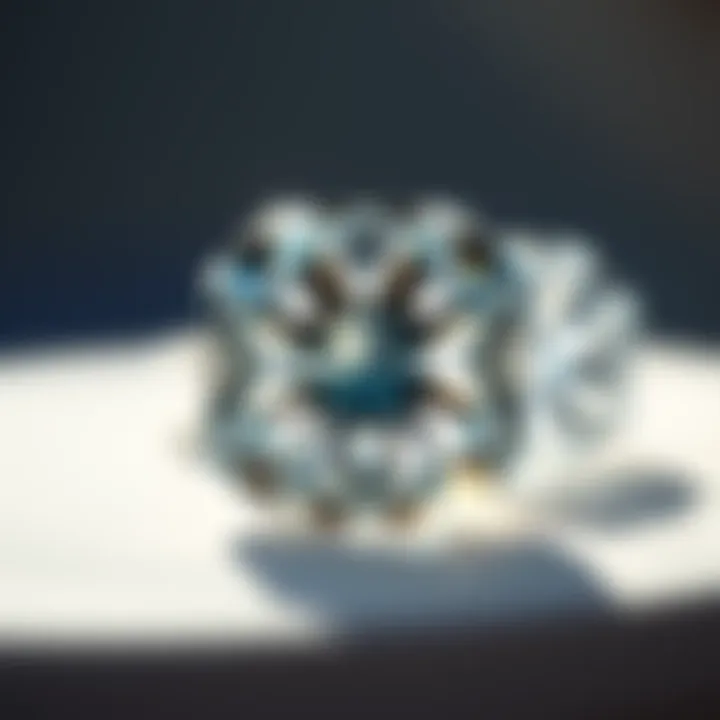
To navigate the world of diamond pricing, one must first grasp the color grading scale. This scale, adopted by the Gemological Institute of America (GIA), categorizes diamonds based on the presence and intensity of color. The grades are as follows:
- D: Colorless
- E: Colorless
- F: Colorless
- G: Near Colorless
- H: Near Colorless
- I: Near Colorless
- J: Faint
- K: Faint
- L: Light Yellow
- M: Light Yellow through to Z
Each increment in grading can amount to a difference of thousands of dollars. For instance, a D color grade may command a premium over an H colored stone of an identical carat weight and cut. Buyers should also note that diamonds within the "near colorless" classification (G-H) often represent a sweet spot between value and appearance, offering a balance that could suit budget-conscious collectors without significant visual compromises.
Effects of Color on Rarity and Value
Color has a profound effect on both the rarity and overall value of diamonds. The beauty of a diamond, combined with how it interacts with light, factors heavily into its desirability. Rarer colors, such as blue or pink, originate from unique origins and chemical composition, consequently elevating their market value sharply when compared with conventional clear diamonds. For instance:
- Fancy Yellow: While they may not be as coveted as colorless diamonds, yellow diamonds can still command strong prices, especially if they display a vivid hue.
- Fancy Pink: Among the rarest, these stones are often considered a great investment, with prices skyrocketing in the auction market.
"A diamonds worth can often be understood by its natural beauty, which stems deeply from its color."
For additional insights on diamond grading, visit the renowned Gemological Institute of America GIA or relevant educational sources on gemstones linked at wikipedia.org.
Embracing this knowledge equips you better for both purchasing and appraising diamonds in any market scenario.
Clarity: The Hidden Factor
Clarity plays a vital role in the overall quality and value of diamonds, yet it is often overshadowed by more prominent characteristics like carat weight or cut. In essence, clarity refers to the absence of internal or external imperfections that may affect the stone’s visual appeal. These imperfections—commonly known as inclusions and blemishes—can significantly influence a diamond's desirability and, subsequently, its price. Understanding clarity is crucial for discerning buyers who wish to make informed decisions in the diamond market.
One major aspect of clarity is that even the most beautiful diamond can lose its charm if it exhibits too many flaws. Customers might gravitate towards larger stones, but a lower clarity grade can detract from the gemstone's brilliance. The highest-grade diamonds—considered flawless—are prized not only for their beauty but for their rarity. Therefore, clarity serves as a hidden factor in evaluating the true value of a diamond.
An important point to note here is that clarity should not be evaluated in isolation. It interacts with other factors such as cut, color, and carat weight. Buyers must consider how these elements align with their expectations and preferences. Potential jewelry owners or collectors should not skip over clarity when assessing diamonds; it is a crucial piece of the puzzle when gauging overall quality and investment potential.
Clarity Grading System Explained
The grading of clarity is systematic and relies on a well-defined scale, classifying diamonds based on the visibility of inclusions and blemishes. The Gemological Institute of America (GIA) developed one of the most recognized clarity grading systems, comprising several categories.
Here is an outline of the GIA clarity scale:
- Flawless (FL): No inclusions or blemishes visible under 10x magnification.
- Internally Flawless (IF): No inclusions, only minor surface blemishes.
- Very Very Slightly Included (VVS1 and VVS2): Minute inclusions that are difficult to detect for a skilled grader.
- Very Slightly Included (VS1 and VS2): Minor inclusions that are somewhat easy to spot under 10x magnification.
- Slightly Included (SI1 and SI2): Inclusions are noticeable under 10x magnification and may be visible to the naked eye.
- Included (I1, I2, and I3): Inclusions that are noticeable to the naked eye and may affect transparency and brilliance.
This system helps standardize clarity evaluations, enabling consumers to compare diamonds on an equivalent basis. However, it's worth noting that clarity grades can be subjective and may differ between grading laboratories. When evaluating clarity, it's essential to consider the grading lab's reputation as it can impact perceived value. While two diamonds might have the same grade, subtle differences can lead to significant pricing discrepancies.
Impacts of Clarity on Price and Valuation
When it comes to diamond pricing, clarity is intertwined with demand and perceived value. Simply put, the clearer the diamond, the higher the price tag usually is. The rarity associated with higher clarity grades elevates their market value as collectors often seek stones that stand apart from the rest. Investors and enthusiasts alike regard diamonds with high clarity as promising assets.
Some key impacts of clarity on price include:
- Rarity and Market Demand: Higher clarity diamonds are less common, making them more desirable and commanding higher prices.
- Aesthetic Appeal: Diamonds with fewer flaws offer superior brilliance and visual appeal, making them more sought after in jewelry design.
- Resale Value: Clarity often influences the resale market; higher clarity diamonds tend to retain value better than lower clarity counterparts.
- Consumer Psychology: Shoppers often associate high clarity with luxury. Thus, even minor flaws can result in a price erosion for those stones perceived as lesser in quality.
In summary, clarity serves as a fundamental pillar in discerning diamond pricing. By grasping how clarity affects valuation, potential buyers and collectors can make better decisions that align with their aesthetic preferences and investment strategies. Understanding the nuances of clarity provides insight that goes beyond surface-level assessments, helping consumers navigate the complex world of diamond purchasing.
Carat Weight Considerations
Carat weight remains one of the primary factors influencing the pricing of four carat diamonds. Understanding how carat weight plays into both the market and the personal valuation of diamonds is essential for anyone in the gemstone business. It's akin to setting the foundation of a house; it dictates not only the aesthetics but the longevity and eventual value of the overall structure.
How Carat Weight Is Determined
Carat weight refers specifically to the measurement of a diamond's mass. One carat is equal to 200 milligrams. Yet determining carat weight involves more than just a straightforward weighing. The diamond's cut, its shape, and even its depth can affect its perceived size and, ultimately, its worth.
- Shape: Different shapes can influence how light interacts with the stone, affecting its overall visual impact. For example, a round brilliant cut diamond may appear larger than a princess cut of the same carat weight due to its proportions.
- Cut Depth: A diamond that is cut too deep or too shallow might not only lose some brilliance but can also look smaller than its actual weight.
- Dimensions: The size of the diamond is not typically indicated by weight alone. The length, width, and depth need to be taken into account to accurately gauge how the carat weight translates into physical dimensions.
Getting the right carat weight is somewhat like finding the sweet spot in a recipe—the right balance can make all the difference in presentation as well as valuation.
Price Escalation with Increased Carat Weight
When it comes to diamonds, prices do not increase linearly with carat weight. Each additional carat can incrementally elevate the price. For example, while a one carat diamond may cost a certain amount, a two carat diamond can often cost significantly more, even as much as double or triple the one carat price. This escalated pricing curve is a key concept for potential buyers to grasp.
- Rarity: Larger diamonds are rare, and their uniqueness greatly increases their market value. As the weight increases, the availability of diamonds fitting specific color, clarity, and cut traits decreases, leading to higher prices.
- Consumer Perception: There is a psychological factor at play as well. Many consumers associate size with quality, and thus larger diamonds can command higher prices simply due to their appeal in the minds of buyers.
- Market Demand: The demand for larger stones can influence the market, drawing high prices as buyers are often willing to pay a premium for a four carat diamond that meets their desired specifications.
"In the world of diamonds, every carat counts, but what truly matters is the artistry and details beyond just weight that truly define its value."
In summary, understanding carat weight and its implications on pricing helps buyers make informed decisions. Whether you look at it as an investment or a piece for personal adornment, the nuances around carat weight adds an important layer of thoughtfulness to the entire buying experience.
Current Trends in Diamond Pricing
Understanding the current trends in diamond pricing is paramount for anyone looking to make well-informed choices, particularly in the niche of four carat diamonds. As the gemstone market evolves, various elements come into play that influence pricing. Recognizing these factors provides valuable insight, equipping buyers with the knowledge necessary to navigate investments wisely. The trends can reveal more than just costs; they tell a story about consumer preferences, economic shifts, and emerging market dynamics.
Market Movements in the Jewelry Sector
The jewelry market is often a mirror reflecting broader economic conditions. Right now, we're seeing some fascinating movements. For starters, there's been a surge in demand for ethically sourced and lab-grown diamonds. This shift is reshaping how consumers view value. Many buyers nowadays are motivated by social and environmental considerations, which has driven prices for ethically sourced gems upwards. Meanwhile, traditional mined diamonds hold value, but their allure is increasingly challenged by these lab alternatives.
Another essential factor is the seasonal fluctuations in demand. Wedding seasons or the upcoming holidays can spark a surge in diamond purchases, leading to temporary spikes in pricing. Additionally, with an increasing number of people documenting their purchases online, trends can explode overnight, instantly changing valuations.


- Ethical Sourcing: Consumers are diving deeper into the origins of their purchases. If it's not ethically sourced, it could be a deal breaker.
- Seasonality: Prices might rise during certain seasons due to increased demand, making timing crucial for buyers.
- Social Media Influences: Online platforms rapidly shift trends, reflecting what’s in style right now.
Influence of Economic Factors on Demand
Economic factors are the backbone of diamond pricing. A stuttering economy, marked by high inflation or unemployment, tends to dampen luxury purchases. Conversely, a strong economy provides consumers with more disposable income, which generally drives demand higher for luxury items like diamonds. Recent economic recovery efforts linked to various global markets have seen an uptick in jewelry sales, proving that diamond buyers are quite sensitive to economic changes.
The nature of interest rates also plays a significant role. Low-interest rates make financing more accessible, encouraging purchases of higher-value items. Thus, potential diamond buyers might feel more inclined to invest at these times. In addition, ongoing trade policies and tariffs can affect the supply chain. For instance, tariffs on imports can lead to increased costs for retailers, who often pass these costs onto consumers.
Furthermore, demographic shifts cannot be ignored. As millennials and Gen Z increasingly enter the luxury market, their buying power changes the landscape. This new generation often favors transparency and emotive connections, thus shifting the focus of marketing strategies.
"Understanding these economic nuances can help buyers not only predict pricing but make smarter decisions when purchasing four carat diamonds."
By examining these variables in the established market, consumers can have a clearer picture of what influences the prices of diamonds. Recognizing the trends in both the jewelry sector and the broader economic climate can facilitate more strategic buying decisions.
Comparison of Four Carat Diamonds Across Different Vendors
When on the hunt for a four carat diamond, understanding the landscape of different vendors becomes crucial. It’s not just about finding a shiny rock; it’s about knowing where to spend your hard-earned money wisely. This section unpacks the importance of comparing four carat diamonds across various sources, presenting not only price but also insights into the quality and service provided.
Price Variances Among Retailers
The fluctuation in prices among retailers can be remarkable. You might find the same diamond being offered at wildly different prices, and it’s not merely chance. Factors influencing these variances include:
- Location of the retailer can greatly affect pricing due to overhead costs or local market conditions.
- Reputation and brand strength play a role; some stores may charge a premium for their established name.
- Sales tactics used by different retailers can influence perceived value.
When comparing, buyers should compile a list of potential vendors and their offerings. This can include online platforms and brick-and-mortar stores. Be sure to check prices from established names like James Allen and Blue Nile, to smaller, local jewelers. Such research can save a shopper a bundle.
Another often-overlooked aspect is the promotions these retailers run. Holidays or special events can showcase significant discounts; however, the key is ensuring quality remains consistent. Remember, a big sale isn’t always a bargain if it compromises the diamond’s integrity.
Role of Certification in Price Differentiation
Certification serves as a pivotal factor when it comes to pricing. Not all diamonds are created equal, and certification can substantiate this truth. A properly certified diamond provides buyers with the peace of mind that they are investing in quality. Certificates are issued by reputable entities such as the Gemological Institute of America (GIA) or the American Gem Society (AGS).
Why does this matter? Well, a certified diamond not only carries a stamp of authenticity, it often commands a higher price due to the trust it garners. Consumers should look for details in the certification like:
- Clarity grade, indicating the presence of inclusions or blemishes.
- Color grade, showing how closely it approaches colorlessness.
- Cut grade, reflecting how well the diamond reflects light.
Lack of certification automatically raises red flags. Always be wary of a vendor who claims the quality of their diamonds without presenting a reputable certification. A diamond without certification can be like a ship without a sail; it might drift aimlessly, leaving you questioning its true value.
“Investing in a certified diamond is akin to buying a watch with a warranty—one can be assured it’s worth what the price tag claims.”
Thus, as you navigate the myriad choices among diamond vendors, keeping an eye on certification will serve you well. It helps standardize the value and assures that the price you pay reflects true quality. By combining knowledge of pricing variances with a thorough understanding of certification, buyers can make informed decisions that resonate with both their desires and their budgets.
Long-Term Value and Investment Potential
When talking about four carat diamonds, it's crucial to understand their long-term value and investment potential. These gemstones are not just trinkets; they represent both aesthetic beauty and financial worth. As global markets fluctuate and consumer behavior shifts, the diamond market exhibits trends that are vital for buyers and collectors to comprehend. Understanding the intrinsic value of these diamonds can guide savvy consumers in making investments that hold up over time.
Diamonds as an Asset Class
Diamonds, particularly four carat stones, are increasingly valued as an asset class in their own right. It’s not merely about having a shiny rock; diamonds are tangible assets that can appreciate in value. Unlike many investment portfolios that are fragile and subjected to whims of stock prices, diamonds offer a certain stability.
Several aspects contribute to diamonds being considered suitable for investment:
- Scarcity: Four carat diamonds are not as commonly found as smaller stones, which inherently increases their value over time.
- Market Demand: The demand for high-quality diamonds remains robust, influenced by cultural significance and the perception of luxury. As luxury consumption increases globally, so does the value of high-carat diamonds.
- Physical Asset: Unlike digital investments, a diamond is a physical item. It can be held, worn, and appreciated in personal settings, which adds to its allure.
Investing in diamonds can vary in complexity. While some may choose to acquire a single, high-quality stone, others might consider a collection. Both strategies can yield significant returns if executed wisely.
What Factors Enhance Resale Value?
To maximize resale value, it’s essential to feature certain qualities and understand the conditions that can enhance the diamond's worth:
- Certification: A diamond that's graded by a reputable organization (like the GIA) enhances buyer confidence. Credentials can justify higher price points.
- Quality of Four Cs: An optimized blend of cut, color, clarity, and carat significantly impacts resale. For instance, an excellent cut often elevates brilliance and overall appeal, attracting more potential buyers.
- Market Trends: Being aware of current preferences in the jewelry market can guide decisions about which diamonds to invest in. For example, certain color tones or cuts may trend and appreciate faster than others.
- Condition and Appraisal: Keeping the diamond in pristine condition and getting periodic appraisals ensure the stone maintains its market value.
- Brand Recognition: Diamonds associated with well-known jewelry houses, like Tiffany & Co. or Cartier, often retain or appreciate in value more than unknown brands.
A four carat diamond, with the right factors, can become not just a decorative piece but a strategic financial asset. As trends evolve and markets change, being informed can make the difference between a mere purchase and a valuable investment.
"The investment in diamonds speaks not only to emotional connections but also to sound financial planning. The demand is only growing, and wise investors recognize the importance of understanding the landscape of this fascinating market."
With the right knowledge and timing, the allure of four carat diamonds can turn from a simple desire into a prudent long-term investment. It’s essential for buyers to stay educated and aware of both trends and timeless values as they navigate this unique market.
Epilogue: Making Informed Diamond Purchases
Making informed purchases of four carat diamonds is not merely a matter of throwing down cash and hoping you’ve picked a winner. It’s essential to grasp the nuances involved in pricing, quality, and value. In this segment, we will tie together the various elements gleaned from our discussions throughout this article and provide a coherent narrative on why being an informed buyer matters.
Summary of Key Considerations
When it comes to four carat diamonds, there’s more than meets the eye. Here are some pivotal factors to keep in mind:
- The Four Cs: Always return to the basics. The cut, color, clarity, and carat weight are your bedrock when evaluating any diamond. Each 'C' interacts with the others. A beautiful cut can make a lesser color grade look more striking.
- Market Variability: Prices fluctuate based on market demand, economic conditions, and consumer trends. Understanding these dynamics can afford you strategic timing in purchasing.
- Rarity of Features: Some diamonds will have specific characteristics that elevate their value, like exceptional clarity or unique coloration. Familiarize yourself with what makes certain diamonds stand out.
- Resale Potential: As diamonds can also serve as an investment, consider how resale value can be affected by trends and certification. Not all diamonds appreciate equally over time.
- Vendor Reliability: Each seller has their own pricing strategies and policies. Ensuring you’re working with reputable vendors can drastically affect your buying experience.
These highlights end up melding into a wider understanding of the diamond market, where every detail counts towards making a significant investment.
Final Thoughts on Value and Investment
The allure of four carat diamonds goes beyond just their visual allure; they embody an investment that could hold value over time. Here are several crucial points to consider:
- Durability: Diamonds are not only beautiful but also durable. This intrinsic strength positions them as a viable option for both personal adornment and investment.
- Historical Trends: Looking at the past might guide future expectations. Analyzing how four carat diamonds have fared in the market historically may provide insights into their future trajectory.
- Emotional Value: While data drives economic decisions, let's not forget the emotional weight behind diamond buying. Whether for an engagement, anniversary, or other celebrations, a diamond often represents cherished memories, making it worth more than its market value.
- Growing Collector Community: As more individuals turn into collectors, the demand for uniquely featured diamonds increases, potentially escalating their market value.