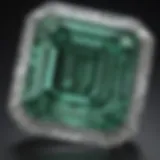
Exploring Jewel Mining: Techniques and Trends


Intro
In the fascinating world of jewel mining, the intricate dance between nature, society, and commerce plays out in multifaceted ways. Gems have held significance throughout history, often reflecting not only the beauty found in Earth’s crust but also humanity's deep-rooted aspirations and values. The exploration of jewel mining isn’t merely about extraction; it is a journey through time, culture, and technology that shapes the modern market. By dissecting strategies, challenges, and market trends within this sector, we can glean a richer understanding of gemstones and their roles in today’s economy, especially amidst the rising demand for ethically sourced options.
Overview of Gemstones and Minerals
A gemstone, simply put, is a piece of mineral crystal that, once cut and polished, becomes a jewel for adornment. However, the narrative surrounding each gemstone is anything but simple. Gems not only dazzle with their physical properties but also carry stories of formation, discovery, and utilization by humans across various eras.
History of Gemstone and Mineral Use
Historically, gemstones have been prized since antiquity, playing vital roles in both trade and culture. Ancient civilizations often associated certain stones with gods or royalty, believing they held magical properties. For instance, the Egyptians revered lapis lazuli while the Chinese placed immense value on jade, seeing it as a symbol of purity and moral integrity. With the passage of time, the purpose of gemstones shifted; they became not just decorative items but also status symbols and investments.
Significance in Culture and Society
Culturally, gems pivot around significant life events, often marking milestones such as births, marriages, or graduations. The birthstone tradition aligns particular stones with specific months, enriching emotional connections individuals have with these gems. For example, sapphire, the birthstone for September, has long been associated with wisdom and royal favor, bridging personal sentiment and historical significance.
Gemstone Formation and Properties
Understanding the formation of gemstones provides insight into why they are so unique. The conditions under which a gem forms are as varied as the stones themselves, influenced by environmental factors like temperature, pressure, and composition.
Formation Process of Gemstones
Gemstones originate from three primary geological processes: igneous, metamorphic, and sedimentary. For instance, diamonds form deep within the Earth's mantle under extreme pressure and temperature, while opals develop in shallow sediments, introducing a variety of colors and patterns.
Some gems, like amethyst, crystallize from volcanic lava, showcasing Mother Nature’s dramatic flair in gemstone creation.
Properties that Define Gemstones
The uniqueness of each gemstone is largely defined by its physical properties: hardness, luster, and color. Hardness, measured by the Mohs scale, determines durability. In terms of luster, diamonds have a famously brilliant shine while jade may exhibit a waxy finish. Color ranges widely; sapphires can be blue, pink, or even yellow based on their composition.
Classification based on Color, Hardness, and Luster
Gemstones are classified into various categories based on these properties. Some are well-known for their vibrant hues, like rubies and emeralds, while others are prized for their rare luster, such as pearls and opals. When evaluating gems, it’s crucial to look at these classifications as they influence the gem’s market value.
Types of Gemstones
The world of gemstones can be categorized into two primary types: precious and semi-precious, each boasting unique allure.
Precious vs. Semi-Precious Gemstones
Historically, the term 'precious' implies rarity and value, traditionally applied to diamonds, sapphires, rubies, and emeralds. In contrast, semi-precious stones like amethysts and garnets, while still beautiful, are typically more accessible. This distinction is subjective and evolving, as market dynamics shift and demand changes.
Common Gemstone Varieties
Some common varieties include:
- Diamond: Renowned for its unmatched brilliance.
- Ruby: Known for its deep red tones and durability.
- Emerald: Famed for its vibrant green color.
- Amethyst: Appreciated for its purple hue and affordability.
Exotic and Rare Gemstones
On the other end of the spectrum lies the exotic. Stones like taaffeite and painite are not only limited in quantity but often capture the imagination of collectors. Their rarity can send prices soaring, making them coveted possessions.
Identifying and Evaluating Gemstones
Identifying gemstones goes beyond just examining their appearance. Factors like clarity, cut, and carat weight weigh heavily on valuation.
Factors Affecting Gemstone Value
When assessing the worth of a gem, consider:
- Clarity: Fewer inclusions lead to higher value.
- Color: Saturation and hue can distinguish a gem’s quality.
- Cut: A well-cut stone maximizes brilliance.
- Carat Weight: Larger gems are rarer and thus, more valuable.
Techniques for Gemstone Identification
Techniques like loupe inspection, refractive index measurement, and specific gravity tests help gemologists determine authenticity and quality. Understanding these methods can empower buyers to make informed decisions.
Assessing Gemstone Quality
An appraisal often requires a trained professional. Factors such as retail market trends and personal connections also play pivotal roles in determining a stone’s worth.
Caring for Gemstones
Caring for gems is paramount to maintaining their beauty and integrity.
Cleaning and Storing Gemstones Properly
Gems should be cleaned with mild soap and water, avoiding harsh chemicals. When storing, it is wise to keep them in soft pouches or lined boxes to prevent scratches and damage.
Avoiding Common Mistakes in Gemstone Care
Avoid exposing gems to extreme temperatures or harsh chemicals. Keeping them away from direct sunlight can also protect their color and integrity.
Preservation Tips for Specific Gem Types
Different gemstones may require special care. For example, pearls should be wiped with a soft cloth after wearing, while more durable stones like diamonds are less prone to damage, but should still be cleaned periodically.
In summary, understanding the complexities of jewel mining and the intricacies of gemstone valuation is essential for enthusiasts and collectors alike. This overview establishes a foundation upon which deeper exploration of mining strategies, environmental impacts, and emerging market trends will build further insights in subsequent sections.
For further readability, you might receive additional resources by exploring sites like American Gem Society, Gemological Institute of America, or Gem Rock Auctions.
Preamble to Jewel Mining
Jewel mining represents a fascinating intersection of nature's artistry and human diligence. It’s not merely about digging into the earth; it involves uncovering an intricate blend of culture, economy, and environmental stewardship. The value of gemstones transcends their physical beauty, weaving narratives of history and prestige that captivate collectors and designers alike.
In today’s global market, the demand for ethically sourced and sustainably mined stones is rising sharply. This change is really understood by knowing the nuances of jewel mining itself. People are becoming more aware of where their gems come from, pushing miners and companies to adopt more responsible practices. It’s essential to grasp how mining methods impact both the gems and the environment around them when discussing the intricacies of this field.
Moreover, understanding jewel mining isn’t just beneficial for those in the industry; it’s a valuable insight for consumers. When buyers learn about the challenges miners face, the types of stones available, and the economic factors influencing prices, they can make educated decisions.
The gemstone trade is layered with complexities that vary from one region to another. Each location offers distinct characteristics—some are celebrated for diamonds, while others might shine with sapphires or emeralds. Recognizing these variations helps in comprehending the global gem market’s interconnectivity.
Lastly, this section sets the stage for deeper exploration into the geological foundations, mining techniques, and the overarching economic context that influence jewel mining today.
Understanding Jewel Mining's Significance
The significance of jewel mining can hardly be overstated. On one hand, there's the cultural importance. People throughout history have adorned themselves with gemstones, from ancient royal families to modern brides, each stone often carrying its own story. This tradition forms a crucial part of many cultural identities around the globe.
Then, consider the economic aspects. Jewel mining provides jobs in regions where opportunities may be sparse. Miners frequently rely on this industry as their sole source of income. Still, they must deal with the challenges that arise from fluctuating market prices and strict regulations, which can lead to economic instability.
Moreover, there’s an environmental thread to this narrative. Jewel mining holds the potential to significantly disturb ecosystems, prompting the need for a balance between extraction practices and long-term ecological health. Striving for sustainable mining should not just be an afterthought; it ought to be central to the industry’s practices.
"In a world where ethical considerations are increasingly paramount, understanding the full spectrum of jewel mining's impact—cultural, economic, and environmental—will shape its future."
In summary, delving into the intricacies of jewel mining is pivotal for both the industry and consumers. It enhances our understanding of the forces at play in the gemstone market, offers insights into ethical practices, and prompts a discussion on sustainability at every level of mining, from the miners to the end-users.
Geological Foundations of Jewel Mining
The geological foundations of jewel mining form the very bedrock upon which the entire industry stands. Understanding the geologic processes that lead to the formation and deposit of gemstones is critical not only for successful mining operations but also for ensuring sustainable practices in this field. By delving into these geological intricacies, we can better appreciate the natural marvels that gems encapsulate and navigate the challenges posed in the quest for precious stones.
Types of Gemstone Deposits
Within the realm of gemstone deposits, variety is the name of the game. Primary and secondary deposits form the two overarching categories of gem sources, each with its own unique characteristics and extraction methods.
- Primary Deposits: These are the original sources of gems, found within the rock from which they were formed. Typically, minerals like diamonds form in mantle rocks called kimberlites. These deposits often require extensive mining operations to reach, given their geological embedding. The extraction process can be likened to peeling an onion, layer by layer, until the coveted gem is unveiled.
- Secondary Deposits: In contrast, secondary deposits are created when primary gemstones weather and erode. Water and wind transport these gems into riverbeds and alluvial plains where they accumulate. Here, they are often more accessible and can be harvested with relatively simple tools, making them more desirable for artisanal miners. A keen eye is essential; spotting a vibrant sapphire in a riverbed is akin to finding a needle in a haystack.


A deeper understanding of these deposits informs mining companies about where best to concentrate their resources, balancing cost efficiency while ensuring minimal environmental disruption.
Formation Processes of Precious Gems
The journey of a gemstone from formation to market is a fascinating saga that entails several geological processes. The formation of gems involves extreme conditions of temperature and pressure over long periods.
- Metamorphic Processes: Certain gemstones, such as garnets and sapphires, arise from metamorphic rocks. Here, subduction zones play a pivotal role in this transformation, as tectonic plates collide, forcing minerals into conditions that pave the way for new gem formation.
- Igneous Formation: Most famously known for diamonds, the igneous processes occur when magma cools and crystallizes beneath the Earth’s surface. This is a slow process, demanding millions of years of geological time. Each diamond becomes a historical artifact, embedded with the Earth’s ancient tale.
- Sedimentary Processes: From limestone to gravel beds, the only requirement for gem formation here is time over a landscape. For instance, opals and pearls famously form in a varying environment that can mix organic materials with minerals.
Understanding these formation processes enhances knowledge about the mineral composition and quality of gems. Miners and gemologists can apply this geological knowledge to determine appropriate extraction methods as well as potential for quality—an emerald from metamorphic rock has different clarity and features compared to one found in sedimentary layers.
"The key to successful jewel mining lies not just in the extraction but in understanding the story behind every stone. It’s a dance between geology and human ingenuity."
By grasping the geological foundations of jewel mining, enthusiasts and stakeholders alike can appreciate the nuanced realities behind their treasures. This understanding not only aids in navigating the market dynamics but also steers the conversation towards responsible and sustainable mining practices.
Mining Techniques and Technologies
The world of jewel mining is a fascinating blend of art and science, where the right techniques and technologies can make all the difference between striking it rich and hitting rock bottom. This section explores the various strategies used in mining, providing insight into traditional and modern practices. Understanding these methodologies holds value not only for those involved in the gemstone trade but also for enthusiasts and collectors who appreciate the journey from mine to market.
Traditional Methods of Gem Mining
For centuries, people have turned to traditional methods of gem mining that are entrenched in cultural practices and local knowledge. These approaches, while often rudimentary, still hold a significant place in the industry. One of the most well-known practices is alluvial mining, where gems are extracted from riverbeds or soil by washing away loose material. This technique, while labor-intensive, is vital in places like the Brazilian Amazon, where the rainforest hides rich deposits of gemstones.
Another common method is artisanal mining, where small-scale miners extract gems from the earth using basic tools. These miners often rely on hand-dug pits or tunnels, working under challenging conditions. Many of them operate without heavy machinery, using simple implements like shovels and picks. The labor is strenuous, but the rewards can be substantial, as seen in the colorful markets of Madagascar, where local miners proudly display their findings.
Though traditional methods might lack the efficiency of modern techniques, they contribute to local economies and preserve cultural heritage. However, these practices can also come with drawbacks. The environmental impacts, such as deforestation and habitat destruction, are often severe. Striking a balance between tradition and sustainability is crucial in scaling these methods to ensure that the land and its people can thrive together.
Modern Mining Innovations
In stark contrast to traditional methods, modern mining innovations are redefining how gemstones are extracted and processed. The advent of advanced technologies has introduced a plethora of benefits, making operations safer, faster, and more efficient. For instance, remote sensing and geographical information systems (GIS) are widely used to identify potential mining sites, greatly reducing the guesswork involved in exploration.
Another game-changer is the use of automated machinery in the mining process. Equipment like diamond wire saws and high-capacity crushers can extract gems with remarkable precision and minimal waste. In places like Australia, these innovations have propelled the mining industry forward, increasing recovery rates and lowering production costs. The combination of efficiency and safety leads to better working conditions for miners, who often have access to training and protective gear.
Additionally, technological innovations extend beyond extraction. Gemological labs equipped with cutting-edge technology help ensure that gemstones are certified for quality and authenticity. By improving traceability, these advancements play a pivotal role in addressing ethical concerns associated with gem mining.
Modern mining innovations also open doors for sustainable practices. These techniques can help mitigate environmental damage, promoting responsible mining that respects both nature and communities. As the demand for ethically sourced gemstones rises, the fusion of technology and sustainability will likely shape the future of the industry. To navigate the evolving landscape, stakeholders must stay informed about these trends and adapt accordingly.
"The transition from traditional to modern methods in jewel mining not only improves efficiency but also enhances the ethical sourcing of gemstones."
Combining techniques both old and new can provide a holistic approach to mining—a marriage of efficiency and ethical responsibility that benefits not just the industry but the world at large.
The Economics of Jewel Mining
The economics surrounding jewel mining cannot be overlooked, as they play a fundamental role in shaping the entire industry. This sector thrives on a complex interplay of factors, including supply and demand, pricing, resource allocation, and profitability. Understanding these elements is crucial for stakeholders — from miners to jewelers to investors — as they navigate the opaque waters of the gemstone market.
The significance of gemstone economics extends beyond mere numbers and profits. It informs decisions affecting local communities, environmental stewardship, and ethical sourcing practices. As society becomes increasingly aware of the implications of jewel mining, the pressure mounts for a shift toward transparent, sustainable models that not only benefit companies but also the people and ecosystems involved in mining operations.
Here are several aspects that encapsulate the importance of economics within the realm of jewel mining:
- Market Trends: The demand for various gemstones fluctuates, driven by cultural preferences and consumer trends. Trends can be fleeting but understanding them can carve out significant market share for the alert trader.
- Pricing Mechanisms: Pricing of precious stones often operates on supply chain dynamics influenced by rarity, quality, and demand. Gem grading and certification practices also closely tie into these factors, bolstering or diminishing value.
- Investment Opportunities: The jewel mining industry presents unique investment avenues. However, investors must navigate economic risks — geopolitical uncertainty, environmental regulations, and market speculation, to name a few. The careful investor recognizes these as both challenges and opportunities.
Let’s take a closer look at the current trends in gemstone demand and how they influence the marketplace.
Market Demand for Precious Stones
The market demand for precious stones is a living thing; it breathes and shifts with the times and tastes. Gemstones, timeless in their allure, remain staples for various reasons, be it for personal adornment or investment purposes. Economic conditions, fashion, and cultural perceptions weigh heavily on this demand. For instance, diamonds have long been hailed as a symbol of love and commitment, maintaining their desirability despite fluctuations in supply and wider consumer preferences.
Emerging markets, particularly in Asia, have shown a voracious appetite for gemstones. Countries like China and India have joined the ranks of traditional markets, driving a wave of demand that can catch many off guard. Collectively, these regions often prefer colored gemstones over diamonds, shifting the dynamics of market attention.
Moreover, millennials and Gen Z are rewriting the rulebook on luxury and status. Their inclination towards ethically sourced materials is reshaping markets. They prioritize sustainability over craft alone. This change not only elevates the demand for traceable gem sources but also pushes jewelers and miners toward more responsible practices.
"The landscape of precious stones is as fragile as the gems themselves; understanding demand trends is key to preserving value and ensuring responsible sourcing."
As the demand landscape shifts, so too must the strategies of those within the jewel mining industry. Factors such as availability, ethical concerns, and consumer preferences heavily dictate pricing and market entry strategies.
Environmental Considerations
In the context of jewel mining, environmental considerations are not just buzzwords tossed about in meetings and policy debates; they are critical factors that dictate the viability and sustainability of the industry. Mining activities, while essential for the extraction of valuable resources, often come with a hefty price tag on the environment. A rigorous understanding of these implications is necessary for anyone involved in or interested in the mining sector, especially gemstone enthusiasts and policymakers alike.
Impact of Mining on Ecosystems
The effects of mining on ecosystems can range from direct destruction of habitats to chronic pollution that inflicts long-lasting damage. Biodiversity loss stands as a stark consequence, where habitats are obliterated in the quest for precious stones. For instance, in areas where diamond mining is prevalent, such as in parts of Africa, the natural landscapes have been drastically altered. The over-extraction can displace local species, making it a critical concern for conservationists.
Moreover, the disruption of soil integrity due to mining practices leads to erosion and sedimentation that affects nearby water bodies. Pollutants like heavy metals and chemicals from mining operations can leach into rivers, harming aquatic ecosystems and, in the long run, affecting human populations relying on these water sources.
This cascade of environmental degradation often leads to a dynamic where local communities find themselves caught between a rock and a hard place—as they face the immediate economic benefits of mining while grappling with ecological consequences that threaten their long-term livelihood.
Sustainable Mining Practices
In acknowledging the impact of mining on ecosystems, there comes a pressing need for sustainable mining practices. This means adopting methodologies that balance economic gain against environmental preservation. Techniques such as selective mining, which targets specific gem pockets while leaving surrounding areas intact, show promise in reducing ecological footprints.
Using environmentally-friendly technologies is another avenue being explored. Some operators have turned to methods that use less water or that recycle water more efficiently in their operations. For example, innovations in processing techniques help minimize waste and ensure that fewer harmful chemicals are used in extracting valuable materials.
Education plays a pivotal role here as well. By investing in training local miners on sustainable practices, the industry can create a ripple effect of awareness and responsibility that extends beyond individual operations.
"Adopting sustainable mining not only satisfies regulatory requirements but also cultivates a more vibrant ecosystem that supports both wildlife and local communities."
These changes won’t happen overnight; however, a concerted effort to embed sustainability into the cornerstone of mining operations may very well shape a future where gem enthusiasts can still enjoy the allure of gemstones without inflicting irreparable harm on our planet.
This intricate dance between extracting treasures from the earth while safeguarding nature is more than a challenge—it is a responsible strategy for thriving in a world where ethical considerations are becoming paramount for consumers and stakeholders alike.
The Role of Artisanal Mining
Artisanal mining is a critical component of the jewel mining landscape that often gets overshadowed by its larger industrial counterpart. In many regions, particularly in developing countries, artisanal miners are the backbone of the local economies, providing jobs and livelihoods for thousands of families. What sets artisanal mining apart is its small-scale and often informal nature, allowing local communities to engage in gemstone acquisition without the large capital investments required for industrial mining.
The significance of artisanal mining extends beyond just economic factors; it also plays a pivotal role in the cultural and social fabric of the communities involved. Many of these miners are deeply connected to the land and its resources, having passed down their knowledge and techniques through generations. This connection brings a sense of identity and pride that industrial mining often lacks.
However, artisanal mining is not without its challenges. Due to its informal nature, it frequently operates outside the bounds of regulation, putting both miners and the environment at risk. The absence of oversight can lead to poor working conditions, exploitation, and environmental degradation.
Artisanal Mining vs. Industrial Mining
When comparing artisanal mining to industrial mining, several key differences arise, illustrating both the advantages and disadvantages of each approach.
- Scale and Method: Artisanal mining typically involves manual labor and simple tools, which often leads to lower production rates. In contrast, industrial mining utilizes advanced machinery and technology, enabling massive output.
- Economic Impact: While industrial mining may generate higher revenue, artisanal mining tends to redistribute wealth more evenly within local communities. The bulk of profits from industrial operations often flows to international corporations, leaving locals with comparatively little.
- Environmental Considerations: Surprisingly, artisanal mining can have a smaller ecological footprint when done responsibly. The smaller scale allows for more humane engagement with the local ecosystem. However, without regulation, it can easily veer into unsustainable practices, unlike many larger operations that adhere to environmental standards.
- Social Dynamics: Artisanal miners often form close-knit communities, emphasizing collaboration and kinship. This social aspect can lead to stronger community ties and shared knowledge. However, the lack of formalization can also result in conflicts over mining rights and resources.
Artisanal mining provides essential livelihoods; it poses unique opportunities and challenges that demand careful consideration and support.
Ethics in Jewel Mining
The topic of ethics in jewel mining stands at the crux of a complex web that intertwines social, economic, and environmental threads. Within this context, ethical considerations are no longer just optional; they are a pressing necessity. As the global market evolves, a demand for ethically sourced gemstones mirrors wider societal values that prioritize human rights and environmental stewardship. For gemstone enthusiasts, collectors, jewelry designers, and geology aficionados, understanding these ethical dimensions is crucial as it influences both the market and the deeper meanings behind these precious stones.
Conflict Gems and Human Rights
The term "conflict gems" refers to gemstones that are mined in areas where the proceeds fund violence or human rights violations. This connection is especially pertinent in regions like parts of Africa, where gems like diamonds, rubies, and sapphires have fueled civil wars and armed conflict. For instance, the infamous blood diamonds have spurred international campaigns aimed at promoting awareness and solutions for consumers and businesses alike.
The implications of conflict gems reach far beyond the mines. These stones are often gathered under dire conditions, affecting local human rights. Laborers may face exploitation, dangerous working conditions, and inadequate wages. Thus, the ethical ramifications extend to jewelers and consumers who seek to buy gemstones. If one purchases a gem that indirectly supports violence or oppression, it raises a profound ethical dilemma. The trade must prioritize transparency and social responsibility in order to convert the unfortunate legacies associated with conflict gems into opportunities for ethical sourcing and community benefits.
"The true value of a gemstone is not merely in its beauty, but in its journey from the earth to the hand that wears it."
Traceability and Certification
Traceability in the gemstone industry has gained traction as consumers demand verification of a gem’s origins. This practice not only provides peace of mind but also ensures accountability within the supply chain. Certification programs, such as those initiated by various organizations, help track the journey of gemstones from mining to retail, assuring buyers that their gems have been sourced ethically. These efforts foster trust and encourage more sustainable mining practices.


- Key benefits of traceability include:
- Empowerment of Local Communities: Ensuring that profits from gemstones benefit the local population can enhance their livelihoods.
- Environmental Protection: Knowledge of where gemstones come from allows buyers to identify and prefer sustainably mined stones, reducing ecological impact.
- Consumer Awareness: Information regarding a gem's sourcing fosters informed purchasing decisions, promoting ethical commerce.
While systems for traceability are being implemented, challenges remain. Counterfeit certifications and lack of international standards can muddy the waters, making it essential for consumers to demand reputable sources. The onus falls not just on sellers but also on buyers to educate themselves about the origins of their gemstones.
In summary, the ethics of jewel mining paint a complex landscape that includes the fight against conflict gems, ongoing battles for human rights, and the growing importance of traceability. For the discerning consumer and committed stakeholder, navigating these ethical waters is vital for ensuring both personal satisfaction and broader societal benefit.
Global Jewel Mining Regions
The realm of jewel mining is intricately tied to various global regions, each contributing its unique characteristics and advantages to the industry. This section delves into how geography, culture, and resources blend into what is commonly understood as jewel mining hotspots. Understanding these regions illuminates not just the beauty found in gemstones but also the economic and ethical implications of their extraction.
Major Gem Mining Countries
When discussing the countries significant in the gem mining sector, three names invariably spring to mind: Brazil, Myanmar, and South Africa. Each holds its specific spot in the gemstone hierarchy.
- Brazil boasts of an array of precious stones, from vibrant emeralds to stunning aquamarines. The lush tropical landscape plays a significant role in the gemstone variety. Money generated from gem sales bolsters the local economy, but it also raises questions about sustainable practices surrounding these prized rocks.
- Myanmar, with its rich deposits of jade and rubies, presents an interesting case. The country's historical practices veiled by the shadow of political unrest often lead to ethical dilemmas for buyers overseas. Some collectors aim to avoid conflict gems, raising awareness on the importance of traceability.
- South Africa has long been a heavyweight in the diamond market, with a history steeped in the infamous diamond rush. More recently, increased mining regulation aims to mitigate environmental damage and improve local community outcomes.
In addition to these major players, countries like India, Madagascar, and Tanzania are also rising stars in the gem scene. From the rich deposits of sapphires and rubies in Sri Lanka to tsavorite garnets in Tanzania, these nations showcase how regional heritage often influences the types of gems found.
Regional Variations in Gem Types
The diversity of gem types across the globe is no coincidence. Variations in geological settings, climate, and even cultural practices shape what can be found in each locale. Here’s a brief overview:
- East African Regions
- South America
- Southeast Asia
- North America
- In Tanzania, the famous tanzanite emerged as a fresh gemstone in the market, boasting its unique violet-blue hue. It captures demand for its rarity, existing only near the foothills of Kilimanjaro.
- The Amazon basin isn’t just a biodiversity hotspot; it is also a treasure trove for amazonite and garnets. With the help of traditional mining methods, local miners extract these gemstones which then inspire local handcrafted jewelry.
- The Mekong River area is significant for sapphires and rubies, with mining communities rooted deep in cultural practices. However, these regions often face challenges thaht pose threats to ecological balance, prompting conversations about sustainable practices.
- The states of Colorado and Arizona contribute to the turquoise supply, favored for its striking color and historical significance to Native American cultures. Moreover, their distinctive aesthetic reinforces how regional identity can shape market trends.
Understanding regional variations enriches our appreciation of the gems and emphasizes the diverse socio-economic fabrics interwoven in their story. As the global appetite for gems flourishes, so too does the imperative for ethical sourcing and sustainable practices.
"To understand jewelry is to unravel the tales of its origin, steeped in the earth it came from and the hands that shaped its destiny."
This perspective not only informs potential buyers but also promotes a broader appreciation for the craftspeople and miners whose livelihoods hinge on the art of jewel mining.
Future Trends in Jewel Mining
As the world of jewel mining continuously evolves, understanding future trends is crucial for stakeholders ranging from investors to environmental enthusiasts. The jewel mining industry is not just about extracting precious stones; it's a complex web of strategy, market forces, and ethical considerations. Keeping an eye on future trends allows mining companies and stakeholders to adapt, ensuring sustainability and profitability in a competitive market.
Importance of Future Trends
Emphasizing future trends in jewel mining helps illuminate the path forward for both gem enthusiasts and industry players. Some essential elements to consider include:
- Sustainability: There's a growing demand for ethically sourced gems. Industry leaders are recognizing the importance of sustainable practices that protect the environment and respect local communities. Companies adopting green technologies will likely have a competitive edge.
- Technological Innovations: The incorporation of advanced technologies not only enhances efficiency but also minimizes environmental impact. Tools like drone surveys and remote sensing are becoming common in exploration activities, allowing for more accurate predictions of gemstone deposits.
- Consumer Trends: The shift in consumer preferences towards unique and ethically sourced stones means that miners need to stay in tune with what buyers are looking for. This trend underscores the significance of transparency in sourcing and the importance of certifications.
- Market Dynamics: Understanding the geopolitical landscape can help anticipate fluctuations in gemstone prices. Factors such as trade agreements and labor laws will play a role in shaping future market conditions.
"In the jewel mining industry, foresight is as valuable as the gemstones being mined. Staying ahead of trends can differentiate prosperity from stagnation."
Emerging Technologies in Exploration
Emerging technologies in jewel mining exploration are an exciting aspect worth discussing. These innovations are reshaping how gemstones are found and extracted. Some notable trends include:
- Geospatial Technologies: Tools utilizing Geographic Information Systems (GIS) and remote sensing are enabling exploration teams to map areas with high potential for gem deposits more efficiently.
- Artificial Intelligence (AI): AI algorithms can process vast amounts of geological data to identify patterns and predict where valuable gems might be located, dramatically speeding up the exploration process.
- 3D Modeling: This technology allows geologists to create detailed visualizations of underground formations, improving the accuracy of exploration efforts.
- Eco-friendly Mining Techniques: Innovations aimed at reducing the ecological footprint, such as bioleaching, are gaining traction. These methods are designed to extract minerals with minimal damage to the surrounding ecosystem, appealing to the increasing demand for sustainability.
The integration of these technologies not only enhances the chances of discovering precious stones but also maintains a focus on preserving the environment.
Staying informed about these future trends equips stakeholders in the jewel mining industry to make strategic decisions that align with both market opportunities and ethical obligations.
The Cultural Impact of Jewel Mining
The cultural significance of jewel mining transcends mere aesthetics. It's a facet of human history, intertwined with social, spiritual, and economic threads. Understanding how gemstones shape and reflect various cultures is crucial, as it sheds light on humanity's relationship with nature and resources.
Gemstones have held importance for centuries, often regarded as symbols of power, love, and status. Take diamonds, for instance; they’ve become synonymous with commitment in many societies, largely thanks to successful marketing campaigns in the early 20th century, promoting the notion of the diamond engagement ring. Similarly, jade has significance in Chinese culture, representing purity and moral integrity.
Cultural Significance of Gemstones
- Symbols of Wealth and Power:
- Ritualistic Uses:
- Artistic Value:
- Cultural Identity:
- Education and Awareness:
- Throughout history, gems have adorned crowns and regalia of monarchs, showcasing wealth and influence. The imperial family of Russia, for example, possessed the Imperial State Crown, studded with diamonds, which emphasized their royal status.
- Many cultures have utilized gemstones in spiritual practices. In Hinduism, for example, specific stones are associated with deities and believed to carry powers, influencing devotees' lives.
- In many societies, jewelry is an art form. Local artisans craft intricate designs, merging traditional techniques with modern aesthetics. This artistic expression not only preserves cultural heritage but also promotes local economies.
- Different cultures have specific stones that connect them to their heritage. For example, turquoise is significant among Native American tribes, often used in jewelry to symbolize protection and healing.
- Learning about gemstones fosters exploration into earth sciences and geology, allowing individuals to connect with the natural world more deeply. Educational programs focusing on geology can inspire the next generation of professionals in the mining and jewelry sectors.
Impact of Mining on Local Communities
The effects of jewel mining on local communities are a mixed bag, blending opportunity with hardship.
"While mining can provide jobs and stimulate the local economy, it can also lead to social conflicts and environmental degradation that require careful consideration and management."
- Economic Opportunities:
- Social Disruption:
- Environmental Concerns:
- Cultural Dilution:
- Many artisanal miners rely on gemstone excavation for their livelihoods. The employment opportunities in mining can uplift local economies, providing essential income to families. For instance, small-scale sapphire mining in Madagascar has become a significant source of revenue for local artisans.
- However, the influx of wealth can also lead to tension within communities. In places like Tanzania, intense competition for mining rights has sparked conflicts among locals, often leading to disputes that undermine social cohesion.
- Jewel mining can have adverse effects on local environments. The destruction of natural habitats during mining operations can lead to biodiversity loss and soil erosion, making it challenging for communities to sustain agriculture, which is often their primary food source.
- The arrival of large mining companies can also introduce foreign cultures that may marginalize local traditions and practices. As new industries emerge, cultural identities can face risks of erosion, as younger generations may be more inclined toward the promises of industrial jobs than traditional farming or artisanal crafts.
Understanding the cultural impact of jewel mining is vital, as it creates a bridge between the precious stones we admire and the complexities they bring into lives around the world. This delicate balance between tradition, opportunity, and ethical practices shapes not only the gems we seek but also the stories they carry.
Navigating Gemstone Markets
Understanding the dynamics of gemstone markets is critical, as it allows stakeholders to make informed decisions that can significantly affect their investments and strategic directions. The gemstone market is more than just a trading platform; it is a complex web of relationships influenced by consumer demand, economic trends, and supply chain factors.
In this conversational exploration, we dissect several elements that drive market movements, offering insight useful for gem enthusiasts, collectors, and jewelers alike. The crystal-clear importance of navigating these markets becomes apparent, especially when considering the volatile nature of gemstone prices and the varying consumer preferences that evolve with time.
Moreover, awareness of market conditions can lead to better investment strategies. Understanding how various forces interact can illuminate future opportunities and challenges, ensuring that you’re always one step ahead.
Market Forces Shaping Prices
A myriad of factors converge to shape gemstone prices, crafting a narrative rich in complexity. The balance of supply and demand lays at the heart of pricing, but it’s not the only influential force. Here’s a closer look at some key drivers:
- Supply Chain Dynamics: The journey of a gemstone from the mine to market can be riddled with challenges. Availability is influenced by geopolitical factors, mining regulations, and resource scarcity. Limited supply often boosts prices.
- Quality Assessment: In the world of gemstones, quality reigns supreme. Characteristics such as clarity, color, cut, and carat weight can elevate a stone's status, driving prices upward. A flawless diamond, for instance, commands a premium simply for its exceptional characteristics.
- Market Sentiments and Trends: Fashion trends significantly sway consumer behavior. For instance, if a particular stone gains popularity among celebrities, the public's desire for that gem may surge, consequently increasing its market value. Observing these trends can create opportunities for savvy investors.
- Global Economic Factors: The overall health of the global economy can influence discretionary spending on luxury items, including gemstones. In prosperous times, individuals may be more inclined to invest in high-value gems, leading to spikes in demand and prices. Conversely, during economic downturns, the market can take a hit, impacting sales.
- Cultural Influences: In various cultures, certain gemstones may symbolize status or blessings. Thus, cultural affinity for specific stones can produce niche markets that drive demand independently from broader trends.
The interplay of these factors creates a constant rhythm in the gemstone market. As prices fluctuate based on the whims of market forces, being attuned to these elements enables individuals to navigate the trading landscape effectively.
"In the world of gemstones, knowledge is the key that unlocks the treasure trove of potential opportunities."
By keeping an eye on these market forces, investors and enthusiasts alike can uncover hidden gems within the marketplace, ensuring their ventures remain profitable and rewarding.
Technological Advances in Gem Preservation


The preservation of gemstones goes beyond mere aesthetics. It involves a blend of understanding the physical properties of gems and utilizing advancements in technology to maintain their allure and integrity. As the jewelry market continues to evolve, technol gical innovations play a crucial role in ensuring that gemstones can withstand the test of time while retaining their natural beauty.
One of the significant aspects of gem preservation is the development of specialized treatments. For instance, many gemstones undergo techniques like heat treatment or oiling. Such processes can enhance color and clarity, making a stone more appealing without compromising its authenticity. However, the challenge lies in ensuring that these treatments are disclosed properly, as they can influence a gem's value.
Furthermore, protective coatings have become a staple in the gem preservation toolkit. Innovations in nano-coatings provide an invisible shield against scratches and environmental damage. These coatings are hydrophobic and oleophobic, reducing the accumulation of dust and filth. Essentially, they offer a guardian role for gemstones, which is something jewelers and collectors greatly appreciate.
Another area of focus is the storage solutions designed for delicate stones.
- Humidity Control: Using humidity regulators in jewel boxes helps to prevent moisture-related damage.
- Ultraviolet Protection: Special cases that block UV radiation can safeguard gems from fading and discoloration over time.
This hitech approach not only preserves the gems but also shields their monetary value.
In addition to physical preservation, we must consider the digital age's impact.
"Keeping an accurate digital record of every aspect of gem care is as vital as the care itself."
Using blockchain technology, gem owners can document treatments, sales, and ownership history in a secure manner. This transparency isn't just a buzzword; it's becoming increasingly critical in a world that values ethics and traceability.
As these technologies continue to mature, they promise a robust future for gem preservation. For gem enthusiasts and collectors, understanding these advancements can be crucial in maintaining their investments while enjoying the breathtaking beauty of natural gemstones. In essence, preserving a gemstone is much like preserving a piece of art; it requires respect, knowledge, and the right tools.
For more insights on gemstone preservation, you may refer to Gemological Institute of America and American Gem Society.
Innovations in Gemstone Care
The gem industry has seen remarkable innovations aimed at improving gemstone care, reflecting a profound commitment to both preservation and ethics. Here are some of the noteworthy advancements in this area:
- Microfiber Cloths: The introduction of specialized microfiber materials allows for gentle cleaning without scratching the surface. These cloths are now standard for both jewelers and individuals concerned about maintaining their pieces' aesthetics.
- Ultrasonic Cleaners: Though somewhat controversial regarding certain stones, ultrasonic cleaners allow for a thorough cleanse that isn’t possible through conventional means. Utilizing high-frequency sound waves to agitate a cleaning solution, they can reach the tiniest crevices in a gemstone.
- Gemstone Display Technology: Some displays now utilize climate control systems that monitor and regulate temperature and humidity. Such innovations provide optimal conditions for various types of stones.
All in all, embracing these technological advances fosters both the appreciation of gemstones and their longevity in the market.
The Intersection of Art and Science in Jewel Mining
The world of jewel mining is an intricate tapestry woven from both artistic flair and scientific inquiry. As gemstones make their way from the depths of the earth to a jeweler's display case, a fascinating interplay occurs between geological science and artistic expression. Understanding how this fusion manifests is crucial for anyone involved in, or passionate about, the gemstone industry.
The Role of Gemologists
Gemologists stand at the crossroad of art and science, holding a pivotal role in the jewel mining process. Their unique blend of training and expertise is essential for assessing the quality and authenticity of gemstones. These professionals use a variety of scientific techniques to evaluate materials, from simple visual inspections to advanced gemological equipment like spectrometers and refractometers.
The knowledge of geology is particularly important in the field, as gemologists need to understand the origin of gems to appraise their value accurately. Each stone tells a story, shaped by the conditions under which it formed millions of years ago.
There are several key elements to the gemologist's work:
- Identification: Recognizing different types of gemstones requires extensive training and experience. Gemologists identify properties like color, clarity, cut, and carat weight, helping to classify stones accurately.
- Certification: A gem's certification can greatly influence its market value. Certified stones often have a higher resale value. Gemologists provide this certification based on established grading systems.
- Education: As this field evolves, gemologists keep their knowledge current through continued education in both gemology and market trends.
The combination of science and artistic appreciation is evident in the way gemologists often work closely with designers. Jewelers depend on gemologists to carefully select stones that not only possess aesthetic qualities but also have the structural integrity necessary for crafting that perfect piece. A well-informed gemologist can bring exceptional value to jewelers by guiding them in sourcing gemstones that align with current market demands.
"The ultimate goal of gemology is to foster trust between sellers and buyers, ensuring every gemstone is graded accurately and ethically sourced."
However, challenges abound. The mining industry faces scrutiny regarding the transparency of gemstone origins, and gemologists are increasingly called upon to ensure the stones are conflict-free. With ongoing societal demands for ethical practices, gemologists must balance their love for the art of gemology with the critical need for integrity in the marketplace.
In essence, the role of gemologists is a reflection of the broader relationship between art and science in jewel mining. Their insights help shape market trends, drive sustainable practices, and ultimately, assist in creating stunning works of art that resonate with gem enthusiasts and collectors alike.
Through the lens of gemology, we see that the beauty of gemstones is enriched by a rigorous scientific foundation, revealing that the path from mine to market is as much a journey of discovery as it is of craftsmanship.
Overlooked Gemstone Markets
The jewel mining sector has long been dominated by a few well-known stones such as diamonds, rubies, and sapphires. However, there exists a plethora of overlooked gemstones that not only carry their own unique charm but also present ripe opportunities for investors. These oft-neglected gems are as essential to the diversification of the gemstone market as they are to the collectors who seek them. By understanding the significance of these lesser-known markets, investors can tap into new realms of economic potential.
Investors looking to navigate this complex landscape must consider several factors. Price volatility in the gemstone market can often overshadow the lesser-known stones. For example, demand for gemstones like morganite or tsavorite garnet may not be as mainstream, but their prices can climb significantly due to their rarity and unique properties. Hence, a close analysis of emerging trends offers a window into promising investments that are not yet saturated.
"Emerging markets in gemstones often resemble hidden treasure troves, where astute investors can discover valuable stones that are yet to catch the public eye."
Key Considerations:
- Rarity: Many overlooked gemstones are highly sought after by collectors due to their limited availability. The rarity directly contributes to their potential price appreciation over time.
- Cultural Trends: Some gemstones may find renewed interest due to cultural shifts, making them more desirable. This evolution can open doors for investors willing to keep an ear to the ground.
- Sustainability: As consumers increasingly prioritize sustainability in their purchasing habits, gems sourced through ethical practices can resonate strongly. Understanding how gemstones align with these values will be crucial.
Emerging Opportunities for Investors
Investors have an opportunity right at their fingertips when it comes to overlooked gemstones. These include:
- Spessartite Garnet: Once considered a mere variant of garnet, this vivid orange stone has surged in popularity, thanks to its striking color and lesser market saturation.
- Alexandrite: Known for its color-changing properties, this gemstone is both rare and visually stunning, appealing to niche collectors and thereby bolstering its market value.
- Tourmaline in Unique Colors: Colors like watermelon and rubellite have distinct appeals and can command high prices when sold in optimal conditions.
Another area to keep an eye on is the influence of social media. As platforms like Instagram and Pinterest continue to shape consumer preferences, unique gemstones can suddenly become desired commodities.
In summary, the overlooked gemstone markets are significant not merely for their aesthetic value but for their investment potential as well. By doing a tad bit more research, collectors and investors may uncover lucrative avenues that could pay off handsomely in the long run.
Challenges in the Jewel Mining Industry
Navigating the world of jewel mining is no walk in the park. The industry faces a myriad of challenges that echo throughout its processes, from extraction to market fluctuations. Understanding these hurdles is as crucial as recognizing the beauty of the gems that are mined. In this section, we will delve into some of the main difficulties, focusing primarily on economic and regulatory obstacles, which have far-reaching implications on both the mining operations and the broader market.
Economic and Regulatory Obstacles
The jewel mining sector grapples with economic barriers that can stifle even the most promising ventures. High initial investment costs, the volatility of gem prices, and competition with lower-cost producers can leave many operations struggling to stay afloat.
- Initial Investment: Setting up a mining operation requires substantial financial backing. Costs can skyrocket when factoring in equipment, labor, and adherence to safety standards. Many small to mid-sized operations find it challenging to secure funding, thereby limiting their ability to explore and extract.
- Market Volatility: The prices of precious stones often fluctuate based on demand, making consistent profit a tough nut to crack. A gem that is in vogue one year might lose its appeal the next, leaving miners in a perilous position where they struggle just to break even.
- Competition: In regions with rich deposits, competition can become fierce. New players often enter the market with lower production costs, putting pressure on established miners. The result can be a race to the bottom, where quality is sacrificed for price, thereby affecting long-term sustainability.
Regulatory issues present their own unique set of complications. Each country has its rules governing mining activities, which can either facilitate or hinder operations. Compliance with laws relating to labor, environment, and taxation often requires considerable time and resources.
- Labor Standards: Different countries impose varying regulations regarding labor rights, which means miners must navigate a complex maze of laws to ensure that their practices comply. Failure to do so can result in heavy fines and even the shutdown of operations.
- Environmental Regulations: Jewel mining has a notorious reputation for its adverse effects on the environment. Governments, under public pressure, have tightened regulations to protect ecosystems, which can complicate mining permits and slow down operations.
- Taxation: In some cases, hefty taxation on mineral extraction can further complicate the financial landscape. Miners must not only manage their operational costs, but also factor in taxes that can drain resources stationed for exploration or equipment upgrades.
In essence, these economic and regulatory hurdles transform jewel mining into a high-stakes game, where the balance between profit and compliance hangs in a precarious equilibrium.
"Understanding the intricate web of economic and regulatory challenges in jewel mining is essential for anyone seeking to engage in this multifaceted industry."
For those looking at the jewel mining industry from an investment perspective, be aware of these factors, since they can significantly impact the return on investment. Moreover, this knowledge equips aspiring miners with the insight necessary to develop strategies that could help mitigate some of these challenges in their quest for precious stones.
Case Studies in Jewel Mining
The world of jewel mining is as varied as the gems it yields. Case studies in this realm provide a wealth of knowledge about different mining operations around the globe, each offering unique insights into the strategies implemented and the challenges faced. Understanding these real-world examples can illuminate the complexities of the jewel mining industry, especially for gemstone enthusiasts, collectors, and jewelers.
These studies not only highlight how various mining techniques are applied but also showcase the diverse approaches to sustainability, regulation, and human impact in different cultures. By examining these notable mining operations, readers can grasp the interconnectedness between geology, economics, and community dynamics. Moreover, these cases illustrate the wealth of lessons learned which can benefit other operations.
Some notable elements that arise from these explorations include:
- Variations in Regulations: Each country has its own set of mining laws, often reflecting its unique cultural, environmental, and economic conditions. This mix can impact everything from labor practices to environmental safeguards.
- Impact on Local Communities: Mining does not occur in a vacuum. The influence on local populations can be significant, ranging from job creation and economic growth to social disruption and environmental degradation.
- Response to Market Demands: The global appetite for gemstones can lead to shifts in mining practices. Operations may adapt their strategies to cater to ethical considerations, like sourcing responsibly or engaging in fair labor practices.
Notable Mining Operations
- Yanfolila Gold Mine, Mali: Initially known for gold, this site has diversified into other gemstones as market trends evolve. The local involvement in economics has created both opportunities and challenges, balancing development with preserving cultural integrity.
- Murwano Ruby Mine, Mozambique: This operation stands out for its commitment to sustainable practices. It aims to restore the land post-mining and provide training to local miners, establishing a model for ethical gem extraction.
- Argyle Diamond Mine, Australia: Once home to the largest supply of pink diamonds, the Argyle mine offers a case study on resource depletion and market demand. With its closure, lessons about strategic planning and market forecasting come into play for upcoming ventures.
- Gemfields, Zambia: This company specializes in ethical emerald mining and has developed a reputation for transparent supply chains and community projects that help local residents. Its practices underscore the importance of merging profit with social responsibility.
- Kagem Emerald Mine, Zambia: One of the largest emerald mines in the world, Kagem embraces modern technologies for extraction and processing. Its collaboration with local communities highlights the benefits of joint ventures and enhances the overall market competitiveness.
"Understanding real-world mining operations draws a direct line between market trends and ethical considerations in gemstone mining."
Studying these notable operations provides invaluable insights into the mechanisms of the jewel mining industry. Each case carries implications and lessons applicable to future endeavors, helping shape a more sustainable and responsible mining landscape that respects both the environment and the communities involved.
Closure: Future Directions in Jewel Mining
In the evolving narrative of jewel mining, understanding future directions is not just an academic exercise; it is critical for sustainability and ethical practices moving forward. As the industry grapples with significant environmental and ethical challenges, the need for changes in strategy and operations has never been more urgent. With rising awareness among consumers about the origins of gem materials, discontent grows against practices that neglect the environment or exploit labor. Therefore, forging a path towards sustainable and ethical mining becomes a priority.
A Path Towards Sustainability and Ethical Practices
Adopting sustainable and ethical practices in jewel mining is essential for several reasons. On one hand, it protects ecosystems, ensuring that the natural environment isn't stripped bare in the quest for profit. Practices like minimizing water use and waste, alongside responsible land management, are increasingly integral to operations. Stakeholders are now scrutinizing methods where excessive deforestation or water contamination occurs.
On the other hand, there's a reputational advantage for companies that adopt ethical practices. Transparency in sourcing not only boosts consumer trust but can also lead to premium pricing on ethically-sourced gemstones. A prime example of this would be the slow but steady rise of diamonds certified by the Kimberley Process, aimed at preventing conflict diamonds from entering the market.
Shifting towards sustainability involves a thorough re-evaluation of traditional mining techniques. Innovations such as drone surveying, artificial intelligence in geological assessments, and eco-friendly extraction methods are paving the way for a more responsible approach. Also, companies should engage in partnerships with local communities to ensure that the benefits of mining extend beyond profit margins to provide tangible help for local development and self-sufficiency.
Pursuing sustainability also fosters a better understanding of blockchain technology to trace gems through the supply chain. This technology not only provides consumers with verifiable proof of ethical sourcing but also enhances overall market efficiency, reducing fraud and ensuring fair trade practices.
To summarize, moving toward a sustainable and ethical future in jewel mining is not only beneficial for the environment, but also for individuals and the industry alike. As regulations tighten and consumer expectations evolve, the pathway to a responsible jewel mining industry lies within the balance of economic viability and ethical integrity.