The Order of Wedding Rings: Significance and Styles


Intro
In the realm of human connections, few gestures carry the weight of a wedding ring. These small circles of metal not only signify a pact between two souls but also echo centuries of tradition and custom across various cultures. The placement of these rings, their symbolism, and even their material choices reveal a tapestry of history, emotion, and value. This exploration seeks to peek behind the curtain of this time-honored practice, offering insights that go beyond the superficial.
As we embark on this journey through the world of wedding rings, it's essential to acknowledge that what might seem like mere ornaments to many are, in fact, serious manifestations of human desires and commitments. The subtleties of their order, the gemstones that adorn them, and the meanings they hold form a rich narrative worth unpacking. For gemstone enthusiasts, collectors, and even casual wearers, understanding this context enhances the experience of purchasing or wearing these symbols of love and fidelity.
Overview of Gemstones and Minerals
When one thinks about wedding rings, the initial consideration often revolves around the band itself, but the true beauty often lies in the gemstones that embellish these precious items. Each gemstone not only adds aesthetic allure but also carries unique relationships with significance across cultures and eras.
History of Gemstone and Mineral Use
Gemstones have been cherished since ancient times, when they were employed not just in jewelry but also in ritualistic practices or as symbols of protection and power. The Egyptians, for example, adorned themselves with lapis lazuli, believing it to be a gateway to the divine. Meanwhile, cultures from the East to the West have imbued certain stones with mystical meanings, influencing how these gems were worn and represented. As such, the gemstones in wedding rings also carry a weight of societal and historical importance.
Significance in Culture and Society
Different cultures attach specific meanings to various stones. Consider rubies, often associated with love and passion, versus sapphires, which symbolize wisdom and fidelity. In some societies, the type and color of the gemstone can signify different attributes of the relationship.
This variety creates a rich tapestry of personalization, allowing couples to express their identities and beliefs through their choices.
The Order of Wedding Rings
While the significance of wedding rings is crucial, understanding their order—how they are worn and what that implies—is equally important. Typically, the engagement ring is placed on the fourth finger of the left hand, famously known as the
Prelims to Wedding Ring Traditions
Wedding rings are more than mere adornments; they are powerful symbols of love and commitment that have transcended time and cultural boundaries. Understanding the traditions surrounding these rings offers valuable insights into not only personal relationships but also the historical narratives that shape our views on marriage. This section delves into the significance of wedding rings within various contexts, examining how cultural practices inform the selection and significance of these cherished items.
Cultural Context and Historical Significance
Throughout history, wedding rings have held a prominent place in marital customs. The very act of exchanging rings can be traced back thousands of years, with evidence found in ancient Egypt. The circular shape of the ring—an unbroken line—symbolizes eternity, making it a fitting emblem for the everlasting nature of love and partnership. In some ways, one might say wedding rings serve as a visual and tactile reminder of a bond that extends beyond the material world.
Different cultures showcase a rich tapestry of practices. For instance, in many Western cultures, the wedding ring is typically worn on the fourth finger, often referred to as the "ring finger," as it was believed to contain a vein directly connected to the heart—"vena amoris." In contrast, Orthodox Christians wear their wedding bands on the right hand, a practice that emphasizes differing views concerning the sacredness of the marriage bond.
Moreover, the choice of metals, engravings, and gemstones can also tell stories of lineage, wealth, and societal roles. The historical significance of these rings thus stretches far beyond individual taste or current trends; they are imbued with tales of family heritage and cultural beliefs.
"The wedding ring is an outward expression of the inner sanctity of marriage."
In contemplating these rings, one broadens their perspective, opening themselves to a world rich in historical relevance and personal significance.
The Evolution of Wedding Rings
As society has progressed, so too have the styles and materials utilized in wedding rings, reflecting the changing norms of love and commitment. In the Middle Ages, wedding rings were primarily made of simple metals like iron, symbolizing a pragmatic approach to marriage. As wealth grew, gold became the material of choice, showcasing not just love but also social status.
The late 19th and early 20th centuries saw a surge in creative design, reflecting individual expression. Today, modern jewelry designers craft rings from a myriad of materials, from titanium to ethically-sourced alternatives, all while blending aesthetics with the personal narratives of the wiers.
The resurgence of vintage styles, particularly Art Deco influences, points to a nostalgia as couples often valorize past traditions while reshaping them for the contemporary landscape. In many cases now, couples are co-creating their lit rings, adding a layer of personalization that not only honors tradition but celebrates the uniqueness of their relationship.
In summary, the evolution of wedding rings is a narrative of change that parallels the evolution of marriage itself. As we reflect on the significance of these rings, we recognize a deeper connection that persists across generations, reminding us that love, like the rings themselves, is far from static.
Understanding Ring Positioning
When it comes to wedding rings, the order in which they are worn carries significance, enriching the overall experience for both wearers and observers. The positioning of a wedding ring relative to other bands is not merely a matter of aesthetic preference; it reflects deeply rooted traditions, cultural expectations, and personal values. Grasping these nuances adds layers to the understanding of what these rings symbolize.
The Traditional Placement of Rings
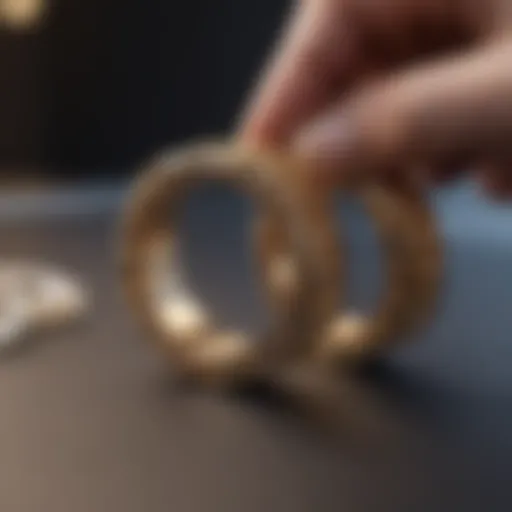
In many Western societies, the tradition dictates that the wedding ring be placed on the fourth finger, commonly referred to as the ‘ring finger’. This practice stems from ancient beliefs, particularly the notion that this finger contained a vein that ran directly to the heart, symbolizing love and commitment. Wearers often place the wedding band on the finger first, followed by the engagement ring.
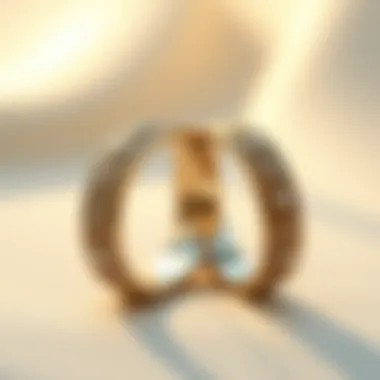
This method of layering has practical implications as well; it ensures both rings are secured together while signifying that the wedding band—the true symbol of marriage—sits closest to the heart. In certain communities, this sequence may also symbolize a transition from engagement to marriage, representing a journey of commitment.
"The way one wears their wedding rings can tell a story of love, culture, and personal choice, woven intricately into the fabric of their lives."
However, it's essential to recognize that this is not a universal practice. For some, the ceremony itself marks the moment of sharing rings, and their order could vary based on preference or comfort. Some might even choose to wear the engagement ring on a different finger, wanting to showcase each ring’s unique attributes in their own way.
Alternate Positions: Customs Around the World
The world is a diverse tapestry of traditions, and wedding ring placement is no exception. Numerous cultures have unique customs regarding how and where wedding bands are worn.
- In Germany and Austria, the engagement ring is worn on the left hand, but upon marriage, it typically moves to the right hand. This change often signifies the transition from engagement to a formal commitment in marriage.
- Meanwhile, in India, it is customary for newlyweds to exchange rings during the ceremony, though their positioning on fingers can differ widely due to regional practices. Some communities favor wearing the wedding band on their right hand, emphasizing a cultural distinction.
- Moving to the Philippines, it's common for the wedding bands to be fastened together by a string and exchanged during the wedding ceremony, highlighting community and familial bonds throughout the process.
Understanding these varied customs sheds light on how cultural influences shape the meaning behind the order of wedding rings. For those interested in the global perspectives on love and commitment, exploring these differences can be a rewarding endeavor, enhancing the experience of wearers.
In summary, ring positioning is more than a physical arrangement; it’s a profound reflection of values, beliefs, and customs that change from place to place. By understanding these varied practices, individuals not only deepen their appreciation for their own traditions but also embrace the rich landscape of cultural meanings behind the tokens of love they wear.
Materials Used in Wedding Rings
The materials selected for wedding rings speak volumes about the couple's values, aesthetics, and even their commitment to durability. It’s not just about the sparkle; the materials chosen intertwine deeply with personal significance, cultural narratives, and lifestyle choices. Understanding these components helps in making informed decisions about one of life's most enduring symbols.
Metals: Gold, Platinum, and Beyond
When it comes to metals, gold and platinum are pretty much the heavyweight champions. Gold rings, known for their warmth and radiance, come in several hues like yellow, white, and rose. Each shade tells a different story. For example, yellow gold can symbolize traditional values, while rose gold often connects with romance. Platinum, on the other hand, stands as a symbol of purity and strength. It's dense and malleable, perfect for holding diamonds securely in place.
Yet, the ring material goes deeper than color and strength. For folks aligning with ethical considerations, it's wise to ask about sourcing. Companies that offer recycled metals or ethically mined options appeal to a growing conscious consumer base.
Here’s a quick breakdown of the most widely used metals in wedding rings:
- Gold: Classic option, great for customization.
- Platinum: Ideal for its durability and distinctive look.
- Palladium: Lighter and hypoallergenic, becoming increasingly popular.
- Titanium: Lightweight and exceptionally strong, great for active lifestyles.
Gemstones: Enhancing Symbolism
Beyond traditional diamond engagement rings, gemstones play a unique role in accentuating personal stories. Each gemstone often holds different meanings and is tied to various attributes that couples may cherish. For instance, sapphires are often associated with wisdom while emeralds represent rebirth.
Including colored stones can add a meaningful layer of depth to wedding rings. Don't just stick with what's usual; consider the uniqueness of your partner's personality. An unconventional stone like turquoise can make a ring feel more personal and distinctive, transforming it from a simple band to a cherished heirloom.
A few beloved gemstones used in wedding rings include:
- Diamonds: Traditionally symbolize eternal love.
- Sapphires: Represent fidelity and loyalty.
- Emeralds: Known for stability and growth.
- Alexandrite: Symbolizes transformation, perfect for evolving relationships.
Alternative Materials: Trends and Innovations
The landscape of wedding rings is transforming significantly. In light of new trends and innovative materials, many couples are stepping outside the box. Wood, for example, has gained traction due to its natural beauty and connection to nature, embodying the idea of growth and life.
Carbon fiber rings offer a modern, minimalist aesthetic and are incredibly durable, appealing to those with an eye for modern, sleek designs. Even silicone rings have found their niche, especially for those leading active lifestyles or who want something to wear while working out.
Some intriguing alternative materials making waves:
- Wood: Unique, natural, and often customizable with engravings.
- Silicone: Affordably practical and easy to clean.
- Ceramics: Lightweight with a variety of colors and finishes, providing a contemporary feel.
In today’s world, couples are finding that their wedding rings can be as unique as their relationship, reflecting personal values, blend of cultures, or simply a style preference.
Choosing the right material means balancing personal significance with aesthetic appeal and practicality. As traditions evolve, so do choices, empowering couples to forge their unique paths in the timeless voyage of love.
Symbolism Behind the Wedding Ring Order
The allure of wedding rings extends beyond their aesthetic appeal. They stand as powerful emblems of love, commitment, and personal connection. In the context of wedding ring order, understanding the symbolism associated with these bands enhances our appreciation for the traditions and customs surrounding them. This section aims to delve into the deeper meanings attributed to these cherished ornaments, shedding light on how they unite couples in both a physical and symbolic manner.
Love and Commitment: The Infinitely Linked Bands
At its core, the wedding ring is a boundless circle, a shape that has captivated humanity for centuries. This form represents eternity, suggesting that love should have no end. The act of exchanging rings during a wedding ceremony signifies an agreement to embark on a lifelong journey together, where every twist and turn holds infinite possibilities.
When couples slip rings onto each other's fingers, they are not just donning pieces of jewelry; they are affirming their dedication and trust. Each ring becomes a tangible reminder of promises made. In many cultures, the ring is worn on the fourth finger of the left hand, historically believed to contain the vein that runs directly to the heart—an intimate and poignant placement.
"A wedding ring is just a circle, but it's the circle of trust you build together that truly lasts"
From ornate designs studded with diamonds to simple gold bands, the variety of wedding rings mirrors the diversity of love itself. Each design carries potential stories and values that reflect a couple’s individuality and shared journey.
Personal Interpretations and Meaning
While the overarching symbolism of wedding rings remains consistent—commitment and loyalty—the personal interpretations can vary widely. For some, a wedding ring may symbolize security, acting as a safeguard for their relationship. For others, it encapsulates adventure, serving as a reminder to explore life hand-in-hand with a partner.
Additionally, different cultures imbue wedding rings with unique significance. For example, in some Spanish-speaking countries, the engagement ring is worn on the right hand, while the wedding band is placed on the left. This shift can evoke a sense of transition, emphasizing the move from engagement to matrimony. Likewise, in many Asian cultures, families may present wedding rings that incorporate family heirlooms or specific gemstones, layering them with history and sentiment.
A couple’s choice of materials, colors, and styles also carries immense weight. For instance, lighter metals like titanium are viewed by some as a representation of modernity and resilience, while traditional gold is often seen as a time-honored symbol of wealth and stability. At the end of the day, the true power of a wedding ring lies in what it means to those who wear it—reflecting their journey, values, and hopes for the future.
Considerations When Choosing Wedding Rings
Choosing a wedding ring is a decision that intertwines personal values, lifestyle preferences, and aesthetic desires. It's not just about selecting a shiny band, it’s an amalgamation of your lifestyle and commitment. Each choice you make shapes how you’ll feel about this symbol of love for years to come.
Lifestyle and Practicality
In the hustle and bustle of daily life, practicality often takes center stage. Think about your day-to-day activities. If you’re someone who works with your hands or spends a lot of time outdoors, perhaps a more durable material like tungsten or a simpler design would suit you more than an intricate gold band.
- Durability: Materials such as titanium or platinum withstand everyday wear better than softer metals.
- Comfort: A good fit is essential. Consider the width of the band; wider styles may feel less comfortable for some, especially during physical activity.
- Care: Some materials require more upkeep than others. Gold, for instance, scratches easily, while harder metals remain pristine longer.
All these facets draw a clear picture: the right ring should feel as natural as breathing in your personal context.
Personal Style and Aesthetic Preferences
This selection reflects who you are. A wedding ring isn’t merely a piece of jewelry; it’s part of your story, it should resonate with your personal style. Do you lean towards the timeless elegance of a classic solitaire, or are you more drawn to a vintage or modern design?
- Shape and Cut: The shape of the ring and the cut of any stones involved can impact both the overall look and feel of the piece. For example, a cushion cut diamond might give off a romantic vibe, while a princess cut could offer a more modern twist.
- Metal Color: White gold, yellow gold, and rose gold all convey different aesthetics. Each color evokes distinct emotions and could suit your personality better.
- Customization: Consider getting a ring designed uniquely for you or incorporating elements that have personal significance.
Your ring should echo your individuality while being a beacon of your union.
Budget Considerations and Value
Having a budget is crucial. It guides your choices and allows for more targeted shopping. However, it’s important to strike a balance between affordability and quality.
- Setting a Budget: Determine your price range before you begin shopping. This can prevent the overwhelming choice overload and keep you focused.
- Long-Term Value: Consider how the quality of materials impacts the long-term value of the ring. Simpler designs with excellent craftsmanship might serve you better in the long haul than intricate pieces with lower-grade materials.
- Insurance: Don’t overlook the idea of insuring your ring, particularly if it has significant monetary or emotional value.
Ultimately, the aim is to find a ring that harmonizes your desires with realistic financial planning. It may take time to select the right piece, but patience often yields the most heartfelt results.
"The ring is just a circle, but it's what it represents that truly matters: an everlasting bond and a shared journey."
Each decision you make in the process should resonate with your true self and reflect your journey together. In summary, the considerations when choosing wedding rings serve as a guiding framework to ensure that the final pick is both personal and practical.
Caring for Wedding Rings
Caring for wedding rings is a crucial aspect that often doesn’t get the focus it deserves. These rings symbolize a deep commitment and love, making their upkeep essential for preserving both their aesthetic charm and sentimental value. Like any cherished item, the longevity of wedding rings relies heavily on proper maintenance. When taking the time to care for these treasures, individuals can ensure that they retain their beauty and integrity for years to come.
There are various factors to consider when it comes to the care of wedding rings. Routine maintenance is not only beneficial but also an integral part of preserving the emotional weight each ring carries. Additionally, knowing when to seek professional help ensures that any issues are promptly addressed before they escalate, thus safeguarding the ring's value and allure.
Routine Maintenance Tips
To keep wedding rings in top shape, a few simple yet effective maintenance routines should be implemented:
- Regular Cleaning: Keeping the ring clean goes a long way. Simple soap and water can work wonders. Using a soft toothbrush can help to remove dirt and grime from intricate designs. Make sure to rinse thoroughly, avoiding any soap residue.
- Storage Practices: When not worn, wedding rings should be stored separately, in a soft pouch or designated jewelry box. This helps to prevent scratches and general wear from contact with other jewelry.
- Frequent Inspections: Take a moment to inspect the ring regularly for any loose stones or signs of wear. Look carefully at the setting and the band, as these weak spots can lead to costly repairs if ignored.
- Avoiding Harsh Chemicals: Chemically harsh cleaners can damage the ring’s finish. Avoid contact with anything like bleach or abrasive cleaners to maintain the shiny appearance.
By following these routine maintenance practices, one's wedding ring can be kept looking stunning and symbolize long-lasting commitment.
When to Seek Professional Help
Despite the best efforts at home, there comes a time when professional intervention is necessary for the care of wedding rings. Here are key indicators that signal the need for a jeweler's expertise:
- Loose Stones or Settings: If a gemstone appears to wiggle in its setting, it's a sign that it might need re-tensioning or resetting. Delaying can result in losing the stone altogether.
- Visible Damage: Any noticeable scratches, bends, or bumps should prompt an immediate visit to a professional. Addressing these minor damages quickly can prevent more significant issues down the road.
- Persistent Tarnishing or Discoloration: If the ring is losing its shine despite cleaning, it may need a more thorough polishing or refinishing.
- Structural Concerns: Bands that feel overly thin or show signs of stress fractures require attention from a jeweler to re-strengthen the metal and ensure it won’t break under pressure.
Seeking professional help not only protects your investment but also ensures that the ring sustains its ability to symbolize enduring love for years.
In summary, caring for wedding rings is a blend of simple daily habits and knowing when to call in the pros. Regular upkeep preserves their physical integrity, while timely professional intervention enhances their emotional significance, ensuring that these cherished symbols remain as beautiful as the love they represent.
Contemporary Perspectives on Wedding Rings
In today’s world, wedding rings symbolize much more than a mere commitment. They represent a confluence of evolving gender roles, cultural diversity, and a burgeoning awareness of sustainability. As society progresses, understanding these contemporary perspectives offers significant insights into how love, commitment, and personal identity intersect with tradition. Here, we’ll explore how changing norms, gender considerations, and ethical choices shape the modern view of wedding rings.
Changing Norms and Gender Considerations
The perception of wedding rings has shifted significantly in recent decades. Once typically a sign of feminine ownership through engagement and wedding bands, the narrative around rings has expanded, celebrating individuality and inclusivity. Men wearing wedding bands has become increasingly accepted, highlighting that commitment is not bound by gender stereotypes.
Traditionally, society often dictated what a wedding ring should look like based on gender. However, now we see a diversity of styles and choices in wedding bands for all. Some men may choose thin bands adorned with subtle textures while women might opt for minimalist designs just as easily as extravagant settings. This melting pot of styles reflects personal taste rather than societal expectations.
"A ring should always reflect who you are, not who others think you should be."
In a social landscape that emphasizes equality, rings have become a medium for self-expression. Couples collaborate in choosing rings, merging aesthetics and symbolism that resonate with both partners. This new approach encourages candid conversations about what these symbols mean, enabling each pair to forge a path that is uniquely theirs.
Sustainability and Ethical Choices
As awareness of global issues rises, the principles of sustainability and ethical sourcing hold a prominent place in modern wedding ring shopping. Today’s consumers are keen on learning about the origins of their jewelry—not just the craftsmanship, but also the ethical implications surrounding materials and labor practices.
Ethically sourced materials—such as conflict-free diamonds or recycled metals—are becoming increasingly popular among conscientious buyers. Couples often ask jewelers, "Where do your materials come from?" This inquisitiveness reflects a deeper commitment not just to each other, but to the planet and its people.
Moreover, the demand for sustainable practices drives many brands to innovate, offering alternatives such as lab-grown diamonds. These stones possess identical physical and chemical properties as their mined counterparts but are produced without the detrimental environmental and social impacts associated with traditional mining.
Consider these factors when choosing wedding rings:
- Material Origin: Investigating the supply chain of materials used.
- Labor Practices: Knowing whether artisans are paid fair wages.
- Environmental Impact: Finding rings made with minimal ecological footprint.
For further reading on sustainable practices in jewelry, visit Britannica on Sustainable Jewelry or explore community discussions on Reddit Jewelry.
The End: Reflecting on the Order of Wedding Rings
The concept of the order of wedding rings plays a crucial role in understanding the multifaceted significance of these symbols of love and unity. Throughout this article, we’ve illuminated key elements such as cultural history, the materials used, and the deeply ingrained symbolism associated with these rings. Having a solid grasp on these elements not only enhances appreciation for the rings themselves but also informs one’s decisions when selecting a piece that resonates with personal beliefs and values.
Synthesis of Key Insights
In synthesizing the information presented, a few core insights emerge:
- Cultural Variability: Wedding ring traditions can differ dramatically across cultures. From placement to materials, understanding these differences enriches the meaning behind the ring.
- Symbolic Significance: The rings are not just mere adornments but are packed with meanings related to love, commitment, and shared journeys. They serve as tangible reminders of promises made.
- Material Choices: The type of metal and gemstones chosen doesn't just reflect personal style; they also carry their own set of meanings and values. For instance, a platinum ring symbolizes enduring strength, while gold signifies wealth and prosperity.
This synthesis demonstrates how wedding rings bridge personal sentiment and cultural heritage, enriching the entire experience of engagement and marriage.
Encouraging Personal Exploration of Tradition
As readers navigate through the thoughts and musings regarding wedding rings, it is vital to encourage a personal exploration of these traditions.
- Reflection: Engage in discussions with family members or friends about their wedding ring choices and the traditions tied to them. This can unveil layers of meaning that may resonate deeply.
- Customization: Consider how the design of a wedding ring could reflect one's personal journey or values. Options abound, from engraving special dates to integrating unique gemstones that symbolize significant memories.
- Research: Delve into the historical context or cultural specifics that might pique one’s interest. The more one knows, the better one can appreciate the intricate ballet of tradition and personal touch.
Engaging with the topic of wedding rings on a personal level fosters a deeper connection to the symbolism involved. It transforms the act of choosing a ring from a simple purchase into a meaningful experience enriched by history and personal relevance. This thoughtful approach ensures that the wedding ring remains a cherished emblem of love, standing the test of time in both sentiment and style.
“A wedding ring is not just an ornament; it’s a wearable story, a reminder that love is a journey, not just a destination.”
By adopting this perspective, one can turn the act of wearing a wedding ring into a celebration of love, resilience, and shared experiences.