The Elegance of Big Pear-Shaped Diamond Rings
Intro
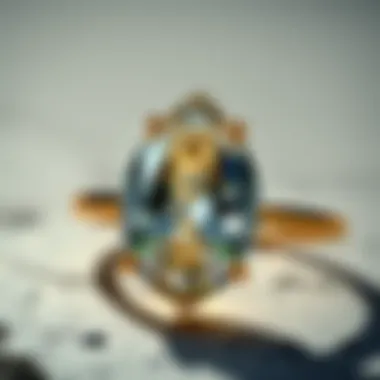
Big pear-shaped diamond rings hold an undeniable allure, blending classic elegance with a modern twist. Their unique cut, reminiscent of a teardrop, captures light in spectacular ways, making them truly stand out in the realm of fine jewelry. This guide aims to navigat through the various elements of these exquisite stones, touching on their distinct characteristics, storied history, and the factors influencing their value in today's market.
In this journey, we'll uncover not just why these rings catch the eye but also the craftsmanship and care that elevate them into the realm of the extraordinary. Whether you are a seasoned gemstone enthusiast or just starting to dip your toes into this fascinating world, this piece will provide insights and knowledge valuable for any collector or admirer.
Let’s dive into the essential aspects of big pear-shaped diamonds, exploring their roots in history, tidbits about their formation, and what makes them a worthwhile addition to any jewelry collection.
Understanding Pear-Shaped Diamonds
Pear-shaped diamonds hold a unique position in the world of gemstones and jewelry design. Their blend of elegance and distinctiveness makes them not just a choice, but a statement. Understanding pear-shaped diamonds goes beyond admiring their shape; it involves comprehending their cutting techniques, historical background, and the cultural significance they carry.
Defining the Pear Shape
The pear shape, often likened to a teardrop or a morsel from a cut fruit, combines a roundness at one end with a tapered point at the other. This combination yields a silhouette that is visually appealing and versatile. Unlike classic round or princess cuts, which are ubiquitous in modern jewelry, the pear shape stands out due to its unique aesthetic. This shape has its roots in cutting techniques that date back centuries, where skillful artisans shaped diamonds into various forms to enhance their brilliance and fire. The pear shape traditionally has 58 facets, but variations in artistry can lead to slight deviations in the number and placement of these facets, ultimately influencing the diamond's sparkle and depth.
In the realm of diamond engagement rings, the pear-shaped diamond is often favored for its ability to elongate the fingers, giving them a graceful look. Couples often gravitate towards this unique shape for engagement rings, as it offers a blend of nostalgia and elegance, making it a perfect symbol of enduring love. Furthermore, due to its versatility, a pear-shaped diamond can be set in various styles, from vintage-inspired designs to contemporary settings, appealing to a wide variety of tastes and preferences.
Characteristics That Set Them Apart
What truly distinguishes pear-shaped diamonds are several key characteristics:
- Brilliance: Due to their cut, pear-shaped diamonds can achieve a remarkable level of brilliance and fire. The unique facet arrangement allows for exceptional light performance, creating a captivating display.
- Versatility: The teardrop form adapts beautifully to different settings—whether a simple solitaire or a more elaborate halo design, the pear shape can seamlessly fit into numerous styles.
- Symbolism of Love and Tears: The pear shape often signifies tears of joy or sorrow, making it an emotional symbol in both engagement and memorial pieces.
- Variety in Appearance: These diamonds may vary in length-to-width ratio, allowing wearers to select an option that aligns with their personal preferences and hand characteristics.
"The pear shape is not merely a shape but a timeless representation of elegance and sophistication that has captured hearts through generations."
Historical Context of Pear-Shaped Diamonds
Understanding the historical context of pear-shaped diamonds sheds light on how these unique gems carved their niche in both cultural significance and design. This angle is not just about a timeline; it's about appreciating the intricate dance between societal influences, craftsmanship, and the allure that these diamonds have carried through the ages. By digging into their origins and evolution, as well as their place in the grand scheme of jewelry design, enthusiasts can better appreciate why big pear-shaped diamonds aren’t just remarkable for their looks but also for their storied past.
Origins and Evolution
The pear shape, characterized by its teardrop-like silhouette, first made its appearance in the 15th century. Its design is a harmonious blend of the marquise and round brilliant cuts, symbolizing both femininity and elegance. Initially popularized in Europe, these diamonds found their way into royal courts and among the affluent, who desired pieces that radiated both wealth and sophistication. Coveted by influential figures from various eras, pear-shaped diamonds have been a staple of high-class jewelry ever since.
The journey of the pear shape continues to evolve. In the early 20th century, the shape became a favorite among Art Deco designers—known for sharp angles and geometric shapes—as it presented a contrast to the more rigid mold of existing designs. This period brought forth a revival of craftsmanship, as jewelers honed their skills to maximize the sparkle and charm of each diamond. Notably, the iconic piece known as the "Imperial Blue Diamond," a pear-shaped gem once owned by a renowned Russian royalty, serves as a prime example of the ongoing fascination with this unique cut.
Through the ages, the pear shape has morphed, adopting various facets of artistic expression from different cultures. The transition through styles—ranging from Victorian elegance to modern minimalism—reflects not just changing tastes in jewelry, but the element of storytelling interwoven with the diamonds themselves.
Significance in Jewelry Design
The importance of pear-shaped diamonds in jewelry design cannot be overstated, especially when viewed through the lens of artistic innovation and societal significance. Their asymmetrical form lends them a versatility that can be both classic and contemporary, making them a well-loved choice for engagement rings and statement pieces alike.
Each piece crafted with a pear-shaped diamond tells a story—of love, triumph, or heritage. Unlike traditional round diamonds, which have standardized settings, the pear shape often encourages custom settings that play up its uniqueness. This variance opens the door to creativity in design, allowing jewelers to harmonize various materials and settings, creating pieces that resonate more deeply with the individual wearer's story.
"Pear-shaped diamonds encapsulate a sense of individuality, allowing each design to echo the personality of its owner more profoundly than many traditional cuts might."
Furthermore, pear-shaped diamonds bolster aesthetics in various forms. When set in halo designs, they exude a vintage appeal, while solitaire settings highlight their singular beauty. The curve of the gem can elongate the finger and adds an element of sophistication, making it an attractive choice across demographics.
In summation, the historical context surrounding pear-shaped diamonds enriches our understanding of their modern allure. Their roots, coupled with significance in jewelry design, make them timeless treasures that appeal to gemstone enthusiasts and collectors alike. Understanding these elements isn't just a history lesson; it is an invitation to appreciate the craftsmanship and meaning behind the ring on one's finger.
The Allure of Big Pear-Shaped Diamond Rings
The fascination surrounding big pear-shaped diamond rings transcends mere aesthetics. These rings are often considered a blend of elegant design and emotional significance, a symbol of love that goes beyond traditional styles. With their unique silhouette, pear-shaped diamonds capture light in a way that few other cuts can, producing an enchanting display. Furthermore, they address the desires and tastes of a diverse crowd—from gemstone aficionados to jewelry collectors—and hold a particular place in modern designs, often seen on the fingers of influential personalities.
Aesthetic Appeal
When talking about big pear-shaped diamond rings, the first point that springs to mind is their striking appearance. The form of a pear-shaped diamond, tapering to a point at one end while being rounded at the other, creates an optical illusion that enhances the finger's elegance. Unlike round diamonds, the pear shape offers a sense of individuality; it’s both refined and playful, catering to various styles and preferences.
- Versatile Styling: These diamonds can be set in multiple ways, whether in a vintage-style band or a contemporary halo setting. This versatility makes it easier for individuals to find designs that reflect their personalities.
- Proportional Balance: The unique shape can visually elongate fingers, which many find flattering. This effect offers a sense of grace and sophistication, making these rings appealing for both casual wear and formal occasions.
- Light Performance: Pear-shaped diamonds can be cut to maximize their brilliance, and when set correctly, they channel light beautifully. The resulting sparkle not only attracts attention but can even leave onlookers speechless.
Symbolism and Sentimental Value
Big pear-shaped diamond rings carry more than just an aesthetic allure; they are steeped in emotion and meaning. The symbolism associated with pear-shaped diamonds frequently reflects the wearer's intentions or sentiments, enhancing their allure.
- The Blend of Shapes: Combining the beauty of both marquise and round cuts, pear-shaped diamonds signify duality. They can embody a blend of strength and beauty, which resonates deeply with many wearers.
- Representing Uniqueness: Opting for a pear-shaped diamond can symbolize individuality; it's a choice made by those who desire something beyond the conventional. For many, this choice represents a love that is equally distinctive, mirroring their relationship's uniqueness.
- Memorable Gifts: The sentimental value associated with these rings often stems from the stories they tell. An engagement ring, a birthday gift, or a family heirloom—each ring can encapsulate moments in time, echoing love, commitment, or cherished memories.
As the narrative of big pear-shaped diamond rings unfolds, it becomes clear that their allure is a combination of striking beauty and profound significance, making them a favored choice among gemstone enthusiasts and collectors alike.
Factors Influencing the Value of Pear-Shaped Diamonds
When it comes to evaluating pear-shaped diamonds, understanding the factors that determine their value is paramount. Given that these diamonds possess a unique charm, it becomes essential to examine the elements that contribute to their worth. Buyers, whether they are enthusiasts or collectors, must grasp the intricate details that affect pricing. These considerations can guide decisions and ensure that one acquires a piece worthy of admiration.
Cut Quality and Proportions
The cut of a diamond is often considered the heart of its beauty. Pear-shaped diamonds have a unique silhouette that requires specific proportions for optimal sparkle. A well-executed cut will enhance light performance, leading to a vibrant display of brilliance and fire. Poorly cut stones, on the other hand, may appear dull, losing the very essence of what makes a diamond captivating.
When assessing the cut quality, both the length-to-width ratio and the overall symmetry should be examined closely. A ratio around 1.5 to 1.75 is generally preferred, as it allows for a beautifully elongated appearance. Furthermore, symmetry impacts how light enters the diamond; thus, ensuring the facets align precisely can elevate the overall appearance substantially. Notably, a diamond's quality can be influenced heavily by these cutting details, so patience in choosing the right shape pays off.
Color and Clarity Grading
Color and clarity are two pivotal factors when it comes to evaluating diamonds, and pear shapes are no exception. In the realm of color grading, the goal is often to seek out stones that are as close to colorless as possible, with D to F ratings often considered the finest. However, it is essential to understand that some subtle shades, particularly in larger stones, can add an appealing character that resonates with personal styles and tastes.
Clarity grading measures the internal and external flaws of a diamond, typically ranging from Flawless (no inclusions visible under 10x magnification) to Included (inclusions visible to the naked eye). Pear-shaped diamonds, with their distinctive shape, can sometimes hide inclusions better than other cuts, making them an excellent choice for collectors looking for balance between beauty and value.
Carat Weight Considerations
Carat weight is a straightforward yet significant aspect of a diamond’s value. The weight of the diamond can affect not only pricing but also the overall appearance of the ring. While larger carat weights typically command higher prices, the actual visual impact can depend on the cut quality. A well-cut pear-shaped diamond weighing one carat can sometimes appear larger than a poorly cut diamond of the same weight.
When selecting carat weight, it’s wise to consider not just the budget, but also how the size relates to personal aesthetics and hand proportions. Here, it's important to remember that bigger isn't always better; finding a diamond that looks appealing within the context of the wearer's style can lead to more satisfaction in the long run. Ultimately, understanding these factors will allow potential buyers to make informed decisions, ensuring that they select a pear-shaped diamond that resonates personally, aesthetically, and investment-wise.
Jewelry Settings for Pear-Shaped Diamonds
When it comes to big pear-shaped diamond rings, the jewelry setting plays a crucial role in both aesthetic appeal and functionality. The setting is not just about securely holding the stone in place; it transforms the diamond's appearance, influencing light reflection and overall presentation. A thoughtfully chosen setting can dramatically elevate the impact of the pear-shaped diamond, making it a centerpiece worth admiring.
Introducing the right setting can enhance the diamond's unique shape and features, emphasizing its brilliance and color. With the pear cut being a mix of round and marquise shapes, its unique profile deserves a complementary setting that enhances its distinctiveness. Let’s further dissect some popular options available in the jewelry market today.
Solitaire Settings
The solitaire setting is the classic choice for pear-shaped diamonds, highlighting each gem's beauty in its purest form. It is designed to hold a single diamond securely while allowing maximum exposure to light. This setting is ideal for those who want their pear-shaped gem to be the true star of the show.
Here are some key benefits of solitaire settings:
- Simplicity: The understated elegance of a solitaire setting emphasizes the diamond without distractions, appealing to those who appreciate minimalism.
- Versatility: A solitaire can be easily adjusted or upgraded; whether you plan to swap out the diamond down the line or want to add bands, this versatility is a huge plus.
- Focus on Quality: With fewer surrounding elements, the quality of the diamond comes front and center. You get to enjoy the diamond's unique color, clarity, and cut without competing visuals.
However, it is also important to consider fit. The prongs must cradle the pear-shaped diamond snugly at both ends while allowing it to shimmer from various angles.
Halo Settings and Their Popularity
Halo settings are gaining traction among those who desire a more extravagant look. This design features a circle of smaller diamonds surrounding the central pear-shaped diamond, amplifying its size and brilliance. The dual arrangement enhances both the stone's dimensions and overall sparkle, creating an eye-catching effect.
Reasons behind the popularity of halo settings include:
- Illusion of Size: Halo settings create an optical illusion, making a smaller diamond appear larger by surrounding it with a frame of complementing stones.
- Enhanced Brilliance: The smaller diamonds reflect light toward the central pear diamond, enhancing its radiance and creating a striking visual impact.
- Modern Yet Timeless: It offers a fresh take on classic elegance, striking a balance between tradition and modern trends, which appeals to a broad audience.
Yet, consumers should be mindful of the extra maintenance required with halo settings, as more stones necessitate more cleaning to maintain their sparkle.
Custom Settings and Design Options
For those seeking something a little different, custom settings offer a world of possibilities. Working alongside a skilled jeweler, one can design a ring that caters to personal tastes and lifestyle.
Considerations for custom settings include:
- Personalization: Tailor every aspect of the design, from metal choice to the number of stones surrounding the central diamond. This personal touch adds sentimental value that mass-produced options cannot match.
- Unique Aesthetics: Custom designs allow for unique styles; for instance, incorporating elements like engraving, textures, or mixed metals can result in a one-of-a-kind piece that expresses individual style.
- Practicality: Custom settings can be constructed with specific lifestyles in mind; jewelers can recommend designs that are more practical for daily wear, ensuring comfort while maintaining beauty.
Caring for Your Big Pear-Shaped Diamond Ring
When it comes to ensuring the beauty and longevity of your big pear-shaped diamond ring, proper care is not just advisable, it’s essential. These stunning pieces deserve the best attention to keep them sparkling for years to come. Pear-shaped diamonds, with their unique cut, tend to reflect light in captivating ways, and maintaining that brilliance requires thoughtful maintenance and care practices. From ongoing upkeep to cleaning methods and storage solutions, let’s delve into the specifics of caring for your cherished ring.
Regular Maintenance Techniques
Regular maintenance techniques are crucial for preserving the luster and clarity of your pear-shaped diamond. First off, it's important to have your ring inspected and professionally cleaned at least once a year. Jewelers can assess the setting, checking for any loose prongs or wear that might jeopardize the stone's security. During these visits, they can also deep-clean the stone, making it shine like it did the day you first wore it.
To maintain the diamond's brilliance in between professional cleanings, a simple at-home routine can be very effective. Here’s what you can do:
- Gentle Brushing: Use a soft toothbrush to remove dirt from the diamond’s facets and the setting. Make sure the bristles are totally soft enough not to scratch.
- Keep it Dry: Moist environments can trap grime. Always towel dry your ring after washing your hands or swimming.
Safe Cleaning Methods
When it comes to cleaning methods, it's vital to choose options that won’t harm the diamond or its setting. Generally, you can safely clean your pear-shaped diamond with a mild soap solution. Here’s a quick guide on how to do it:
- Create a Soapy Mix: Mix warm water with a few drops of mild dish soap in a bowl.
- Soak: Allow the ring to soak for about 20-30 minutes.
- Brush Lightly: With a soft brush, gently scrub the diamond and the setting.
- Rinse Carefully: Rinse the ring under lukewarm running water, ensuring no soap residue remains.
- Dry with Care: Use a lint-free cloth to pat the ring dry, avoiding any abrasive materials that could scratch the surface.
Storage Recommendations
Proper storage is another key aspect of maintaining your big pear-shaped diamond ring. The way you choose to store it can prevent scratches, tangles, and potential loss. Consider the following strategies:
- Jewelry Box: Keep your ring in a soft-lined jewelry box. Ensure it’s in a separate compartment to avoid scratches from other pieces.
- Anti-Tarnish Fabric: Storing in an anti-tarnish pouch or cloth can help keep the ring looking new, especially if the setting contains metals that tarnish.
- Temperature and Humidity Control: Store the ring in a cool, dry place to prevent damage from heat or moisture.
By establishing a consistent care routine that includes regular maintenance, safe cleaning practices, and smart storage solutions, you can preserve the enchantment of your large pear-shaped diamond ring. Each glance at its luminous beauty will be a reminder of why you fell in love with it in the first place.
The Role of Pear-Shaped Diamonds in Modern Trends
The allure of big pear-shaped diamonds is not just limited to their breathtaking aesthetics; their place in modern fashion and culture cannot be underestimated either. In the contemporary landscape of jewelry design, these unique stones beckon to a diverse audience, offering more than mere beauty. In this segment, we delve into how societal trends, aesthetics, and perceptions influence, shape, and elevate the desirability of pear-shaped diamonds in today’s world.
Influence of Social Media
Social media has fundamentally altered the way we perceive and purchase jewelry, shaping preferences in real-time. Platforms such as Instagram and Pinterest serve as showcases for exquisite designs, making big pear-shaped diamonds a trending choice. Influencers often flaunt these rings, highlighting their unique form and brilliance, which in turn amplifies the desire among audiences to own similar pieces.
- Visual Impact: Pear-shaped diamonds, with their tapering point and generous facets, reflect light in mesmerizing ways. This quality makes them particularly photogenic, and they shine brightly on social media feeds, attracting likes and shares.
- Engagement and Trends: Users often engage with posts that feature pear-shaped designs, creating a cycle of inspiration and aspiration. The more they see these gems, the more they yearn to include them in their own jewelry collections.
- Hashtags and Virality: Tags such as #PearShapedDiamonds, #DiamondRing, and #JewelryInspo create community dialogues, encouraging users to explore beyond traditional designs into the enchanting territory of pear-shaped stones. If someone stumbles upon a radiant pear-shaped ring while scrolling through social media, it can shape their future buying decisions.
"In the digital realm, where visuals reign supreme, the pear-shaped diamond finds its niche not just as a gem but as a symbol of modern elegance."
Celebrity Influence and Popularization
Celebrities often serve as trendsetters, and their choices significantly impact the popularity of particular jewelry styles. The spotlight on big pear-shaped diamonds has gained immense traction thanks to high-profile figures who proudly sport these distinctive pieces.
- Red Carpet Appearances: Actresses like Cardi B and Jennifer Aniston have made notable appearances wearing stunning pear-shaped diamond rings, instantly drawing attention to this shape. These moments make headlines, creating a rush of interest that echoes across jewelry shops and online marketplaces.
- Personal Styles: Celebrities often blend unique personal styles with their jewelry choices. The pear shape, known for its balance between classic and contemporary, appeals to those who wish to convey both tradition and modernity in their fashion statements.
- Influence of Engagements: Publicized engagements, such as those of famous figures, often result in fans desiring similar rings for themselves. Hearing that someone special popped the question with a stunning pear-shaped diamond ring can lead to more couples considering it for their own engagements.
The overall trend reflects a shift towards uniqueness in a world where people seek to express their identities through personal choices, also in the jewelry they wear. As we witness this evolution, it becomes clear that the pear-shaped diamond is not merely a stone but a cultural phenomenon that resonates deeply with a modern audience.
Investment Potential of Pear-Shaped Diamonds
Understanding the investment potential of pear-shaped diamonds is crucial for those looking to not just admire these stunning pieces, but also to make judicious financial decisions. Pear-shaped diamonds, known for their unique silhouette, blend the grace of a round shape with the elegance of a marquise. Their rarity and aesthetic appeal can increase their market value over time, making them appealing to collectors and jewelry investors alike.

Market Trends and Analytics
The jewelry market has seen a considerable shift in consumer preferences, with pear-shaped diamonds gaining traction among aficionados. Market analytics point towards a growing appreciation for this cut, particularly within the luxury segment. Growth is driven by trends seen on social media, where influencers and celebrities prefer bold styles that stand out, reflecting individuality. Not long ago, round diamonds dominated the industry, but data suggests a gradual shift with pear-shaped variants capturing an admirable share of the market.
- Key Trends Include:
- Increase in demand from millennials.
- Preference for unique, standout engagement rings.
- Influence of personalized, custom jewelry trends.
According to reports from industry leaders, the sales of pear-shaped diamonds have outpaced those of traditional cuts over the past few years. Monitoring platforms like Ibjd.com or Rapaport can provide ongoing insights into price trends and consumer demands.
Long-Term Value Retention
Investing in pear-shaped diamonds does not merely hinge on current trends; it also involves understanding their potential for long-term value retention. Unlike other gemstones, diamonds exhibit a relatively stable market. Historical data about investment-grade diamonds illustrates that certain shapes, such as pears, tend to appreciate, particularly when they are above a certain carat weight and feature high color and clarity grades. Factors contributing to their retention value include:
- Provenance: Diamonds with a verified history or belonging to well-renowned collectors often command higher prices.
- Shape Popularity: Classic shapes may fade in desirability, but unique cuts like pear-shaped ones can create niche markets.
- Condition and Craftsmanship: Well-maintained or custom settings enhance a diamond’s overall appeal and can further aid in retaining its value over time.
"Investing in unique diamond shapes like pears is not just about current desirability; it's about anticipating future trends and appreciating the rarity inherent in distinctive designs."
From the perspective of investment, it's wise to consult with experts who specialize in gemstone valuation. Engaging with professionals can provide insights tailored to make informed purchasing decisions.
Choosing the Right Pear-Shaped Diamond Ring
When it comes to selecting a pear-shaped diamond ring, the journey can be as captivating as the final piece itself. This section delves into the pivotal aspects that make the choice of a ring not just a matter of aesthetics but a reflection of personal style, meaning, and investment. The allure of big pear-shaped diamond rings lies not just in their visual splendor, but also in their capacity to resonate with the individual who chooses to wear them.
Personal Style Considerations
Picking the right pear-shaped diamond ring should align seamlessly with one’s personal taste. Pear-shaped diamonds, with their elegant taper and unique silhouette, vary greatly in terms of style. Here are some crucial considerations:
- Lifestyle Alignment: A ring that suits your daily lifestyle is paramount. If you’re someone constantly on the move, you might want to consider a low-set design that won’t snag or get in the way.
- Color Preferences: While sparkling diamonds are traditionally colorless, pear-shaped diamonds can also come in hues like fancy yellow or pink. Choosing the right color can greatly enhance the ring's appeal to your unique style.
- Emotional Resonance: Often, rings are more than just adornment—they signify love, commitment, or even a personal achievement. Reflect on what rings symbolize for you when making your choice.
- Setting Choices: The ring's setting plays a critical role in highlighting the diamond. Whether you prefer a classic solitaire or a contemporary halo setting, ensure it aligns with your style.
A pear-shaped diamond can also be a conversation starter, so consider how the ring reflects your personality.
Consulting with Experts
While shopping for a big pear-shaped diamond ring might feel overwhelming, seeking guidance can alleviate stress and provide valuable insights. Here are some considerations for consulting with experts:
- Gemologists: Understanding the characteristics of diamonds, including cut, color, and clarity, can greatly influence your selection. Consulting with a certified gemologist can provide clarity on what to look for based on your preferences.
- Jewelry Designers: Designers often carry unique perspectives that can enhance your vision for a ring. They can assist in customizing a piece that aligns with your specific desires.
- Reputable Jewelers: Establishing a relationship with a reputable jeweler can be beneficial. They not only provide quality assurance, but also share stories of different diamonds that can enrich your buying experience.
- Trade Shows and Expos: Attending jewelry-related events can allow you to meet industry professionals who can offer insights and recommendations based on current trends and timeless classics.
Always remember, investing in jewelry is a nuanced task that blends personal taste with expert guidance. “The best jewelry is often not the one that glitters the brightest, but the one that resonates the most.”
In essence, choosing a pear-shaped diamond ring encapsulates a significant blend of individual style and expert advice. Taking these steps may seem simple, but they can lead to a decision that truly reflects who you are.
Evaluating Authenticity and Quality
When it comes to pearl-shaped diamond rings, understanding authenticity and quality becomes paramount for enthusiasts, collectors, and designers alike. Not only is the financial investment considerable, but the emotional significance tied to gemstone jewelry demands assurance of its integrity. Fake or low-quality stones can lead to disappointment and loss of value, making the assessment of authenticity crucial.
Certificates and Grading Reports
The presence of credible certificates and grading reports is often a litmus test for the value of a pear-shaped diamond. Organizations like the Gemological Institute of America (GIA) or the International Gemological Institute (IGI) offer their detailed evaluations. These documents provide crucial data about the diamond’s characteristics, including:
- Cut: The precision of the cut greatly influences the diamond's brilliance.
- Color: The diamond's hue plays a significant role in its appeal; a more colorless gem generally fetches a higher price.
- Clarity: This involves assessing inclusions and blemishes that can affect the diamond's beauty.
- Carat Weight: The size of the diamond is a substantial factor in determining its worth.
Having a reputable grading report ensures that you are not just paying for a name but a genuine piece that meets specific quality standards. When shopping, always ask for these documents. It’s akin to having an assurance bonafide that confirms what you’ve just laid down hard cash for. In the absence of proper certifications, you can find yourself in murky waters where value and authenticity can be called into question.
Recognizing Quality Indicators
Apart from certificates, there are intrinsic indicators that can help in recognizing the quality of a pear-shaped diamond. Familiarizing yourself with these telltale signs can empower both buyers and sellers:
- Symmetry: A well-proportioned pear-shaped diamond should exhibit an even symmetry; any discrepancies can be off-putting.
- Polish: The shine and finish of the diamond are indicative of how well it has been crafted. A poor polish often leads to dullness, diminishing its appeal.
- Shape: The pear shape itself needs to be aesthetically pleasing—look for a balanced outline with a smooth taper that flows beautifully into the point.
- Durability: Ensuring that the diamond is set in quality materials, like platinum or 18k gold, further signifies strength and longevity.
It's worth spending some quality time observing these features in person; touches of brilliance can be lost in photographs.
In close, the process of evaluating authenticity and quality is not merely a formality, but a significant step towards ensuring your investment speaks volumes, both in love and value. The right pear-shaped diamond can be a treasure that lasts a lifetime, but apprehending its authentic qualities is what transforms it into a legacy.