The Allure of a One-Carat Diamond: A Comprehensive Exploration
Intro
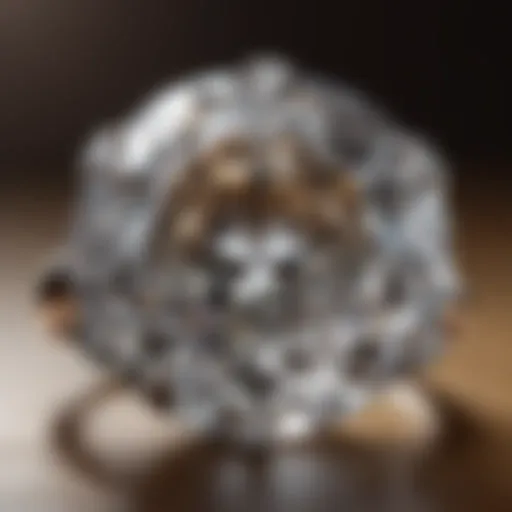
Diamonds have long been considered the epitome of luxury and love, often revered for their brilliance and the stories they encapsulate. Among these precious stones, a one-carat diamond holds a unique allure, symbolizing both elegance and a heartfelt connection. This exploration dives deep into the significance of a one-carat diamond, unearthing its historical context and cultural underpinnings, while providing valuable insight into making informed choices in purchasing and caring for these coveted gems.
Understanding the appeal of a one-carat diamond goes beyond its aesthetic qualities. These gems serve not only as a token of affection but also as a means of self-expression and status. As we traverse through the history of gemstones and minerals, the complex process of diamond formation, various gemstone types, criteria for evaluating diamonds, and tips on care, we’ll uncover the myriad aspects that contribute to the sophisticated world of one-carat diamonds.
This journey invites gemstone enthusiasts, collectors, jewelry designers, and anyone captivated by the beauty of diamonds, to appreciate the subtle nuances that delineate a diamond from a mere piece of jewelry into a poignant symbol of emotion and commitment.
Overview of Gemstones and Minerals
When we think of gemstones, it’s not just about their physical beauty but also the rich tapestry of history and culture intertwined with their existence. From the regal crowns of ancient rulers to the intricate jewelry of modern crafts, the narrative of gemstones spans centuries and civilizations.
History of Gemstone and Mineral Use
Gemstones have been utilized by humans for thousands of years, their uses evolving from adornment to currency, and even to the realm of healing. Initially, these precious stones were used by royalty to signify power and prestige. Other times, they served a pragmatic purpose. For example, some cultures believed certain gemstones could ward off evil or heal ailments. Today, their primary role is often as symbols of love or milestones, particularly diamonds in engagement rings.
Significance in Culture and Society
Throughout history, gemstones have held various meanings across different cultures. In many societies, a diamond represents eternity—an idea reflected in its unyielding nature. In Hindu tradition, diamonds are associated with the planet Venus and are thought to bring prosperity and balance. Meanwhile, in Western cultures, they embody love and fidelity, which is why they're predominantly used in engagement rings. The lasting significance of these gems translates beyond just aesthetic appeal, bridging gaps across cultures and generations.
"The allure of gemstones is not confined to their beauty; it's the stories and meanings surrounding them that truly captivate."
Gemstone Formation and Properties
The journey of a diamond begins far beneath the Earth's crust. What occurs over millions of years forms the foundation for their exceptional beauty and value.
Formation Process of Gemstones
Diamonds are formed under extreme heat and pressure, approximately 100 miles below the Earth's surface. This process occurs over a period of 1 to 3 billion years! Conversely, other gemstones may form through different geological processes, such as cooling from molten rock or from the metamorphosis of existing minerals. The distinct way each gemstone develops contributes to its unique properties and value.
Properties that Define Gemstones
When assessing the qualities of gemstones, properties like color, clarity, cut, and carat weight come into play. Each of these characteristics not only enhances the beauty of a gem but also influences its market value. For a one-carat diamond, the balance of these properties can make or break its desirability.
Classification based on Color, Hardness, and Luster
Gemstones are typically classified based on their color, hardness, and luster. Color can vary widely, even in a single type of stone. For instance, diamonds can be colorless, yellow, or even blue. Hardness is measured on the Mohs scale, which gauges a gemstone's resistance to scratching. Lastly, luster pertains to how light interacts with a stone's surface, influencing its overall brilliance and appeal.
Types of Gemstones
Understanding the types of gemstones is fundamental when considering purchasing one. The world of gemstones is categorized into various segments, each with unique features and appeal.
Precious vs. Semi-Precious Gemstones
Traditionally, gemstones are classified into precious and semi-precious categories. Precious stones, such as diamonds, rubies, sapphires, and emeralds, are rare and prized for their beauty and durability. Semi-precious gems, including amethyst and topaz, while beautiful, are more abundant and often more affordable. This classification can significantly impact buyers' choices based on budgets and preferences.
Common Gemstone Varieties
Among common gemstone varieties, diamonds hold a special place due to their combination of beauty, durability, and ongoing relevance in social customs. Other noteworthy stones include sapphires for their magnificent hues, or emeralds with their deep green shades. The diversity among these stones allows individuals to express their style and preferences in myriad ways.
Exotic and Rare Gemstones
For collectors and connoisseurs, exotic and rare gemstones present a thrilling venture. These stones, like tanzanite or alexandrite, offer unique attributes that distinguish them from their more common counterparts, often fetching exorbitant prices in the market due to their rarity and the intrigue they inspire.
Identifying and Evaluating Gemstones
The process of identifying and evaluating gemstones requires both knowledge and discernment. For those keen to invest in a one-carat diamond, a thorough understanding of the following factors is crucial.
Factors Affecting Gemstone Value
Several elements contribute to a gemstone's market value, including its rarity, the quality of its cut, and its overall aesthetic appeal. The provenance, or origin, of a gemstone can also affect its desirability—a diamond sourced from a reputable area may hold more value than one from a less well-known source.
Techniques for Gemstone Identification
Identifying a gemstone can range from straightforward visual inspections to complex gemological testing. Techniques such as refractive index measurement or examining inclusions under a microscope can substantiate a stone's authenticity or grade its quality.
Assessing Gemstone Quality
Quality assessment hinges on the Four Cs: Cut, Color, Clarity, and Carat weight. An ideal one-carat diamond balances these four aspects, ensuring it not only looks stunning but also stands as a wise investment.
Caring for Gemstones
Owning beautiful gemstones, particularly diamonds, comes with the responsibility of proper care. Over time, regular maintenance can preserve a stone's luster and brilliance.
Cleaning and Storing Gemstones Properly
To keep a one-carat diamond looking its best, cleaning with soapy water and a soft brush is often recommended. Meanwhile, storing them separately in a soft cloth or padded box can prevent scratches and damage.
Avoiding Common Mistakes in Gemstone Care
Many individuals overlook the importance of avoiding harsh chemicals or abrasive materials when caring for gemstones. It's vital to remember that some gems, despite their stunning appearance, may be more delicate than they seem.
Preservation Tips for Specific Gem Types
Different gemstones may require varied preservation methods. While diamonds are quite durable, softer stones, like opals, demand special attention to retain their vibrancy. Understanding each stone's needs is indispensable to maintain their beauty over time.
In summary, the allure of a one-carat diamond lies not just in its physical properties but also in the richness of its history and cultural significance. As we further explore the market trends and personal stories associated with these diamonds, we will deepen our appreciation for them—viewing them not merely as jewels but as cherished symbols of human emotion and connection.
For additional insights, consider exploring Gemological Institute of America or American Gem Trade Association for comprehensive educational resources.
Understanding Carat Weight
Carat weight holds a central significance in the realm of diamond jewelry. The weight, which is often the first factor that comes to mind when discussing diamonds, plays a crucial role in determining its overall value and marketability. A one-carat diamond is not merely about weight; it encapsulates artistry, precision, and a deep-seated appreciation for gemology. Understanding carat weight can guide consumers in making informed choices that align with both personal preferences and budget considerations.
Defining Carat in Gemology
At its core, a carat is a unit of measurement used to express the weight of gemstones, particularly diamonds. One carat is equivalent to 200 milligrams, which is a fraction that many may overlook. When thinking of diamonds, it's easy to wander into the vast world of their beauty, yet the scientific metrics behind them are equally noteworthy.
The term "carat" comes from the carob seeds historically used as balance scales for weighing gemstones. Today, the carat weight is a vital component of the diamond buying experience, influencing both the price and desirability of the stone. For instance, a one-carat diamond can appear strikingly different in appearance than a 0.90-carat diamond, due not only to the weight but also to how that weight is distributed and its overall quality.
The Importance of Carat Weight
Carat weight doesn't merely indicate the heft of a diamond; it also affects the gem's size, brilliance, and market demand. As a buyer, one might feel tempted to immediately jump to the search for one-carat diamonds, thinking that bigger automatically means more beautiful. However, it’s important to note how carat weight interacts with the other Cs—cut, clarity, and color.
- Visual Appeal: Generally, a larger diamond (in carat weight) will appear more impressive, but other factors must be considered. A well-cut diamond of lower carat weight can outshine a miscut heavier stone.
- Price Variation: The price per carat often increases significantly at certain weights due to buyer psychology; therefore, two diamonds—one at 0.99 carats and one at 1.00 carats—may not have a proportional price difference, making the one-carat option particularly sought after.
- Personal Preference: Individual taste plays heavily into preferences for carat weight. Some individuals prefer the subtlety of a slightly smaller stone, while others are drawn to the grandeur that a one-carat diamond represents.
"When selecting a diamond, remember that carat weight is just one piece of the puzzle, and understanding how it fits with cut, clarity, and color can really enhance your choice."
In summary, recognizing the nuances behind carat weight allows buyers to appreciate the artistry and scientific precision that contribute to the diamond's allure. A well-rounded knowledge of carat can ensure that you find a gem that not only captures the eye but also resonates with personal meaning.
Historical Significance of Diamonds
Diamonds have walked the earth for countless eons, leaving behind a trail of fascinating tales and legends. Their historical significance is more than just a footnote in gemology; it weaves through the very fabric of cultures and civilizations. Many might scratch the surface thinking diamonds are simply a commercial enterprise, but delving deeper unveils their roles as tokens of power, beauty, and status throughout history.
The role of diamonds in shaping social structures cannot be overstated. Wearing diamonds became synonymous with wealth, leading to a unique social stratification. The average person didn't have access to them; instead, they were prized by royalty and nobility. This tendency to hoard diamonds mirrors our obsession with rarity and exclusivity, igniting desires far beyond mere aesthetics.
Furthermore, diamonds serve as markers of pivotal moments in history. For instance, the famed Hope Diamond, with its storied past, whispers secrets of curses and legends tied to royal families. Diamonds were even used as signs of power; think about the crowns of monarchs or the adornments on the robes of emperors—each gem encapsulating not just beauty but also authority and divine right.
What’s more, diamonds have undergone a fascinating evolution in their meanings and uses. Initially seen as talismans, believed to hold protective powers against evil, they transitioned to symbols of eternal love, especially with their rising popularity in engagements. Reaching into our subconscious, heavy with romantic notions, diamonds spark emotional narratives, making them pivotal in personal milestones.
"A diamond is forever," they say, but it also embodies the timeless stories that transcend generations.
In exploring the historical significance of diamonds in this article, we seek to understand not just their past but also how that past shapes perceptions today. Understanding this context enriches the journey of choosing a one-carat diamond, intertwining personal narratives with the deeper meanings engraved in these remarkable stones.
Diamonds in Ancient Cultures
Long before their modern context filled our jewelry boxes, diamonds held vital positions within ancient cultures. In India, for instance, diamonds were discovered centuries ago, and the subcontinent became renowned for its vast supply. The ancient Hindus believed these stones were gifts from the gods, imbued with powers to bring good fortune and protect their wearers. The Koh-i-Noor, once the largest diamond in the world, was worshipped as a deity before it was crafted into a crown.
Similarly, in ancient Greco-Roman societies, diamonds were seen as symbols of invincibility and were believed to be splinters of fallen stars. The notion that these stones could empower the wearer is reflected in their widespread use among warriors and lonely emperors—an emblem of strength bestowed by divine forces.
In cultures that placed high value on trading, nowhere was this more evident than in the opulent markets of the Silk Road. Diamonds shared the stage with spices and silk, as their rarity made them coveted treasures that crossed borders and bound nations in a web of wealth and culture.
The Evolution of Engagement Rings
The practice of giving diamond engagement rings, while seemingly modern, is a tradition steeped in history. This concept traces back to a time when the diamond's shear sparkle and rarity were equated to eternal love and commitment. The first recorded case of a diamond engagement ring was in 1477 when Archduke Maximilian of Austria presented one to Mary of Burgundy. This marked a turning point in how diamonds began to signify a promise of fidelity and a future together.
Over the centuries, the styles and mounting techniques for these rings evolved considerably. The introduction of different cuts, such as the round brilliant and princess cut, highlighted the diamond's brilliance and set a new standard in jewelry design. The marketing genius behind the line "A diamond is forever" by De Beers in the mid-20th century cemented the diamond's place in engagement rituals worldwide. This crafted narrative didn’t just transform consumer habits; it ensured diamonds were perceived as indispensable anchors of love and longevity.
Today, engagement rings featuring one-carat diamonds are both a personal emblem and a societal expectation. They carry stories of love across generations, making each piece more than just a piece of jewelry; it's a vessel of emotions, histories, and promises that endure the test of time.
Symbolism of Diamonds
Diamonds hold a unique place in human culture, reflecting values, aspirations, and emotions across various societies. Their allure transcends mere physical beauty, embodying a range of symbolic meanings that resonate deeply with individuals. In this section, we'll explore the profound symbolism of diamonds, delving into how these precious stones serve as more than just adornments; they represent pivotal life moments, ideals, and societal norms.
Cultural Interpretations of Diamonds
Cultural interpretations of diamonds can vary significantly across different regions and eras. For instance, in many Western cultures, diamonds are strongly associated with love and fidelity. The tradition of giving a diamond engagement ring has its roots in the late 19th century when companies like De Beers launched the "A Diamond is Forever" campaign. This marketing strategy not only popularized the diamond ring as a symbol of betrothal but also solidified the notion of diamonds as ultimate expressions of commitment.
However, in other areas, diamonds can symbolize power or status rather than romantic love. In India, for instance, diamonds have been a part of royal jewelry and signify wealth and privilege. Their sparkle has been a marker of high social standing, used to demonstrate affluence rather than personal attachment.
"Diamonds are the silent witnesses to our histories, emotions, and transitions across cultures."
Diamonds as Symbols of Love and Commitment
Diamonds uniquely encapsulate love and commitment, often being referred to as the ultimate symbol for those moments that define relationships. When we think about milestones such as engagements or anniversaries, it’s hard to overlook the prominent role diamonds play during these moments. A one-carat diamond, in particular, has become a popular choice for engagement rings, representing not just beauty but also the perfect balance of elegance and significance.
These stones serve a specific purpose: they are often seen as a promise—a commitment that transcends the physical object itself. The cut, clarity, and color reflect the thoughtfulness that the giver places into the choice. This symbolic value cannot be underestimated, as it connects deeply with the emotions and memories attached to personal relationships.

On a broader scale, diamonds also represent resilience and strength. This ties nicely into their geological formation; they are forged under immense pressure over millions of years. Just like the endurance required to sustain relationships, diamonds encapsulate beauty through trials and tribulations. Whether worn as a ring, pendant, or earrings, their shimmer serves as a constant reminder of enduring love.
In summation, when we delve into the symbolism of diamonds, we uncover a rich tapestry interwoven with cultural narratives and personal stories. As these stones continue to capture the hearts of many, they remind us of the emotions and commitments they represent, elevating them from mere objects to cherished treasures.
Choosing the Right One-Carat Diamond
Selecting the right one-carat diamond is a critical step for anyone looking to adorn their hand or that of a loved one. This choice extends beyond mere aesthetics; it intertwines personal preferences with informed decision-making. A one-carat diamond, often considered a benchmark of quality and elegance, represents a significant commitment, not only financially but emotionally as well. Understanding the nuances behind various attributes can be the difference between a fleeting impulse and a cherished treasure. In this section, we'll explore the essential elements that comprise a one-carat diamond, highlighting tips and considerations that will aid buyers in making educated choices.
The Four Cs: Cut, Clarity, Color, Carat
The Four Cs of diamonds—cut, clarity, color, and carat—serve as the foundational pillars for evaluating a diamond's overall quality and allure. Each component contributes to not only the diamond's appearance but also its value.
- Cut: This refers to how well the diamond is shaped and faceted. A well-cut diamond will reflect light beautifully, showcasing its brilliance. A poor cut may leave the stone looking dull, regardless of its size.
- Clarity: This measurement involves assessing the internal and external flaws, often referred to as inclusions and blemishes. A diamond with higher clarity is rare and thus more valuable.
- Color: The color grade of a diamond ranges from colorless to light yellow. Generally, the less color, the higher the quality. Colorless diamonds are highly coveted because they allow for maximum light reflection.
- Carat: Carat weight measures the size of the diamond. While one carat symbolizes a significant size, understanding its proportion with cut, clarity, and color reveals how impactful it will appear on the finger.
By familiarizing oneself with these aspects, potential buyers can better navigate the landscape of diamonds, ensuring that their selection aligns with their values, budget, and style.
Understanding Diamond Cuts
Diving deeper into the cut, the most crucial factor affecting a diamond’s beauty, it’s clear this isn’t merely about shape. The term "cut" encompasses the overall craftsmanship of the diamond, influencing how it interacts with light. A diamond's proportions, including its depth and table size, greatly affect its light performance. Here’s a closer look at popular cuts:
- Round Cut: The most common and brilliant cut, known for its classic looking sparkle.
- Princess Cut: A modern square shape that displays a contemporary aesthetic with sharp angles.
- Emerald Cut: Distinguished by its rectangular shape and step-like facets, it offers a more understated elegance, enhancing clarity rather than brilliance.
- Asscher Cut: Similar to the emerald cut but square, it showcases vintage charm with its unique faceting pattern.
Precision in the cut results in a diamond that seems to come alive, gaining depth and character. Even for the seasoned aficionado, noticing the minute difference in cuts can reveal much about a diamond's nature.
Evaluating Clarity and Color
When it comes to clarity and color, assessing these features requires a keen eye and understanding. Clarity is graded on a scale from Flawless to Included, where inclusions can be pinpointed with a magnifying tool. Here’s a simple breakdown to guide your evaluation:
- Flawless (F): No internal or external flaws.
- Very Slightly Included (VS1 and VS2): Minor inclusions that are difficult to detect.
- Slightly Included (SI1 and SI2): Noticeable inclusions under magnification but often invisible to the naked eye. These diamonds can provide value without sacrificing beauty.
- Included (I1, I2, I3): Flaws that are visible without magnification, impacting the diamond's integrity and beauty.
Similarly, assessing color involves carefully examining hue. As stated, the scale runs from D (colorless) to Z (light yellow or brown). More color in a diamond can desaturate its brilliance, while the absence of color allows the diamond’s innate sparkle to shine through.
Crafting the Perfect Setting
The setting of a diamond ring is not merely a backdrop for the sparkling gem; it's the frame that brings out its brilliance and personality. It can entirely transform the perception of a one-carat diamond, influencing how it interacts with light and ensuring that the stone is not only secure but also beautifully showcased. The right setting balances aesthetics and functionality, marrying the beauty of the diamond with the preferences of the wearer.
When considering a one-carat diamond, it's essential to understand the significance of crafting the perfect setting. This isn't just an afterthought; it's a pivotal decision that reflects the style and sentiment intended behind the piece. A well-chosen setting complements the diamond while also suiting the lifestyle of its owner. For instance, an active individual may favor a more secure and lower-profile setting, while someone who often attends formal events might lean toward a more ornate design.
Metal Choices for Ring Settings
The choice of metal for a ring setting plays a crucial role in not just beauty, but also durability. While many options exist, certain materials stand out due to their unique properties and aesthetic appeal. The most popular metals include:
- Gold: Available in yellow, white, and rose variations, gold settings are a classic choice. Yellow gold imparts warmth and richness, while white gold elegantly enhances the sparkle of the diamond. Rose gold, with its romantic blush hue, has surged in popularity for its unique and trendy look.
- Platinum: Often regarded as the elite choice, platinum is exceptionally durable and hypoallergenic. Its natural white sheen provides a striking contrast to a diamond’s brilliance, making it a sought-after option, particularly for engagement rings.
- Palladium: Sometimes considered a more affordable alternative to platinum, palladium shares many of its benefits but is lighter. It also resists tarnishing and provides a similar aesthetic appeal.
- Sterling Silver: While less common for high-end settings due to its softer nature, sterling silver can be an attractive and budget-friendly option for fashion rings or temporary settings. However, it's essential to consider that it may require more care to maintain its shine.
Choosing the right metal is about balancing personal taste, durability, and, of course, budget. A well-crafted metal setting can elevate not just the diamond’s brilliance but the entire piece.
Popular Settings for One-Carat Diamonds
The design of a diamond's setting can vastly change its appeal. Popular settings for one-carat diamonds include distinct styles, each with unique characteristics and advantages:
- Solitaire: Perhaps the most timeless and classic choice, solitaire settings feature a single diamond, allowing it to take center stage. They are simple but elegant, perfect for someone who values minimalist beauty.
- Halo: This setting encircles the central diamond with a ring of smaller stones, amplifying its size and brilliance. Halos have become a popular choice for those seeking added glamour and sparkle.
- Three-Stone: Symbolizing the past, present, and future, this setting features three diamonds. It offers an impactful design while holding sentimental value for many couples.
- Pavé: With small diamonds set closely together, this design creates a continuous sparkle around the band, enhancing the look of the one-carat diamond even more. It's often chosen by those who desire a bit of extra bling.
- Bezel: This setting encircles the diamond completely with metal, providing exceptional protection while offering a sleek and modern appearance. It's an excellent choice for those who lead an active lifestyle.
Caring for Your One-Carat Diamond
Caring for a one-carat diamond is essential to maintain its brilliance and integrity over time. Much like taking care of a classic car or a fine watch, regular maintenance ensures that it continues to shine as brightly as the day it was first worn. Without proper care, a diamond can accumulate dirt and oils, making it lose its sparkle. This section will explore daily maintenance tips and long-term care strategies, providing a roadmap for ensuring your diamond remains an enduring symbol of beauty and commitment.
Daily Maintenance Tips
Everyday care plays a crucial role in keeping the gleam of your one-carat diamond intact. You don’t need to pull out the big guns every time; simple, regular attention can make a world of difference. Here are some practical daily maintenance tips:
- Gentle Cleaning: Use a soft cloth to wipe off any dirt after wearing your diamond. A microfiber cloth works wonders in keeping it smudge-free and sparkling.
- Keep Away from Harsh Chemicals: Household cleaners can be harsh and damaging to your diamond. Before using any cleaning products, be sure to remove your ring to avoid unwanted exposure.
- Regular Check-Ups: Just like a health check-up, it’s a good idea to occasionally check the setting of your diamond. Worn prongs can loosen the stone, risking loss. If you notice any change, consider taking it to a jeweler for a professional inspection.
- Avoid Wearing While Doing Chores: Activities like cleaning or gardening can expose your diamond to wear and tear. Leaving it in a safe place can prevent unnecessary chips or scratches.
A little care goes a long way – a diamond that is well cared for not only shines brighter but also retains its value much better.
A keen eye for detail in daily maintenance will contribute significantly to the longevity of your ring. Thus, cultivating a habit of checking and cleaning can be very rewarding.
Long-Term Care and Storage
When it comes to long-term care, proper storage and cleaning practices can save your diamond from harm over the years. Here are essential tips to ensure your diamond remains in top shape:
- Proper Storage: Store your diamond in a separate compartment of a jewelry box or in a soft pouch to prevent scratches. Diamonds are tough, but they can chip against harder surfaces.
- Professional Cleanings: Aim to have your diamond professionally cleaned and inspected every six to twelve months. Jewelers can remove grime and check for any wear that might not be visible to the naked eye.
- Secure Insurance: Consider insuring your diamond. An unexpected loss can be devastating, and having coverage protects your investment.
- Avoid Exposure to Extreme Conditions: Steer clear of exposing your diamond to high heat or extreme temperatures, as these can sometimes impact its appearance. For example, refrain from leaving your diamond in a hot car during summer months.
In sum, caring for your one-carat diamond demands both attentiveness and a strategic approach. Daily maintenance protects its immediate vibrancy, while long-term care ensures it stands the test of time. By following these practices, your diamond will not only serve as a testament to beauty but also a lasting legacy that can be cherished for generations. For further reading about diamond care, visit Gemological Institute of America or check out educational articles on Wikipedia.
Market Trends in Diamond Sales
Understanding the market trends in diamond sales is crucial for anyone interested in purchasing or investing in diamonds. The landscape is ever-changing, influenced by consumer preferences, economic factors, and global events. For jewelry buyers and collectors, awareness of these trends can lead to informed decisions and potentially more satisfying purchases. Investors might find that knowledge of market conditions could significantly affect the longevity and growth of their investments in diamonds.
In pristine clarity, what drives the diamond market? Factors such as supply and demand play pivotal roles, alongside cultural shifts that influence buying habits. As millennials and Gen Z begin to enter the market, their preferences sway towards sustainability and ethical sourcing. Additionally, online platforms have transformed how consumers approach purchasing diamonds, often favoring convenience while seeking transparency and information.
"A diamond is forever, but the way we perceive and purchase them evolves with each generation."
Overview of Current Market Trends
In the current marketplace, several notable trends emerge:
- Sustainable Sourcing: More buyers are gravitating toward ethically sourced diamonds, often questioning the origins of every gem. Lab-grown diamonds, considered conflict-free, are gaining popularity.
- Online Sales Surge: With the pandemic pushing many towards digital shopping, retailers have enhanced their online presence. Websites now offer extensive education about diamonds, making it easier for consumers to learn before they buy.
- Personalization: Customization in jewelry has reached new heights. Many buyers are opting for unique settings and designs that reflect personal stories or attributes.
- Emotional Value: Instead of merely seeking a status symbol, consumers are increasingly valuing the sentimental connections that diamonds represent. This trend emphasizes experiences over possessions, making jewelry a reminder of significant milestones or emotions.
Investment Potential of Diamonds
Investing in diamonds can be intriguing, but it’s vital to approach it with clear perspective. Unlike stock markets, the diamond market can be unpredictable but holds potential for long-term appreciation. Factors that contribute to their investment viability include:
- Rarity and Quality: Higher quality diamonds, especially ones with exceptional cut and clarity, can appreciate significantly over time. Collectors often pay a premium for stones with these attributes.
- Cultural Significance: As societal values shift, diamonds retain their allure as timeless symbols of love and commitment, which can help sustain their market value.
- Global Demand: Emerging markets, particularly in Asia and Africa, show increasing demand for diamond jewelry, hinting at a blossoming market.
In summary, diving into the realm of diamonds requires understanding not just the gems themselves but also the broader market narratives at play. Awareness of trends in diamond sales furnishes buyers with the ability to navigate their choices effectively, allowing them to make confident, well-informed investments.
Personal Narratives and Experiences
When it comes to diamonds, particularly the one-carat variety, the personal stories behind these gems tend to resonate deeply. These narratives serve as a unique lens through which one can understand the significance of the diamond beyond its physical attributes. Diamonds often embody love, commitment, and personal milestones, transforming them from mere stones to cherished symbols of human emotion.
Stories Behind One-Carat Rings
Every diamond ring carries a tale, often rooted in the special moments leading to its acquisition. For instance, consider a story of a couple, Jaime and Carlos, who celebrated their tenth wedding anniversary with a one-carat diamond upgrade. Jaime recounted how the original engagement ring, a simple yet heartfelt piece, represented their humble beginnings. The new ring, with its brilliant cut and near-flawless clarity, was much more than just a gem; it represented their journey together, the trials conquered, and the memories forged.
In another case, a young woman named Mei received a one-carat diamond from her grandmother, who passed down not just the ring but also the story of her own love life. These narratives often gift recipients a deeper appreciation for the diamond, making it a part of their lineage, rich in emotional value.
"Each diamond has a story, preserving moments that often goes beyond what anyone can see."
Emotional Connections to Diamond Jewelry
The emotional ties that people forges with their diamonds can be extraordinary. Diamonds often serve as milestones—be it engagement, anniversaries, or even family heirlooms passed down through generations. For many, wearing a one-carat diamond is like carrying a piece of their heart with them.
For instance, think of Sarah, who received a one-carat diamond from her partner. Although it was a token of love, it also carried memories of their travels and the challenges they faced together. Each facet of the diamond mirrored a chapter in their relationship, making it a singular piece of art, both beautiful and brimming with significance.
Ethical Considerations in Diamond Purchasing
When it comes to diamonds, the allure extends beyond their sparkle and clarity. An equally pressing concern is the ethical implications surrounding their purchase and sourcing. This section delves into why ethical considerations are paramount for buyers—especially in an era where consumer consciousness is at an all-time high.
Sourcing Diamonds Responsibly
Sourcing diamonds responsibly means ensuring that the gemstones you adore are acquired in a manner that does not contribute to social and environmental harm. The industry has seen a shadowy past with blood diamonds—gems mined in war zones, funding violence and conflict. Fortunately, there are now initiatives aimed at ensuring that your one-carat diamond is conflict-free.
Many buyers today prioritize stones that are certified by reputable organizations. Certifications like the Kimberley Process aim to track diamonds from mine to market, making sure they are not linked to violence. Opting for diamonds from ethical dealers not only supports these practices but also ensures that your purchase contributes to positive change.
Here are key points to consider when sourcing diamonds:
- Conflict-Free Certifications: Always ask for provenance information. Look for diamonds accompanied by a certificate that indicates they are conflict-free.
- Lab-Grown Diamonds: These diamonds are created in controlled environments and offer an ethical alternative. They possess the same physical and chemical properties as mined diamonds but eliminate the ethical baggage.
- Sustainable Mining Practices: Some companies engage in environmentally friendly mining practices, ensuring minimal damage to local ecosystems.
Understanding Certificates and Grading
One of the most misunderstood facets of purchasing a diamond is the role of certificates and grading. Many buyers are overwhelmed by the jargon and intricacies involved. Understanding these certificates is essential to making an informed choice.
A credible grading report details the diamond's characteristics, including its cut, clarity, color, and carat weight—the Four Cs. Reputable laboratories like the Gemological Institute of America (GIA) and the International Gemological Institute (IGI) offer reliable grading reports, providing transparency that buyers should seek.
When examining a diamond certificate, keep the following in mind:
- Verification of Authenticity: The certificate should include a unique identification number etched on the stone, which matches the report.
- Detailed Descriptions: Look for comprehensive descriptions of the diamond’s properties. A good report should include the cut quality, clarity grade, color grade, and any notable inclusions.
- Market Value Insights: Some certificates give an estimated market value, assisting buyers in understanding what they’re investing in.
Understanding these elements equips buyers to make choices rooted not just in aesthetics or price but in a broader context of responsibility. As you select a one-carat diamond, think about its journey to your hand. Your purchase should be a reflection of your values, connecting beauty with integrity.
Future of Diamond Jewelry
As we look towards the future, the diamond industry is undergoing significant shifts that affect the way consumers perceive and purchase these cherished gems. Several factors are playing into this evolution, including sustainability, consumer preferences, and technological advancements. It’s crucial for gemstone enthusiasts and jewelry designers to recognize these elements to stay ahead in a competitive marketplace. Understanding the trends that are emerging will not only inform better purchasing decisions but also align with the values that many consumers now hold paramount.
Key Elements to Consider:
- Sustainability: The growing emphasis on ethically sourced materials.
- Innovation: How new technologies are enhancing diamond production and purchasing.
- Consumer Education: The importance of informed choices in a rapidly changing market.
"The future doesn’t just happen; it’s shaped by the choices we make today."
Emerging Trends in Diamond Jewelry Design
In recent years, the landscape of diamond jewelry design has seen a wave of creativity that blends traditional craftsmanship with modern aesthetics. Some trends that are gaining traction include:
- Geometric Designs: Instead of classical shapes, rings with hexagon, oval, or asymmetrically placed diamonds are becoming popular. This originality allows couples to showcase their unique identities.
- Mixed Materials: Jewelers are exploring the use of alternative metals alongside traditional gold and platinum. Materials like titanium or rose gold are making waves in the market, providing versatility in design and price.
- Colorful Diamonds: While white diamonds remain timeless, colored diamonds—especially in pastel shades—are catching more eyes. These hues add a surprising twist to classic pieces, making them more personalized.
Each of these design trends reflects not just aesthetic choices but also cultural shifts towards individuality and away from uniformity.
The Impact of Technology on Diamond Purchase
The role of technology in purchasing diamonds can’t be understated. With advancements in online shopping, blockchain for tracking origins, and augmented reality tools for virtual try-ons, buyers are now better equipped than ever to make informed decisions.
- E-commerce Growth: More buyers are turning to reputable online platforms. Websites like James Allen or Blue Nile allow consumers to view diamonds in high-definition, providing a clearer picture of the gem's qualities before purchase.
- Blockchain Transparency: Technologies that trace a diamond’s journey from mine to market are becoming more prevalent. This ensures that the diamond is conflict-free, giving peace of mind to the modern consumer.
- Augmented Reality: This innovative tool is transforming the shopping experience, allowing customers to visualize how a diamond will look in a setting on their finger, all from the comfort of their homes.
As these technological advances gain traction, they significantly influence purchasing behavior, making the diamond purchase a more transparent and personal experience.