VVS vs SI: Insights into Gemstone Clarity
Intro
In the captivating world of gemstones, clarity is a critical factor that significantly influences both aesthetic appeal and market value. For those with a keen interest, understanding the intricacies behind various clarity grades is essential. The terms VVS, or Very Very Slightly Included, and SI, or Slightly Included, are often thrown around in discussions about gemstones, but what do they really mean? In this narrative, we will break down not only the definitions but also their implications in broader contexts such as selection, valuation, and overall appreciation of these stunning natural treasures.
Overview of Gemstones and Minerals
The base of any discourse on gemstones lies in their inherent qualities as minerals. Gemstones are not merely stunning objects for adornment; they embody history, culture, and scientific intrigue.
History of Gemstone and Mineral Use
From ancient civilizations, gemstones have been revered—used in jewelry, tools, and even in spiritual practices. The Egyptians adored lapis lazuli, imbuing it with divine attributes, while the Chinese sought jade for its serene beauty. The trade routes that spanned continents contributed to a rich tapestry of stories, which are etched into the very essence of these minerals.
Significance in Culture and Society
In many societies, gemstones are viewed as symbols of status and power. Think of the British Crown Jewels, which encapsulate national pride. Furthermore, birthstones have become a staple in personal gifts, marking milestones and celebrations in individual lives. The cultural significance of gemstones goes beyond aesthetics; they often carry deeper meanings and heritage that resonate with people across the globe.
Gemstone Formation and Properties
Understanding how gemstones are formed provides a deeper appreciation for their beauty and value.
Formation Process of Gemstones
Gemstones originate from a myriad of processes—some are created through volcanic activity, while others crystallize under intense heat and pressure deep within the Earth. Each method leaves its unique print on the gemstones, affecting their ultimate character.
Properties that Define Gemstones
Characteristics such as hardness, clarity, and color come together to define a gemstone's quality. Clarity, in particular, can make or break the appeal of these stones, as even minimal inclusions can shift perceived value dramatically.
Classification based on Color, Hardness, and Luster
Gemstones can generally be classified into various categories based on their physical appearance. Factors like color and luster play a substantial role when assessing a gemstone’s appeal. The classification could be an extensive topic in itself, based on several criteria, including refractive indices and crystal systems.
Types of Gemstones
Not all gemstones are created equal. The distinction between precious and semi-precious gemstones is well-known but often misunderstood.
Precious vs. Semi-Precious Gemstones
Traditionally, diamonds, rubies, sapphires, and emeralds are dubbed precious, whereas everything else falls into the semi-precious category. However, the line often blurs depending on rarity and demand.
Common Gemstone Varieties
Some popular varieties include amethysts, aquamarines, and citrines. Each offers its unique flavor and charm, giving enthusiasts a lot of options to explore.
- Amethyst: A striking violet hue; often linked to tranquility.
- Aquamarine: Resembles the sea, evoking feelings of calmness.
- Citrine: Known for its warm yellow tones, symbolizing happiness.
Exotic and Rare Gemstones
If you're after something truly unique, consider exploring gemstones like taaffeite or painite, which are often meticulous in their formation and practically unseen in the consumer market.
Identifying and Evaluating Gemstones
To truly appreciate gemstones, one must know how to evaluate them properly.
Factors Affecting Gemstone Value
Various elements determine value, including clarity, weight, and the existence of flaws. For instance, those tiny blemishes in a VVS grade gemstone can potentially drop its price tenfold if compared to flawless counterparts.
Techniques for Gemstone Identification
Techniques such as using a loupe to inspect for inclusions or employing specialized equipment like a refractometer can provide insights into a gemstone’s identity.
Assessing Gemstone Quality
Quality assessment is multi-faceted. It’s not solely about clarity; color richness, cut proportions, and overall aesthetic harmony also play essential roles.
Caring for Gemstones
Even the most breathtaking gemstones can lose their luster if not cared for properly.
Cleaning and Storing Gemstones Properly
Ensure regular cleaning using gentle methods; some gemstones, like pearls, require particular care. Storing them in soft pouches helps prevent scratches.
Avoiding Common Mistakes in Gemstone Care
A common pitfall is exposing gemstones to harsh chemicals or extreme temperature changes, which can lead to irreversible damage. Always think twice before handling!
Preservation Tips for Specific Gem Types
Each gemstone type may demand specific care routines. For example, opals should be kept away from direct sunlight to avoid cracking, while diamonds can withstand more rigorous cleaning processes.
Understanding the nuances of gemstone clarity not only enhances your knowledge but enhances your appreciation of these natural wonders.
As we progress through the article, we will zoom in deeper on clarity grades, specifically VVS and SI, focusing on their definitions, implications, and tips for selecting the perfect gemstones for your personal collection or design masterpieces.
Prelims to Gemstone Clarity
Gemstone clarity is a cornerstone of gemology that influences both aesthetic appeal and market value. Understanding clarity can be a game-changer for gemstone enthusiasts, collectors, and jewelry designers alike. In this section, we will shine a light on the significance of clarity in gemstones, discussing its defining features and implications.
Defining Clarity in Gemstones
Clarity pertains to the visibility of inclusions, blemishes, and imperfections within a gemstone. At its core, this characteristic contributes to the overall beauty and brilliance of the stone. Gemstones are graded on how clear they appear to the naked eye, and this grading system can often seem a little convoluted to the untrained eye.
A gemstone that is categorized into clarity grades like VVS or SI helps buyers grasp what they are paying for. These grades, which stand for "Very Very Slightly Included" and "Slightly Included," respectively, tell a story about the gem's journey from its geologic formation to its final presentation in the market.
- VVS: Features minute inclusions that are difficult to detect, even for experienced gemologists.
- SI: Displays noticeable inclusions that may affect the stone's brilliance but often remain concealed unless viewed closely.
Understanding clarity creates an avenue for appreciation; buyers can learn how these grades impact both the beauty and the worth of a stone. Knowing why clarity is a pillar in the evaluation process arms collectors with confidence.
The Importance of Clarity
Clarity is not just a technical assessment; it's an integral part of purchasing gemstones. A gem’s clarity can greatly affect its market price and desirability. Here’s a closer look at why clarity matters:
- Aesthetic Appeal: Gemstones with high clarity capture and reflect light magnificently, making them more visually striking. A clearer gem sparkles and shines in ways that can transport viewers into a realm of beauty that less clear stones may fail to summon.
- Resale Value: For collectors and investors, gemstones that boast high clarity generally maintain or increase in value more effectively than their cloudy counterparts. A gem graded as VVS, for example, is often considered a sound investment.
- Symbolism and Sentiment: In many cultures, clear gemstones are seen as symbols of purity and perfection. When gems are included in jewelry for sentimental reasons—like engagement rings or heirlooms—clarity serves as a representation of flawless love or time.
"In the realm of gemstones, clarity is not merely technical; it’s a language of beauty, telling tales of geologic journeys while earning admiration and monetary value."
In summary, clarity plays a pivotal role in understanding gemstones. It molds perceptions, dictates prices, and influences choices. For those at the intersection of passion and profession within the gemstone community, being conversant with clarity ratings undoubtedly fosters informed buying decisions.
Gemstone Clarity Grades Explained
Understanding the varying degrees of clarity in gemstones is crucial, particularly for those who appreciate them not merely as accessories but as pieces of art and history. Clarity grades give insight into a gemstone's purity and overall visual appeal. When collectors or jewelers consider purchasing or crafting, these grades become a pivotal reference point. Clarity influences not just the aesthetics but also the intrinsic value of the stone, affecting marketability and desirability.
Understanding Clarity Grading Systems
Clarity grading systems, at the heart, aim to categorize gemstones based on their internal and external characteristics. The primary organization, the Gemological Institute of America (GIA), plays a significant role in defining these standards.
Clarity is typically assessed on a scale:
- Flawless (FL): These stones showcase no blemishes or inclusions visible under 10x magnification.
- Internally Flawless (IF): These possess no internal flaws, though surface blemishes might be present.
- Very Very Slightly Included (VVS1 & VVS2): Some inclusions exist but are challenging to see even at 10x magnification.
- Very Slightly Included (VS1 & VS2): Minor inclusions are detectable, but only with careful inspection.
- Slightly Included (SI1 & SI2): Noticeable inclusions can be seen, potentially affecting beauty, yet overall visual appeal remains significant.
- Included (I1, I2, I3): Inclusions are prominent and can seriously impact the stone's beauty.
Each level reflects the degree of clarity and thus assists buyers and sellers in communicating about the quality of gemstones efficiently. Knowing these classifications helps navigate gemstone purchases or evaluations effectively, steering clear of surprises once one lays eyes on a piece of jewelry.
Overview of Different Clarity Grades
Diving deeper into the specifics of clarity grades, it's essential to highlight not just the definitions but their market implications. Let’s break down the various categories:
- Flawless (FL): Achieving this grade is rare, akin to finding a needle in a haystack. Such gemstones command premium prices.
- Internally Flawless (IF): Slightly less rare than FL but still considered a high-quality choice. Ideal for high-end jewelry.
- VVS Grades: These are often favored by collectors and designers, balancing quality and affordability, as they represent a superior aesthetic value without reaching the exorbitant prices of flawless stones.
- VS Grades: These stones still maintain their allure and may serve as excellent options for custom pieces or fashion jewelry without breaking the bank.
- SI Grades: While not the highest quality, they offer affordability and are popular among those new to gemstone collecting or seeking unique designs without the hefty price tag.
- Included (I): These stones often find their place in fashion jewelry or utility items, where perfect clarity is less critical.
In summary, clarity grades serve more than just an identification purpose; they can denote the journey of a gemstone. Each grade encapsulates a story of natural formation, the influences of geological processes, and the craftsmanship involved in its eventual presentation. Understanding these subtleties enhances one’s ability to choose wisely in the world of gemstones.
VVS: Very Very Slightly Included
When diving into the world of gemstones, the term VVS, or Very Very Slightly Included, stands out as a mark of quality. Understanding what VVS means not just enriches your knowledge but also elevates your appreciation for these radiant wonders.
Characteristics of VVS Gemstones
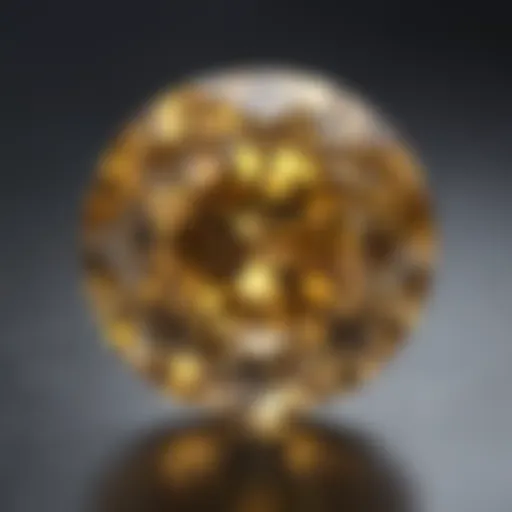
VVS gemstones offer a visual feast for observers. These stones contain minute inclusions, which are essentially tiny imperfections, but they’re so minuscule that they can only be detected under magnification, typically with a jeweler's loupe at 10x magnification or higher. The sheer polish and brilliance of VVS stones often captivate. A VVS diamond, for instance, glimmers with an almost ethereal light, as the inclusions do not compromise its overall clarity.
- Inclusion Visibility: Under intense scrutiny, inclusions are rarely noticed; most will miss them entirely unless examining closely.
- Overall Clarity: These stones reflect light beautifully, resulting in remarkable sparkle.
- Color Consistency: Often, VVS gemstones feature richer color saturation due to better crystal structure, combined with less light obstruction from inclusions.
This elite classification isn't merely about aesthetics; it embodies a blend of science and art. The geological journey and extensive formation processes give VVS gemstones an edge, making them a superb choice for collectors and jewelry designers alike.
Value Implications of VVS Clarity
In the realm of gemstones, clarity directly correlates with value. VVS stones are undeniably among the higher echelons of clarity grades, thereby commanding elevated prices. Potential buyers often find themselves weighing the benefits of investing in VVS gemstones. Here are a few insights on why VVS clarity is significant in terms of valuation:
- Market Demand: There’s a well-documented preference among buyers for clarity in gemstones, and VVS stones often attract those looking for longevity and quality.
- Investment Potential: For collectors, VVS stones tend to appreciate in value over time. Their rarity means they hold their worth better than their lower-grade counterparts.
- Visual Aesthetics: A stone graded VVS allows for both beauty and charisma that bypasses casual inspection; its allure doesn't fade, even in harsher lighting.
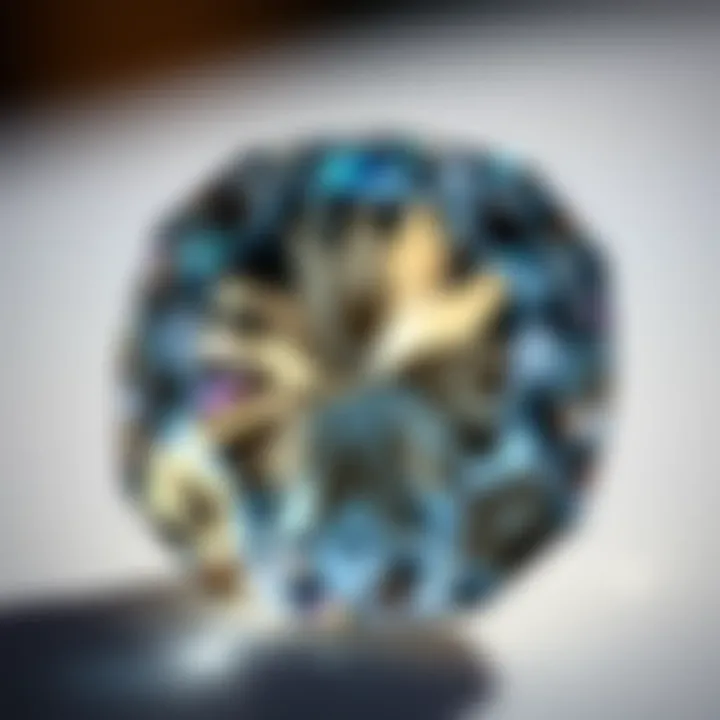
Thus, a gemstone with VVS clarity stands out not merely as a purchase but rather an investment in beauty, status, and future value.
Common Misconceptions About VVS Clarity
Despite its esteemed position in gemstone grading, VVS clarity is often misunderstood. Here are some myths debunked:
- Myth 1: VVS Stones Are Flawless
While VVS stones appear predominantly clear, they are not without their slight imperfections. Those looking for perfection often seek the higher (and rarer) grades like Flawless (F) or Internally Flawless (IF). - Myth 2: All VVS Stones Look the Same
Not all VVS gemstones are created equal; uniqueness exists in their color, cut, and style. A VVS diamond, for example, can entirely contrast in aesthetic appeal from a VVS emerald. - Myth 3: Price Guarantees Quality
Just because a stone is classified as VVS does not mean it is the best choice for every jewelry piece. Buyers must consider personal taste and design objectives beyond just clarity.
A VVS gemstone often embodies both beauty and value, carving a distinct niche in the gem market.
Understanding VVS clarity allows gemstone enthusiasts to make informed choices, ensuring that they appreciate the nuances that elevate these gemstones above the rest.
SI: Slightly Included
In the realm of gemstones, understanding the SI (Slightly Included) clarity grade is crucial. This classification offers insights into a stone's visual appeal and market positioning. While often overshadowed by higher grades like VVS, SI stones hold significant merit for both collectors and jewelry makers. Recognizing their characteristics can empower buyers to make informed choices that balance value with aesthetic appeal.
Defining SI Clarity
Slightly Included, commonly abbreviated as SI, refers to gemstones that contain inclusions that are visible under 10x magnification. While these imperfections are detectable, they typically do not detract significantly from the overall beauty of the stone when viewed with the naked eye. It’s important to note that SI-grade stones can still sparkle with vibrancy. In some cases, these inclusions can even serve to add uniqueness, like a fingerprint that distinguishes one gem from another.
Visual Characteristics of SI Grade Stones
When examining SI stones, one might find tiny flecks or even strands within the gemstone. These imperfections can be dance partners to the light, creating a dynamic display as it hits various facets. Most notably:
- Inclusions: Common inclusions in SI-grade stones might include small crystals or clouds, adding character.
- Clarity: Gaze closely, and these features become apparent. But from a typical viewing distance, many buyers find it hard to tell that anything's amiss.
That said, a quality SI stone will still exhibit a strong sparkle and brilliance, often standing up to its higher-graded counterparts if set in an appropriate piece of jewelry.
Market Perception of SI Clarity
The perception of SI clarity in the market is a nuanced topic. Many jewelry shoppers consider these gemstones to be a “sweet spot” due to their affordability, striking a balance between cost-effectiveness and visual appeal. While some may shy away from SI stones due to concerns over clarity, others appreciate the value often intrinsic to this grade.
"Beauty is in the eye of the beholder." For jewelry designers, SI stones often provide flexibility in designs. They can incorporate these gemstones into intricate settings that draw attention away from inclusions, using shapes or additional elements to create an eye-catching focal point.
In personal collections or custom pieces, SI stones may be seen as entry-level gemstones for many buyers. Their lower prices allow enthusiasts to explore different styles and settings without breaking the bank. Furthermore, as consumers become more educated about the characteristics of different clarity grades, demand for SI stones remains steady.
By understanding the blend of visual characteristics and market perceptions, collectors and designers alike can appreciate the role that SI stones play in the larger tapestry of gemstone options.
Comparative Analysis of VVS and SI Grades
Understanding the nuances between VVS and SI clarity grades is crucial for gemstone enthusiasts and collectors. These distinctions not only influence the aesthetic appeal of the gemstones but also have a substantial impact on their market value and usability in design. By looking closely at each grade, one can appreciate the subtleties that can make a significant difference in quality and pricing—making informed choices all the more vital.
Visual Differences Between VVS and SI
Visually, VVS and SI gemstones present a dramatic variation. VVS stones, or Very Very Slightly Included gems, are known for their near-perfect clarity with minute inclusions that are hardly noticeable even under magnification. On the flip side, SI stones, or Slightly Included, show inclusions that can often be detected without any aid, even at a casual glance.
To outline these differences:
- VVS Characteristics:
- SI Characteristics:
- Exquisite clarity and brilliance.
- Inclusions, if present, are primarily microscopic.
- Best suited for engagement rings and high-quality jewelry.
- Includes visible imperfections to the naked eye.
- Offers a slightly more rugged beauty.
- Often found in fashion jewelry and gifts.
Therefore, before making a purchase, consider the intended use. If you want something striking for special occasions, VVS might be the way to go. However, for everyday wear, an SI could provide beauty at a lower price.
Price Variation by Clarity Grade
The market pricing between VVS and SI gemstones can also tell a compelling story. On average, VVS stones command a premium price. This is due to their superior clarity, making them rarer and, consequently, more sought after. In contrast, SI stones typically have a more accessible price point, appealing to a wider audience.
An outline of pricing dynamics is as follows:
- VVS Stones:
- SI Stones:
- Pricing can range significantly, often exceeding thousands of dollars per carat.
- The rarity directly influences the price.
- Generally more affordable, with prices often starting from hundreds to maybe low thousands per carat.
- Greater availability leads to lower cost.
Ultimately, the choice between investing in a VVS or SI stone depends on the buyer's budget and purpose for the gemstone. Recognizing how clarity impacts pricing enables collectors and buyers alike to navigate the market more effectively.
Usage in Jewelry and Design
When it comes to jewelry design, the clarity of gemstones plays a substantial role in their application. VVS stones are often the go-to choice for high-end pieces. Their sparkles tend to be unparalleled, enhancing the overall beauty and attracting light like a moth to a flame. These stones shine brightly in pieces like engagement rings, statement necklaces, or fine-accessory items. The visual appeal is undeniably pronounced.
Conversely, SI stones hold their ground quite well in more casual or fashion-forward designs. They provide unique character due to their visible inclusions, which some designers might even emphasize to create individuality in their designs. This embraces a trend toward showcasing organic imperfections, inviting a narrative of beauty in authenticity.
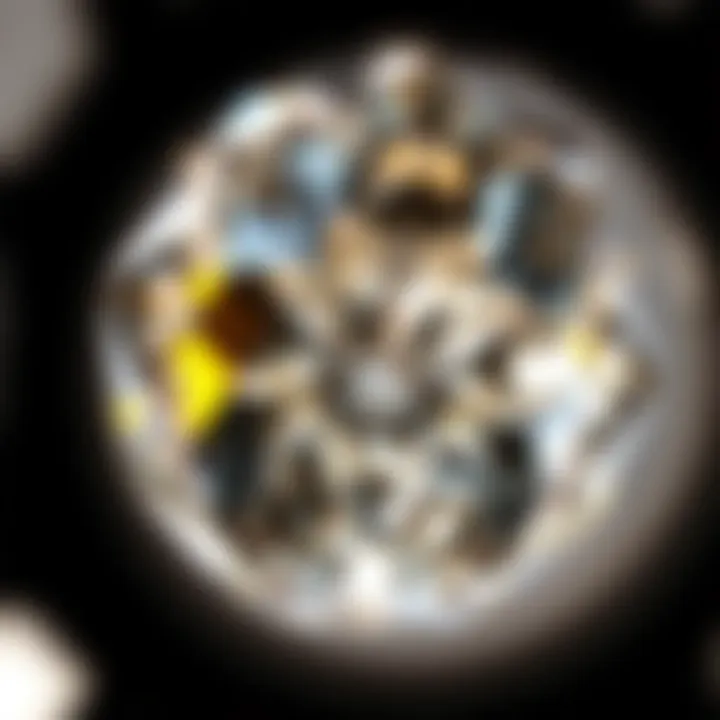
In short, understanding how VVS and SI grades are utilized in jewelry allows collectors and designers to make thoughtful choices. Appreciating the beauty in each grade expands the options available in the market, catering to varied tastes and price points.
"Through the lens of clarity grades, we find not only gemstones’ visual poetry but also insight into their value and character."
For further exploration of gemstone clarity, consider resources such as Gemological Institute of America (GIA) for certification insights and Wikipedia for a comprehensive understanding of various gemstone types.
Factors Influencing Clarity in Gemstones
Understanding clarity in gemstones is not merely a matter of inspecting the surface shine or color. There are deeper elements at play that affect how clear or included a gemstone appears to the naked eye. Recognizing these influences is essential for gemstone enthusiasts, collectors, and jewelry designers alike.
Geological Formation Processes
The geological conditions in which a gemstone is formed have a significant impact on its clarity. Each gemstone carries the echoes of its creation. For instance, diamonds form under immense pressure and temperature deep within the Earth’s mantle, where their crystalline structure takes shape over millions of years. However, during their journey to the surface, minerals and inclusions can be trapped within the stone. These trapped elements often lead to various clarity grades.
Other gemstones, like sapphires, can form in different environments, such as metamorphic rocks, where the level of heat and pressure may lead to fewer or more inclusions. An amateur collector might easily overlook the role these geological processes play. It’s also worth noting that gemstones that undergo volcanic activity may possess a higher clarity compared to those formed through sedimentary processes. This phenomenon is crucial when evaluating the quality and potential value of stones.
Impact of Treatment on Clarity
In the modern gemstone market, treatments like laser drilling or high-heat processes can alter a stone's clarity significantly. Sometimes, what appears to be a flawless gem can actually be one that has undergone enhancements. This is not inherently negative—many treatments are legitimate and can help improve the stone's visual appeal, but they can also raise ethical considerations. The end buyer should be transparent about the processes a gemstone has encountered.
- Common treatments include:
- Laser drilling: This technique aims to remove inclusions, improving clarity.
- High-temperature annealing: Common for rubies and sapphires, this improves color and overall appearance.
- Oiling: Often applied to emeralds, this fills surface-reaching fissures.
By understanding these processes, potential buyers can make more informed decisions. Regular certification from a reputable source can provide clarity on whether a stone has been treated and should be taken into account when assessing value.
In summary, geological formation processes and treatments play a pivotal role in the clarity of gemstones, influencing their overall beauty and market value.
A gemstone's journey from earth to adornment is intricate and filled with variables that directly impact its clarity, making it more than a simple visual experience.
Evaluating Gemstones: Practical Tips
In the world of gemstones, clarity serves as an essential bellwether for quality, value, and overall appeal. With a myriad of precious stones on the market, even seasoned gem enthusiasts can find themselves wondering how to differentiate between a dazzling VVS and a modest SI. This section aims to equip you with practical strategies to properly evaluate gemstones, ensuring that you make choices grounded in knowledge rather than impulse or aesthetic allure alone.
Using Loupe for Inspection
Using a loupe is akin to donning a magnifying glass; it brings the often-overlooked details into sharp focus. If you're serious about gemstone evaluation, investing in a good quality loupe is a must. Usually, these devices come equipped with 10x magnification—an optimal choice for observing inclusions that may not be visible to the naked eye.
When utilizing a loupe, remember a few key steps:
- Find a Controlled Environment: Ensure your evaluation area is well-lit. Natural light works wonders, but a jeweler’s lamp can also help reveal the finer details.
- Proper Technique Matters: Hold the loupe close to your eye and bring the stone to your line of sight. This allows you to examine the gemstone comfortably.
- Look for Inclusions and Blemishes: While VVS stones will display minimal inclusions, SI stones may show more visible irregularities.
The process is not merely about detection; it’s also about appreciation. Observing the unique characteristics of each gem—be it a small crystal inclusion or a tiny feather—adds an emotional layer to your understanding.
Professional Certification and Reports
When it comes to buying gemstones, a professional certification can be your safety net, particularly for high-value investments. Reputable gemological laboratories like the Gemological Institute of America (GIA) or the American Gem Society (AGS) provide detailed reports that outline a gemstone's characteristics, including its clarity grade.
When evaluating these reports, here are several factors to consider:
- Clarity Grade: The document should explicitly state the clarity grading, giving you a clearer picture of what you are purchasing.
- Color and Cut Specifications: Not only does a gem’s clarity affect its value, but these aspects also play significant roles. A great clarity grade in a poorly cut stone can result in a lackluster appearance.
- Treatment Disclosure: Some stones undergo processes to enhance clarity. Knowing if a gemstone has been treated can affect its long-term value and your decision.
Remember, while personal judgment is valuable, a certified report is your best friend when it comes to making an informed decision.
"A gemstone’s beauty is timeless, but understanding its essence comes from careful evaluation."
Equipping yourself with these practical tips can enhance your capability to select gemstones wisely, giving you more than just aesthetic satisfaction but also confidence in your investment. Armed with a loupe and professional reports in hand, you can confidently navigate the intricate world of gemstones, ensuring your collection stands the test of time.
The End: Making Informed Choices
Choosing the right gemstone is no small feat, and understanding clarity is a significant piece of the puzzle. When it comes to clarity, grasping the nuances between VVS and SI grades can make all the difference in your selection process. For gemstone enthusiasts, collectors, and designers alike, clarity not only influences visual appeal but also affects value and market perception. Hence, knowing the ins and outs of clarity helps you to make better choices that align with your aesthetic preferences and financial considerations.
The Role of Clarity in Gem Selection
Clarity plays a crucial role in how a gemstone is perceived and cherished. Stones classified as VVS often shine with unparalleled brilliance, providing light performance that many find irresistible. On the other hand, SI stones can offer their charm at a more accessible price point, appealing to a broader audience without breaking the bank.
- Distinct Visual Appeal: VVS stones typically exhibit fewer inclusions, leading to a cleaner look. This characteristic can enhance the stone's overall elegance, making it particularly appealing for high-end jewelry designs.
- Accessibility: SI stones present an opportunity for individuals seeking beautiful gemstones without the premium price tag usually associated with higher clarity grades. They can boast captivating colors and forms, opening avenues for creativity in design.
- Value Reflection: Understanding how clarity affects value is key. While VVS stones signify luxury, SI stones are considered great investments for various applications, especially for those starting in collecting.
In essence, clarity informs not just the quality of the stone but also defines its worth in any context, be it personal or commercial.
Future Trends in Clarity Evaluation
As we look forward, clarity evaluation is expected to undergo transformative changes spurred by advancements in technology and shifts in consumer preferences. Some trends to keep an eye on include:
- Technological Advancements: Low-cost imaging technologies are emerging, enabling more informed assessments of clarity. Techniques like 3D imaging may simplify the process of identifying inclusions, helping consumers make educated decisions.
- Increased Awareness: Consumers are becoming more knowledgeable and discerning. This trend will lead brands and retailers to provide transparent information on clarity grades as part of their marketing strategies. Enhanced clarity details may become a standard expectation.
- Sustainability Focus: With an increasing emphasis on ethical sourcing and sustainability, clarity evaluation may also shift to incorporate treatment histories and environmental impacts into assessments.
"The landscape of gemstone clarity is likely to evolve, shifting focus from mere grading to a more holistic understanding of value, impact, and authenticity."
These trends not only highlight the dynamic nature of the gemstone market but underscore the importance of continued education on clarity, ensuring that all stakeholders are better equipped to make informed choices in their purchases.
As the world of gemstones continues to expand, basing your selections on a solid understanding of clarity will always serve as a compass, guiding you through an often complex but deeply rewarding journey.